Poaceae
Bermuda grass: Ground Cover Plant
Cynodon dactylon
Bermuda grass is a low-maintenance plant, ideal for sunny outdoor areas. It requires regular watering but is quite drought-tolerant once established. It can be mowed short and responds well to fertilization to maintain its density.
Every 10 days
Direct sun
8° - 45°C
30% - 80%
Categories
What is Bermuda grass?
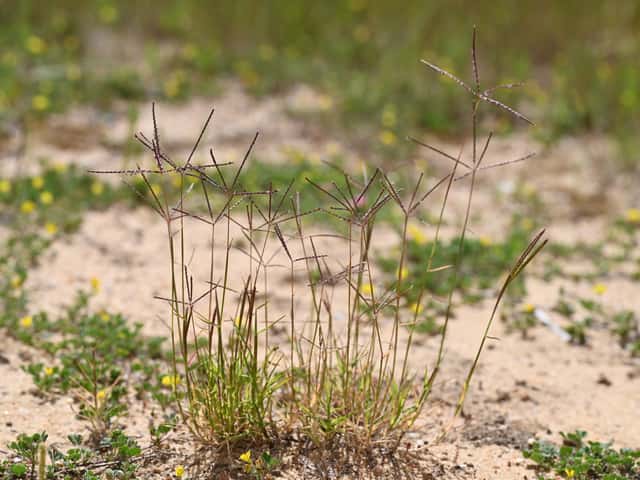
Bermuda grass (Cynodon dactylon) is a easy-care plant from the Poaceae family. Cynodon dactylon, commonly known as Bermuda grass, couch grass, or devil's grass, is a perennial grass species widely distributed across tropical and subtropical regions. It is known for its ability to form a dense and resilient carpet, frequently used in lawns, sports fields, and as forage. It poss...
Bermuda grass grows up to 30cm, with spread of 200cm, watering every 10 days, 8°C – 45°C, 30–80% humidity. It is not suitable for indoor environments and safe for pets.
Unlike many tropical plants, Bermuda grass tolerates watering mistakes. Best for beginners. Unlike many popular species, Bermuda grass is safe to keep around pets.
How to Care for Bermuda grass?
TLDR: Bermuda grass needs Direct sun, watering every 10 days, and temperatures between 8-45°C with 30-80% humidity.
How Often Should You Water Bermuda grass?
Water deeply when the top layer of soil begins to dry out. It is very drought-tolerant once established, but regular watering promotes a denser and greener carpet. Avoid prolonged waterlogging, as it can encourage fungal diseases.
How Much Light Does Bermuda grass Need?
It prefers full sun for optimal development but tolerates partial shade. In low-light areas, it may become thinner and less resilient.
What Is the Best Soil for Bermuda grass?
It adapts to various soil types but prefers well-drained, slightly acidic to neutral soils. Aeration and good drainage are important to prevent root rot.
Care Schedule
Fertilize
Every 30 days
What Is Bermuda grass and Where Does It Come From?
Cynodon dactylon, commonly known as Bermuda grass, couch grass, or devil's grass, is a perennial grass species widely distributed across tropical and subtropical regions. It is known for its ability to form a dense and resilient carpet, frequently used in lawns, sports fields, and as forage. It possesses both underground rhizomes and surface stolons, which provide great vigor and recovery capacity.
How Big Does Bermuda grass Grow?
TLDR: Bermuda grass can reach up to 30cm tall with Fast growth rate.
Max height
30cm
Spread
2.0m
Growth rate
Fast
Foliage
Semi-evergreen
Plant Uses
Medicinal
Medicinal properties
Ground Cover
Soil coverage
Is your plant showing symptoms?
Click on the symptom to discover possible causes:
What Diseases Commonly Affect Bermuda grass?
TLDR: Bermuda grass is susceptible to 10 known diseases. Monitor regularly for early detection.
Rust
Rust is a common fungal disease caused by fungi in the order Pucciniales that affects a wide variety of plants. The disease gets its name from the characteristic orange, yellow, or reddish-brown pustules that appear on leaves, resembling metal rust. This obligate fungal parasite requires living plants to survive and can cause significant economic losses in agricultural crops.
Leaf Spot
Leaf spot is a common fungal disease caused by various pathogens including Alternaria, Ascochyta, Colletotrichum, Septoria, and Venturia. It primarily affects leaves, causing discolored spots that can lead to premature leaf drop if left untreated.
Pythium Root Rot
Pythium root rot is a serious fungal disease caused by various Pythium species including P. aphanidermatum, P. ultimum, and P. irregulare. These water molds are present in practically all cultivated soils and attack plant roots under wet conditions, causing rapid wet rot that can extend into the stem. The disease is favored by poor drainage, overwatering, and specific temperatures depending on the species.
Root-Knot Nematodes
Root-knot nematodes (Meloidogyne species) are microscopic roundworms that parasitize plant roots, causing characteristic galls or knots. These soil-borne pests are among the most economically damaging plant pathogens worldwide, affecting a wide range of ornamental and edible plants. The nematodes inject enzymes into root cells, causing abnormal swelling and disrupting water and nutrient uptake.
Meaning & Symbolism
Sacred to the Hindu deity Ganesha; used in Nepalese wedding ceremonies; symbol of endurance and resilience in Indian culture.
Compare with similar plants
| Attribute | Difficulty | Light | Watering | Pet Safe |
|---|---|---|---|---|
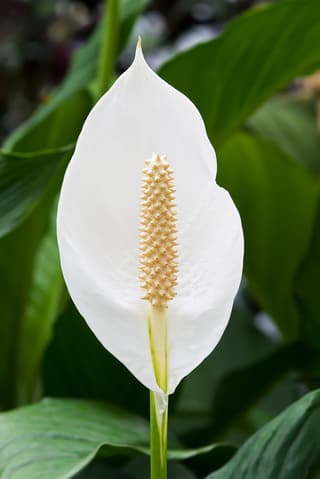
| Peace Lily | Easy | Low light | 4d | ⚠️ |
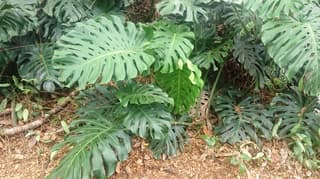
| Swiss Cheese Plant | Easy | Partial shade | 10d | ⚠️ |
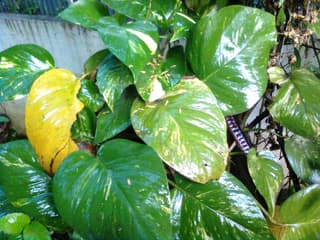
| Golden Pothos | Easy | Low light | 8d | ⚠️ |
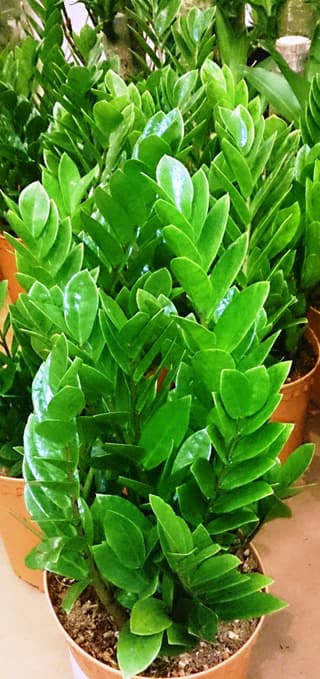
| ZZ Plant | Easy | Low light | 18d | ⚠️ |