Verticillium Wilt: Fungal Disease | Treatment Guide
Verticillium wilt is a soil-borne fungal disease caused primarily by the fungi Verticillium dahliae and V. albo-atrum. These pathogens infect plant roots and grow within the vascular tissues, blocking water and nutrient transport, resulting in wilting and eventual plant death. The disease affects over 350 plant species including vegetables, fruits, ornamental flowers, and trees. The fungi can survive in soil for more than 10 years as resistant structures called microsclerotia.
Medium
60 days
What is Verticillium Wilt?
Verticillium Wilt is a fungal condition with high severity that affects plants. Verticillium wilt is a soil-borne fungal disease caused primarily by the fungi Verticillium dahliae and V. albo-atrum. These pathogens infect plant roots and grow within the vascular tissues, blocking water and nutrient transport, resulting in wilting and eventual plant death. The disease affects ov...
Verticillium Wilt is a fungal disease with high severity that spreads at a moderate rate. Recovery typically takes approximately 60 days with proper treatment. It affects 10 plant species in our database. This condition is contagious and can spread between plants.
Unlike bacterial infections, Verticillium Wilt spreads slowly but is harder to eradicate. Without treatment, affected leaves won't recover. Not recommended to ignore early signs. Without early intervention, recovery can take twice as long. Without isolation, nearby plants can become infected within days.
🔍 What Are the Symptoms of Verticillium Wilt?
TLDR: Verticillium Wilt presents 8 main symptoms. Early identification is crucial for effective treatment.
Main Symptoms
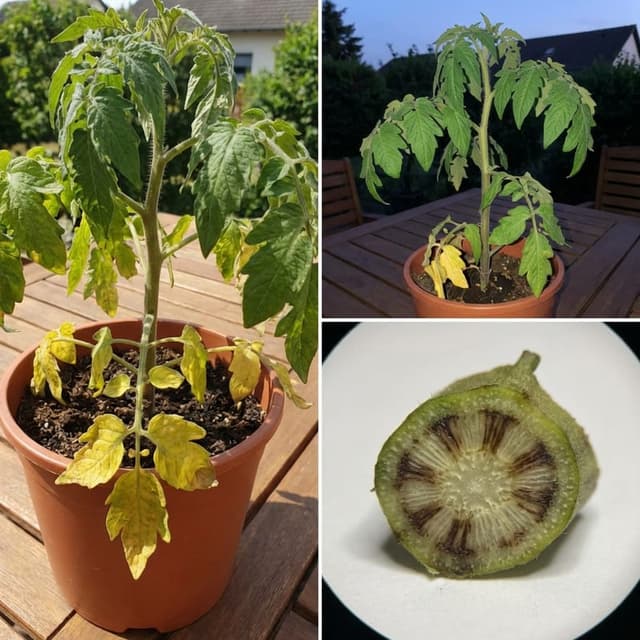
- ! Sudden wilting of leaves and stems, especially in hot weather
- ! Yellowing of leaves (chlorosis) starting from the margins
- ! Asymmetric wilting pattern - only one side of plant affected
- ! Brown or black streaks in vascular tissue visible when stem is cut
- ! Leaf necrosis and premature leaf drop
- ! Stunted growth and reduced vigor
- ! Progressive branch dieback in woody plants
- ! V-shaped yellowing pattern on leaves
Visual Signs
❓ What Causes Verticillium Wilt in Plants?
- → Infection by Verticillium dahliae or V. albo-atrum fungi present in soil
- → Pathogen entry through root wounds or natural openings
- → Contaminated soil transported by tools, boots, or water
- → Previously infected host plants in the same location
- → Soil temperatures between 70-80°F (21-27°C) favoring fungal development
- → Water stress making plants more susceptible
- → Spread through infected plant material
💊 How to Treat Verticillium Wilt?
TLDR: Treat Verticillium Wilt with 30 days of quick treatment or 60 days of organic treatment. Full recovery takes approximately 60 days.
Quick Fixes
~30 days
Quick Assessment
Determine infection severity. If more than 50% of plant is affected, consider immediate removal.
Emergency Pruning
Immediately remove all wilted and dead branches. Disinfect tools between cuts. Dispose of infected material in trash (do not compost).
Deep Watering
Provide deep irrigation to reduce water stress. Apply 2-3 inches of water slowly to penetrate entire root zone.
Foliar Fertilizer Application
Spray balanced foliar fertilizer to provide nutrients bypassing blocked vascular system.
Copper Fungicide (optional)
Apply copper-based fungicide to root zone according to label. Limited efficacy, but may slow progression.
Intensive Monitoring
Observe plant daily. If wilting continues progressing after 7 days, consider complete removal.
Materials needed:
Organic Treatment
~60 days
Diagnosis and Isolation
Identify affected plants by cutting stems to check for brown vascular streaks. Isolate infected plants to prevent spread.
Sanitary Pruning
Remove all dead and wilted branches. Disinfect pruners between each cut with 70% alcohol. Dispose of pruned material (do not compost).
Soil Improvement
Apply 2-4 inches of mature organic compost around the plant. This increases beneficial microorganisms that compete with the pathogen.
Biofungicide Application
Water with Trichoderma spp. solution in root zone weekly for 4 weeks. Use according to manufacturer instructions.
Proper Irrigation
Provide 1 inch of water per week. Avoid both water stress and waterlogging. Use drip irrigation if possible.
Mulching
Apply 3-4 inch layer of organic mulch around plant, keeping distance from stem. This regulates soil temperature and moisture.
Monitoring
Inspect plants weekly for new symptoms. If wilting progresses, consider removing plant completely.
Materials needed:
Expert Treatment
~90 days
Laboratory Diagnosis
Collect vascular tissue and soil samples for laboratory analysis confirming Verticillium dahliae or V. albo-atrum. Determine soil inoculum density.
Viability Assessment
Analyze plant value, infection degree, and recovery viability. Plants with >60% wilting rarely recover.
Surgical Pruning
Systematically remove all infected tissues. Cut 6-8 inches below visible symptoms. Disinfect tools with 10% bleach between each cut. Seal large cuts with wound paste.
Localized Soil Treatment
Apply advanced biofungicides (Trichoderma harzianum T22 or Streptomyces spp.) via soil injection or drench in root zone. Repeat biweekly.
Nutrition Program
Implement balanced fertilization based on soil analysis. Avoid excess nitrogen favoring susceptible succulent growth. Use slow-release fertilizers.
Precise Irrigation Management
Install tensiometers or soil moisture sensors. Maintain optimal moisture (not waterlogged, not dry). Use subsurface drip irrigation if possible.
Suppressive Compost Application
Incorporate high-quality organic compost rich in antagonistic microorganisms. Apply 2-4 inches superficially without disturbing roots.
Reflective Mulch
Apply light-colored organic mulch (straw, bark) to keep soil temperature low (<75°F), reducing pathogen activity.
Phenological Monitoring
Document new growth, recurring wilt, and overall vigor weekly. Use disease severity scale (0-5) to track progression.
Future Site Preparation
If plant dies, solarize soil for 6-8 weeks in summer or apply biofumigation with brassicas. Test soil before replanting.
Step by Step
- 1
Remove and destroy severely infected plants (burn or dispose, do not compost)
- 2
Prune dead or wilted branches to improve circulation and vigor
- 3
Disinfect tools between each cut with 70% alcohol or 10% bleach
- 4
Improve irrigation by providing 1 inch of water per week
- 5
Apply balanced fertilizer to strengthen the plant
- 6
Add organic compost around plant base
- 7
Apply mulch to regulate soil temperature and moisture
- 8
Solarize affected areas if possible before replanting
- 9
Plant only resistant species in the location for several years
🧪 Natural vs Chemical: Which Treatment Works for Verticillium Wilt?
🌱 Natural Solutions
- ✓ Apply rich organic compost to increase beneficial soil microorganisms
- ✓ Use biofungicides containing Trichoderma spp. that compete with Verticillium
- ✓ Water with aerated compost tea to introduce microbial antagonists
- ✓ Apply copper-based fungicides to roots in early cases (limited efficacy)
- ✓ Prune dead branches to improve overall plant vigor
- ✓ Add organic matter to soil to suppress the pathogen
- ✓ Use organic mulches to maintain consistent moisture and stable soil temperature
💉 Chemical Solutions
- ✓ No effective chemical fungicides once plant is infected
- ✓ Soil fumigants like metam sodium can be used pre-planting (professional use)
- ✓ Chemical treatments generally ineffective due to vascular nature of disease
Treatment Comparison
| Type | Estimated time | Steps | Difficulty | Best For |
|---|---|---|---|---|
| ⚡Quick | ~30 days | 6 | Advanced | Urgent cases |
| 🌿Organic | ~60 days | 7 | Advanced | Indoor plants |
| 🔬Expert | ~90 days | 10 | Advanced | Severe infections |
🛡️ How to Prevent Verticillium Wilt?
TLDR: Prevent Verticillium Wilt with 10 essential care practices. Regular monitoring is key for early detection.
- ✓ Plant resistant or immune varieties to Verticillium wilt
- ✓ Practice crop rotation for at least 4-5 years with non-susceptible plants
- ✓ Avoid planting susceptible species in areas with disease history
- ✓ Solarize soil by covering with clear plastic for 3-5 weeks in summer
- ✓ Maintain healthy plants with proper irrigation and nutrition
- ✓ Disinfect pruning tools between cuts with 70% alcohol or bleach solution
- ✓ Remove and destroy severely infected plants with as much root system as possible
- ✓ Control weeds that may serve as asymptomatic hosts
- ✓ Avoid spreading contaminated soil to other garden areas
- ✓ Improve soil drainage to reduce root stress
🔗Related Diseases
Rust
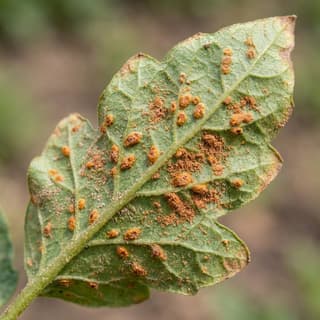
Rust fungi (Pucciniales) are fungal diseases that form rust-colored, usually orange to brown pustules with powdery spore dust on leaves, stems, or fruits. Typical symptoms include small spots that develop into cushions or rings; leaves turn yellow, curl, and drop prematurely. The fungi spread primarily in damp weather and dense foliage. Many ornamental and crop plants are affected, frequently including roses, mallows (hollyhocks), pears (pear rust), and currants. Some rust fungi require two host plants for their life cycle, such as pear and certain juniper species.
Cherry Witches' Broom
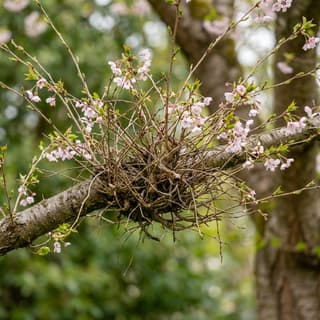
Taphrina wiesneri is a fungal disease affecting cherry trees (Prunus species, including sweet, sour, and ornamental varieties). The fungus overwinters in buds and bark, infecting young leaves and shoots during cool, wet spring weather. Infected leaves become thickened, puckered, and curled, often displaying reddish or yellow blotches and a fine whitish bloom on the surface. Severely affected leaves may drop prematurely. Small twigs can develop 'witches' brooms,' which are dense clusters of weak, distorted shoots.
Powdery Mildew
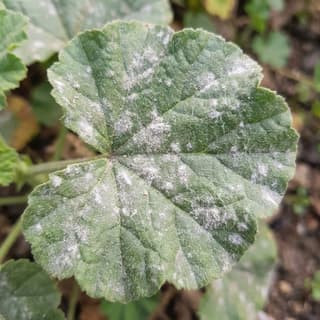
MediumPowdery mildew is a common fungal disease caused by various fungi species including Erysiphe, Podosphaera, Oïdium, and Leveillula. It affects over 10,000 plant species worldwide. The disease thrives in warm, dry climates with high humidity and appears as a distinctive white powdery coating on plant surfaces.

Root Rot
HighRoot rot is a serious fungal disease that affects the root system of plants, causing them to decay and die. It is primarily caused by overwatering, poor drainage, or soil-borne fungi such as Pythium, Phytophthora, Rhizoctonia, and Fusarium. The disease thrives in waterlogged conditions where roots are deprived of oxygen, making them susceptible to fungal infection.