
Polyanthus Primrose with Damping Off: Prevention & Cure
Primula x polyantha
Damping Off on Polyanthus Primrose: What to Know?
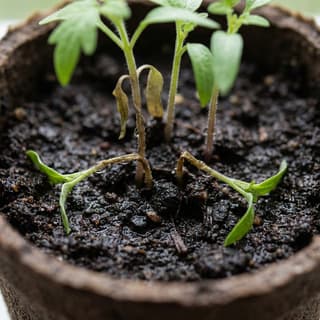
Damping Off on Polyanthus Primrose (Primula x polyantha) is a fungal condition with high severity. Polyanthus Primrose has moderate susceptibility to this disease. Damping off is a soil-borne fungal disease that affects seeds and young seedlings, causing rotting of stem and root tissues at and below the soil line. It is caused by several fungi including Pythium,...
Polyanthus Primrose is a easy-care plant. Recovery from Damping Off takes approximately 21 days with proper treatment. As an indoor plant, ensure good ventilation to aid recovery.
Unlike bacterial infections, Damping Off on Polyanthus Primrose can be managed with organic fungicides. Without precautions, chemical treatments for Damping Off can be harmful to pets. Use organic methods for Polyanthus Primrose in pet-friendly homes.
🔍 What Does Damping Off Look Like on Polyanthus Primrose?
- • Seedlings collapse and fall over at stem base
- • Water-soaked, thin, thread-like stems
- • White cobweb-like fungal growth on soil surface
- • Gray to brown stem discoloration
- • Soft, mushy stem tissue
- • Rotted roots with grayish-brown sunken spots
- • Seeds fail to germinate or emerge from soil
- • Wilting of young leaves
❓ What Causes Damping Off on Polyanthus Primrose?
- → Soil-borne fungi: Pythium, Rhizoctonia, Fusarium, Phytophthora
- → Cold, wet soil temperatures (below 68°F/20°C)
- → Poor soil drainage
- → High humidity and poor air circulation
- → Planting seeds too deeply or too densely
- → Overwatering
- → Reusing contaminated soil or pots
- → Using untreated rainwater
- → Low light conditions
- → Over-fertilization
💊 How to Treat Damping Off on Polyanthus Primrose?
TLDR: Treat Damping Off on Polyanthus Primrose with quick treatment (~11 days) or organic (~21 days). Polyanthus Primrose has moderate susceptibility to this disease.
Quick Fixes
Immediate Discard
Remove and discard all infected seedlings immediately. Do not attempt to save - no cure available.
Dry Environment
Stop watering. Turn on fan for maximum air circulation. Remove tray covers. Let soil surface dry completely.
Increase Temperature and Light
Raise room temperature to 70-75°F (21-24°C). Provide maximum lighting (12-16h artificial light if needed).
Cinnamon Application
Generously sprinkle cinnamon powder on soil surface of all remaining seedlings as emergency preventive measure.
Isolate Healthy Plants
Separate healthy seedlings from affected areas. Use new soil and sterilized pots for transplanting if seedlings are large enough.
Organic Treatment
Immediate Removal
Remove all infected seedlings immediately and discard them away from healthy plants. There is no cure for infected plants.
Improve Conditions
Reduce humidity by increasing air circulation with a fan. Allow soil surface to dry completely between waterings. Increase temperature and lighting.
Cinnamon Treatment
Sprinkle cinnamon powder on soil surface around healthy seedlings. Cinnamon has natural antifungal properties.
Biological Fungicide
Apply Mycostop or Actinovate to remaining seedlings following manufacturer instructions for preventive protection.
Future Prevention
Always use new sterilized potting mix, sterilize pots with 10% bleach, sow thinly, water in morning, and maintain good air circulation.
🛡️ How to Prevent Damping Off on Polyanthus Primrose?
TLDR: Prevent Damping Off on Polyanthus Primrose with 13 essential preventive care practices.
- ✓ Use sterilized commercial potting mix, never reuse soil
- ✓ Sterilize used pots and trays with 10% bleach solution for 30 minutes
- ✓ Sow seeds thinly to prevent overcrowding
- ✓ Maintain soil temperature between 70-75°F (21-24°C) using heating mats
- ✓ Provide 12-16 hours of light daily
- ✓ Use pots with drainage holes
- ✓ Water only in the morning so soil dries by evening
- ✓ Avoid overwatering - keep soil moist but not waterlogged
- ✓ Use warm water (68-77°F/20-25°C) for watering
- ✓ Ensure good air circulation with fans or by cracking lids
- ✓ Do not plant seeds too deeply
- ✓ Wait until true leaves develop before fertilizing
- ✓ Keep hoses off the floor to prevent contamination
🌱 How to Care for Polyanthus Primrose to Prevent Damping Off?
💧 How to Water
Water every 4–6 days, keeping the soil evenly moist but well-drained. Always check the top inch of soil — water when it feels slightly dry. Avoid overhead watering to prevent crown rot; water at the base instead.
☀️ Lighting
Primula x polyantha prefers bright indirect light or partial shade (2–6 hours of direct sun). Indoors, place near an east-facing window. Protect from harsh afternoon sun, which causes wilting and leaf scorch.
🪴 Ideal Soil
Grow in rich, moisture-retentive, well-draining soil with high organic matter. A mix of loamy garden soil with compost and perlite works well. Maintain a slightly acidic pH of 6.0–7.0. Avoid clay-heavy soils that become waterlogged.
Frequently asked questions
Can Damping Off kill my Polyanthus Primrose?
How long does Polyanthus Primrose take to recover from Damping Off?
Is Damping Off contagious to other plants near Polyanthus Primrose?
Sources & References
- Damping off: Causes, Symptoms & Control | RHS Advice
- Damping Off Symptoms, Treatment and Prevention | Planet Natural
- How to prevent seedling damping off | UMN Extension
- Primula x polyantha: How To Grow and Care For Primrose Flower
- Primula (polyanthus type) - Missouri Botanical Garden
- Primula x polyantha - NC State Extension
- Problems With Primroses - Gardening Know How