
Crimson Cattleya with Leaf Spots: Causes and Solutions
Cattleya labiata
Is your Crimson Cattleya showing leaf spots? Discover 9 possible causes and how to treat them.
🔍 Possible Causes (9)
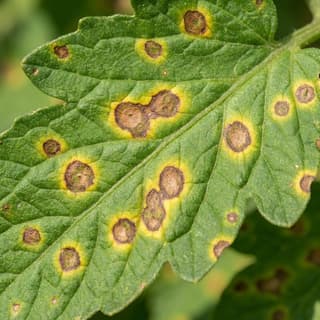
Leaf Spot
Leaf spot is a common fungal disease caused by various pathogens including Alternaria, Ascochyta, Colletotrichum, Septoria, and Venturia. It primarily affects leaves, causing discolored spots that can lead to premature leaf drop if left untreated.
✓ Related symptoms:
- • Circular brown, gray, black, or yellow spots on leaves
- • Spots with concentric rings or dark margins
- • Yellow halo surrounding spots
⚡ Quick Fixes:
Remove all visibly infected leaves
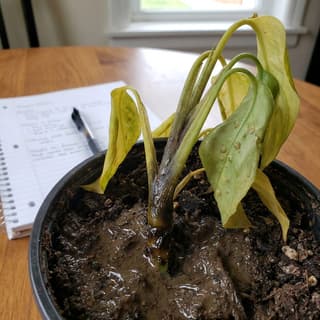
Overwatering
Overwatering occurs when plants receive too much water, depriving roots of oxygen and causing root rot. This environmental stress is one of the most common causes of houseplant death, as waterlogged soil prevents roots from breathing and functioning properly.
✓ Related symptoms:
- • Brown spots or edges with yellow halos on leaves (bacterial infection)
⚡ Quick Fixes:
Step 1
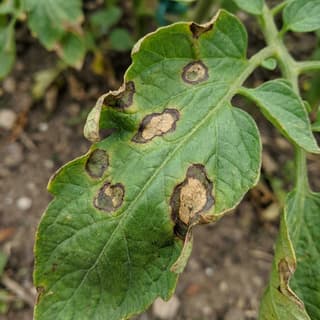
Anthracnose
Anthracnose is a fungal disease caused by fungi in the genus Colletotrichum that affects many plants, including vegetables, fruits, and trees. The disease thrives in cool, wet conditions, causing dark, sunken lesions on leaves, stems, flowers, and fruits.
✓ Related symptoms:
- • Small irregular yellow or brown spots on leaves
- • Dark sunken lesions on leaves, stems, flowers and fruits
- • Water-soaked lesions that darken as they age
⚡ Quick Fixes:
Remove and discard all visibly infected parts
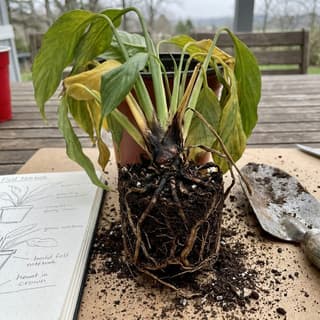
Phytophthora Root Rot
Disease caused by fungus-like organisms (oomycetes) that live in soil and can survive for years. It affects roots, stem, and crown of plants, being especially severe in waterlogged or poorly drained soils. It is the second most common cause of root rot in trees and shrubs.
✓ Related symptoms:
- • Water-soaked spots turning brown on stems
⚡ Quick Fixes:
Expose plant base by removing soil to main roots
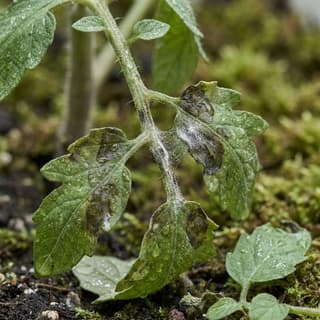
Phytophthora Blight
Devastating fungal disease caused by Phytophthora species (primarily P. capsici and P. infestans), famously responsible for the Irish Potato Famine in the 1840s. Affects all plant parts including roots, stems, leaves, and fruits in warm, wet conditions. The pathogen is technically an oomycete (water mold) that thrives in saturated soils and can survive in soil for 5+ years.
✓ Related symptoms:
- • Water-soaked lesions on leaves with vague borders and white fluffy fungal growth
- • Elongated brown lesions on stems that encircle the stem
- • Bluish lesions on tubers
⚡ Quick Fixes:
Immediately apply systemic fungicide (mefenoxam) as soil drench
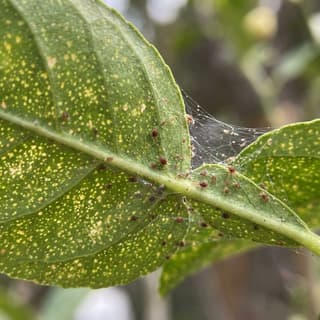
Spider Mites
Spider mites are tiny arachnids (less than 1/20 inch long) related to spiders and ticks that feed on plant sap. They thrive in hot, dry conditions and can cause significant damage to ornamental and vegetable plants. During severe infestations, crop losses can reach 14% or higher as these pests disrupt vital plant processes including photosynthesis, carbon dioxide absorption, and transpiration.
✓ Related symptoms:
- • Pale discoloration spots on leaves
⚡ Quick Fixes:
Step 1
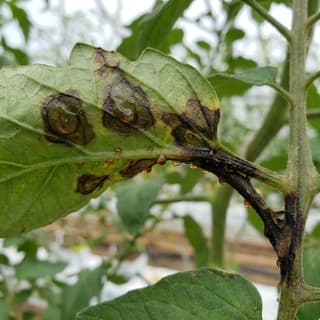
Bacterial Blight
Bacterial blight is a serious plant disease caused by pathogenic bacteria that enters plants through wounds or natural openings. It spreads rapidly in warm, wet conditions and can cause significant damage to leaves, stems, and flowers. The bacteria are transmitted by water splash, contaminated tools, and insects.
✓ Related symptoms:
- • Small water-soaked spots on upper leaf surfaces
- • Spots enlarge and turn brown to black
- • Yellow halos surrounding lesions
⚡ Quick Fixes:
Step 1
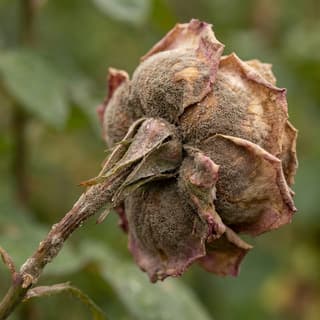
Gray Mold (Botrytis Blight)
Gray mold, caused by the fungus Botrytis cinerea, is one of the most common fungal diseases in plants. It affects over 200 plant species, including ornamentals, vegetables, fruits, and houseplants. The disease thrives in cool, humid conditions with poor air circulation, causing grayish spots and soft rot on infected tissues.
✓ Related symptoms:
- • Grayish colored soft, mushy spots on leaves, stems, and flowers
- • Brown to gray circular spots on leaves and petals
- • Water-soaked lesions that expand rapidly
⚡ Quick Fixes:
Remove and dispose of all visibly infected parts
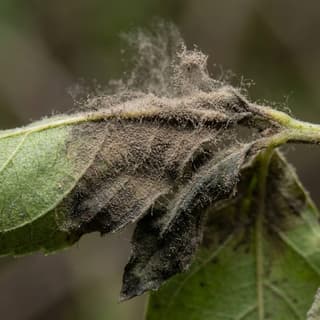
Gray Mold (Botrytis Blight)
Gray mold, caused by the fungus Botrytis cinerea, is a widespread necrotrophic pathogen affecting over 1,400 plant species. It thrives in cool, humid conditions and attacks weakened or aging plant tissues, causing soft rot and characteristic gray fuzzy growth.
✓ Related symptoms:
- • Soft, water-soaked brown lesions that rapidly expand
- • Ghost spots on fruits - small whitish rings from aborted infections
⚡ Quick Fixes:
Step 1