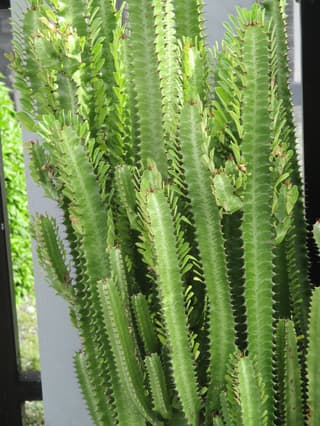
African Milk Tree with Yellow Leaves: Causes & Solutions
Euphorbia trigona
African Milk Tree is a plant that needs indirect light and infrequent watering. When showing yellow leaves, it may indicate issues related to its environment or care.
Is your African Milk Tree showing yellow leaves? Discover 53 possible causes and how to treat them.
🔍 Possible Causes (53)
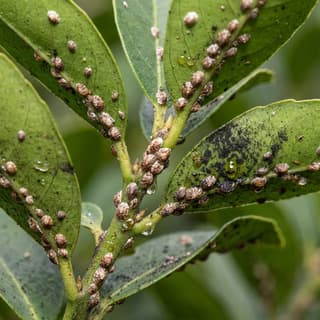
Scale Insects
Scale insects are small sap-sucking pests that appear as brown, shell-like bumps on plant stems and leaves. There are over 25 species, divided into armored (hard) and unarmored (soft) scales. They feed by piercing plant tissue and extracting sap, which weakens the plant and can lead to yellowing, stunted growth, and even death if left untreated. They also excrete honeydew, which attracts ants and promotes sooty mold growth.
✓ Related symptoms:
- • Yellowing or chlorotic (pale) leaves
⚡ Quick Fixes:
Step 1
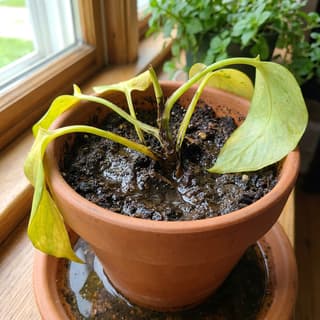
Overwatering
Overwatering occurs when plants receive too much water, depriving roots of oxygen and causing root rot. This environmental stress is one of the most common causes of houseplant death, as waterlogged soil prevents roots from breathing and functioning properly.
✓ Related symptoms:
- • Yellow or brown limp, droopy leaves that feel soft and mushy
- • Dropping leaves (both old and new) that may be green, brown, or yellow
- • Brown spots or edges with yellow halos on leaves (bacterial infection)
⚡ Quick Fixes:
Step 1
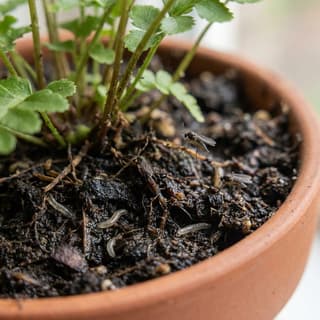
Fungus Gnats
Fungus gnats are small, gray-to-black mosquito-like insects (1/8 to 1/10 inches long) commonly found in indoor plants. Adult gnats are mostly a nuisance, but their larvae feed on plant roots and organic matter in soil, potentially causing serious damage to young or vulnerable plants. The larvae are translucent white with distinctive black heads and can leave slime trails on the soil surface in heavy infestations.
✓ Related symptoms:
- • Yellowing leaves without obvious cause
⚡ Quick Fixes:
Step 1

Aphids
Aphids are small, soft-bodied, pear-shaped insects (1/16 to 1/8 inch long) that feed by sucking nutrient-rich sap from plants. They reproduce rapidly and can quickly weaken plants, causing distorted growth and transmitting plant viruses. Aphids come in various colors including green, black, red, yellow, brown, and gray. They secrete honeydew, a sticky substance that attracts ants and encourages sooty mold growth.
✓ Related symptoms:
- • Clusters of soft-bodied insects in various colors (green, black, red, yellow)
- • Curled, distorted, or yellowing leaves
⚡ Quick Fixes:
Step 1
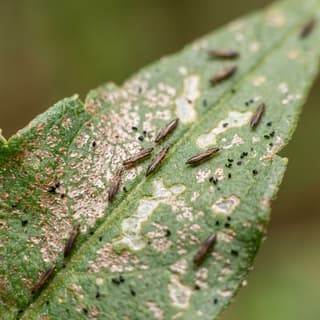
Thrips
Thrips are tiny cigar-shaped insects (1/25-inch long) that damage plants by sucking plant juices and scraping at fruits, flowers, and leaves. With over 6,000 species and rapid reproduction (lifecycle as short as 14 days), they can quickly infest plants and transmit viruses like tomato spotted wilt virus.
✓ Related symptoms:
- • Yellowing and eventual death of affected leaves
⚡ Quick Fixes:
Step 1

Root-Bound
Root-bound, also called pot-bound, is a common environmental condition that occurs when a plant's roots have outgrown their container. The roots become so densely packed that they circle around the root ball and cannot expand properly. This restricts the plant's ability to absorb water and nutrients, leading to stunted growth and declining health. Unlike diseases, being root-bound is not contagious and is entirely preventable through proper container management and regular repotting.
✓ Related symptoms:
- • Yellowing or dropping of lower leaves
⚡ Quick Fixes:
Quick assessment
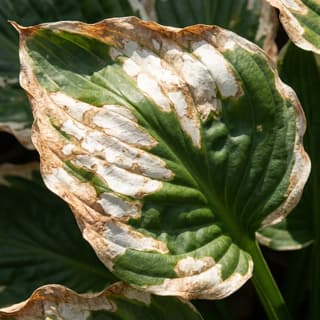
Sunburn (Sun Scorch)
Sunburn or sun scorch is an environmental condition that occurs when plants are exposed to intense, direct sunlight beyond their tolerance level. This causes the breakdown of chlorophyll in the leaves, resulting in bleached, dried, and damaged foliage. The damage can happen rapidly, sometimes within just a few hours of exposure.
✓ Related symptoms:
- • Affected areas turn yellow, then brown, and become brittle
⚡ Quick Fixes:
Step 1
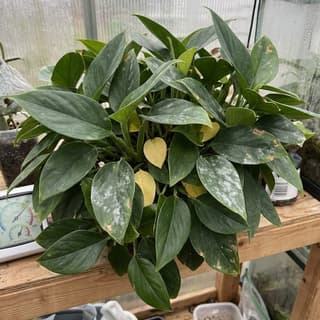
Poor Air Circulation
Poor air circulation is an environmental stress condition that occurs when plants lack adequate airflow around their foliage and stems. Stagnant air creates a microenvironment that promotes moisture buildup, depletes available CO2, and weakens plant defenses against fungal diseases and pests. This is especially common with densely packed indoor plants or plants placed in corners with limited ventilation.
✓ Related symptoms:
- • Yellowing or curling leaves
⚡ Quick Fixes:
Install a fan immediately
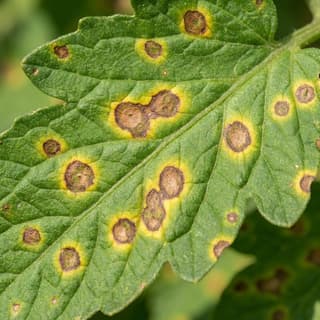
Leaf Spot
Leaf spot is a common fungal disease caused by various pathogens including Alternaria, Ascochyta, Colletotrichum, Septoria, and Venturia. It primarily affects leaves, causing discolored spots that can lead to premature leaf drop if left untreated.
✓ Related symptoms:
- • Circular brown, gray, black, or yellow spots on leaves
- • Yellow halo surrounding spots
⚡ Quick Fixes:
Remove all visibly infected leaves
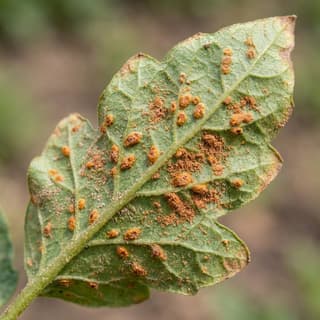
Rust
Rust is a common fungal disease caused by fungi in the order Pucciniales that affects a wide variety of plants. The disease gets its name from the characteristic orange, yellow, or reddish-brown pustules that appear on leaves, resembling metal rust. This obligate fungal parasite requires living plants to survive and can cause significant economic losses in agricultural crops.
✓ Related symptoms:
- • Raised orange, yellow, brown, or red pustules on leaf surfaces
- • Premature yellowing and leaf drop
⚡ Quick Fixes:
Immediate Pruning
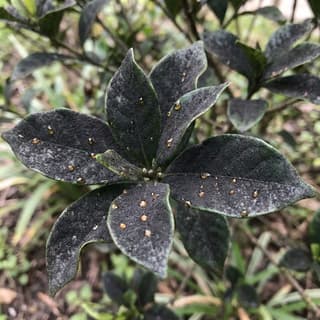
Sooty Mold
Sooty mold is a fungal disease that develops on surfaces coated with honeydew, a sticky sweet substance secreted by sap-sucking insects like aphids, scale insects, and whiteflies. While it does not directly infect plant tissue, it reduces photosynthetic capacity by blocking sunlight and diminishes the plant's aesthetic appearance.
✓ Related symptoms:
- • Yellowing or premature leaf drop due to reduced light
⚡ Quick Fixes:
Immediate physical removal
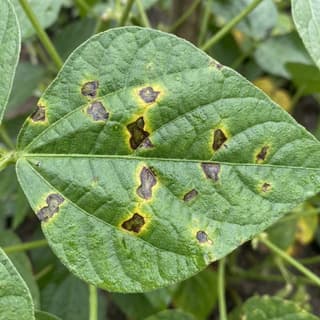
Bacterial Leaf Spot
Bacterial leaf spot is a plant disease caused by bacteria in the Xanthomonas and Pseudomonas genera that affects various ornamental and edible plants. The bacteria infect leaves through wounds or natural openings, causing characteristic lesions that can lead to premature leaf drop and plant weakening.
✓ Related symptoms:
- • Brown or black lesions with yellow halos
- • Leaf yellowing and wilting
⚡ Quick Fixes:
Remove infected leaves
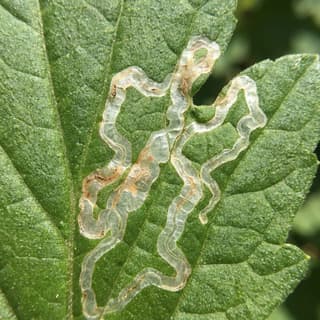
Leafminers
Leafminers are the larvae of various insects including flies, moths, sawflies, and beetles that tunnel between leaf surfaces, creating distinctive serpentine trails or blotchy patches. While primarily cosmetic, severe infestations can weaken plants by reducing photosynthesis capacity and making them susceptible to secondary infections.
✓ Related symptoms:
- • Winding white, yellow or translucent trails on leaves
- • Leaf yellowing and premature drop
⚡ Quick Fixes:
Step 1
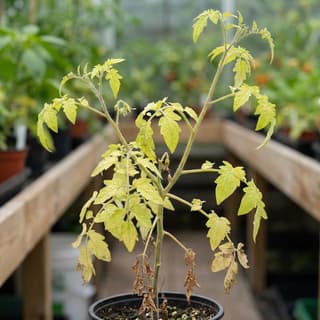
Nitrogen Deficiency
Nitrogen deficiency occurs when plants lack sufficient nitrogen, an essential macronutrient needed for chlorophyll production and overall growth. This deficiency typically manifests as yellowing leaves, starting with older foliage and progressing to newer growth if left untreated.
✓ Related symptoms:
- • Yellowing (chlorosis) of older, lower leaves first
- • Pale yellow-green coloration across the entire plant
- • Some species may develop purple or reddish tints instead of yellowing
⚡ Quick Fixes:
Step 1
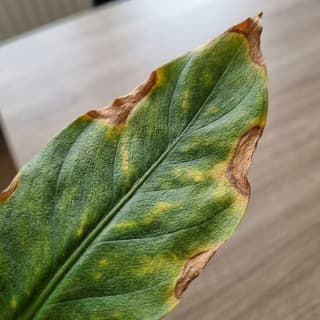
Potassium Deficiency
Potassium deficiency is a nutritional disorder that affects a plant's ability to regulate stomatal opening and closing, resulting in characteristic leaf edge burn. Potassium is a mobile nutrient, so symptoms first appear on older, lower leaves.
✓ Related symptoms:
- • Yellow or brown scorching along leaf margins
- • Chlorosis (yellowing) between leaf veins
⚡ Quick Fixes:
Step 1
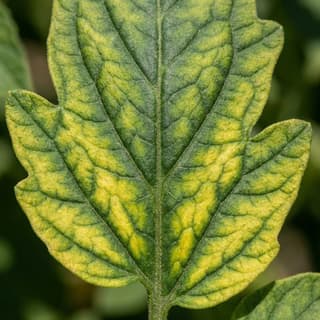
Magnesium Deficiency
Magnesium deficiency is a nutrient disorder characterized by interveinal chlorosis, where leaf tissue between veins turns yellow while the veins remain green. This deficiency affects older leaves first as magnesium is a mobile nutrient that plants relocate to support new growth. Magnesium is essential for chlorophyll production and photosynthesis, making this deficiency critical for plant health.
✓ Related symptoms:
- • Interveinal chlorosis with yellowing between leaf veins while veins stay green
⚡ Quick Fixes:
Step 1
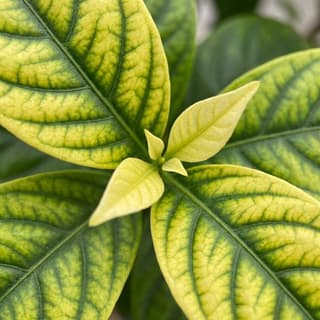
Iron Deficiency
Iron deficiency, commonly known as iron chlorosis, is a nutrient deficiency disorder where plants cannot access sufficient iron from the soil. While iron is typically abundant in soil, various soil conditions can limit plant uptake, resulting in characteristic yellowing of leaves while veins remain green.
✓ Related symptoms:
- • Yellowing of leaves (chlorosis) while veins remain green - most obvious symptom
- • Yellowing starts at the tips of new growth and progresses to older leaves
- • Severe cases show yellowing even in leaf veins
⚡ Quick Fixes:
Step 1
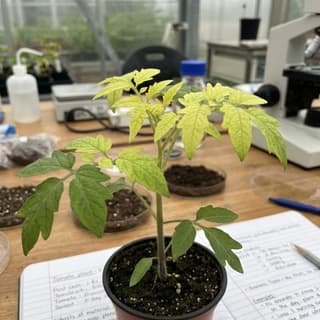
Sulfur Deficiency
Sulfur deficiency is a nutrient disorder that occurs when plants lack adequate sulfur for normal growth and development. Unlike nitrogen deficiency which affects older leaves first, sulfur deficiency primarily manifests in younger leaves because sulfur is not mobile within the plant. Sulfur is essential for protein synthesis, enzyme function, and chlorophyll formation. This deficiency is more common in sandy soils, soils low in organic matter, and in high-rainfall areas where sulfur can be leached away.
✓ Related symptoms:
- • Yellowing (chlorosis) of younger leaves starting at tips and edges
- • Uniform pale yellow to yellowish-green coloration on new growth
⚡ Quick Fixes:
Identify deficiency
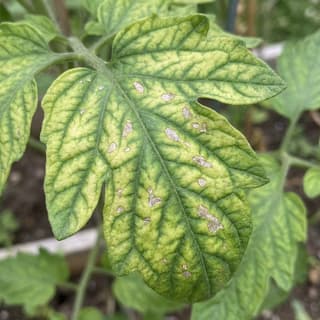
Manganese Deficiency
Manganese deficiency is a nutritional disorder that causes interveinal chlorosis in younger leaves, creating a distinctive chequered pattern. Unlike magnesium deficiency which affects older leaves first, manganese deficiency appears in new growth at the top of the plant. It is most common in poorly drained soils, high organic matter conditions, and soils with pH above 6.5.
✓ Related symptoms:
- • Yellowing starts in younger leaves at top of plant
⚡ Quick Fixes:
Step 1
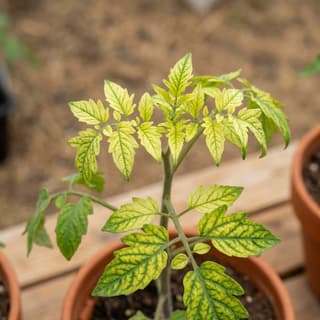
Zinc Deficiency
Zinc deficiency is a common nutrient disorder that affects plant growth and development. Zinc is an essential micronutrient required for enzyme function, chlorophyll formation, and protein synthesis. Without adequate zinc, plants exhibit characteristic symptoms including interveinal chlorosis, stunted growth, and deformed leaves.
✓ Related symptoms:
- • Yellowing or whitening of tissue between leaf veins (interveinal chlorosis)
⚡ Quick Fixes:
Step 1
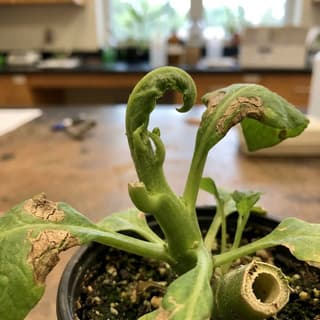
Boron Deficiency
Boron deficiency is a nutrient disorder that affects plant growth and development, particularly at growing points. Boron is essential for cell wall formation, reproductive development, and carbohydrate transport. While critical for plant health, boron has a narrow range between deficiency and toxicity, requiring careful management.
✓ Related symptoms:
- • Yellowing (chlorosis) of young foliage
⚡ Quick Fixes:
Identify symptoms quickly
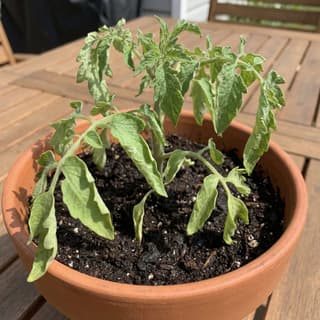
Heat Stress
Heat stress occurs when plants are exposed to excessively high temperatures, typically above 85-90°F (29-32°C), causing physiological damage and compromising vital processes such as photosynthesis and transpiration.
✓ Related symptoms:
- • Yellowing of stems, fruit, or bark
⚡ Quick Fixes:
Step 1
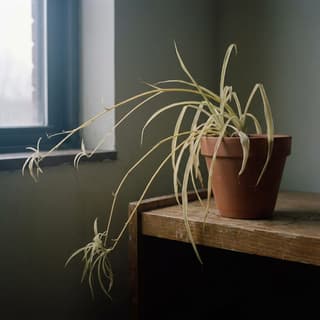
Low Light Stress
Low light stress, also known as etiolation, occurs when plants do not receive adequate light for proper growth and development. This leads to abnormal growth patterns characterized by elongated stems, pale leaves, and weakened overall structure as the plant attempts to reach toward available light sources.
✓ Related symptoms:
- • Pale, yellowish, or washed-out leaf coloration
- • Yellowing and dropping of older leaves
⚡ Quick Fixes:
Step 1
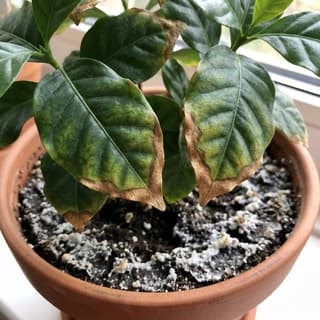
Overfertilization
Fertilizer burn is a condition caused by applying excessive fertilizer to plants. The salts in fertilizer draw moisture out of plant tissues, leading to scorched foliage, root damage, and overall plant stress. This environmental condition is not contagious and can be reversed with proper treatment.
✓ Related symptoms:
- • Yellowing or browning of leaf edges and tips
- • White, yellow or brown streaks following fertilizer application pattern
⚡ Quick Fixes:
Step 1
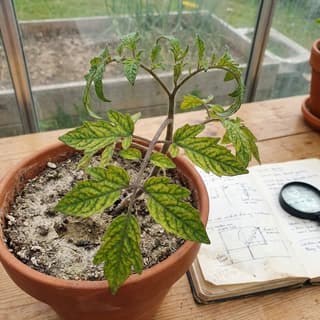
Soil pH Imbalance
Soil pH imbalance occurs when soil becomes too acidic (low pH < 6.0) or too alkaline (high pH > 7.5), preventing plants from absorbing essential nutrients. The ideal pH range for most plants is 6.5-7.5. When pH is outside this range, nutrients become chemically locked in the soil, leading to deficiency symptoms even when nutrients are present.
✓ Related symptoms:
- • Yellowing of older leaves with low pH (acidic soil)
⚡ Quick Fixes:
Step 1
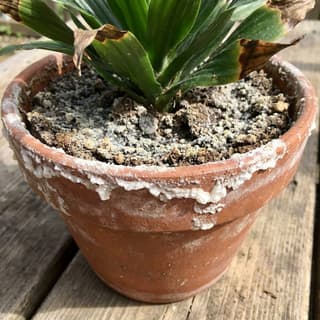
Salt Buildup
Salt buildup (also called salt accumulation or fertilizer salt deposits) is an environmental condition where mineral salts accumulate in the soil over time, creating a toxic environment for plant roots. The most visible sign is a white or yellowish crusty layer on the soil surface or around pot edges.
✓ Related symptoms:
- • White or yellow crystalline buildup around pot edges
- • Yellowing leaves (chlorosis)
⚡ Quick Fixes:
Step 1
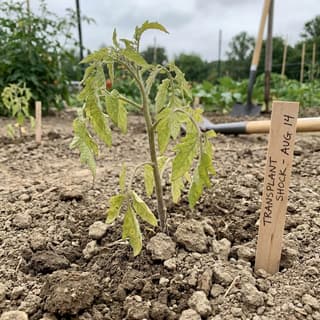
Transplant Shock
Transplant shock is a stress response that occurs when plants are abruptly moved from one environment to another. This environmental condition affects plants during repotting, moving between indoor/outdoor locations, or transplanting from nursery pots to gardens. Root damage during the move is the primary cause, making it nearly impossible to completely avoid some degree of stress.
✓ Related symptoms:
- • Leaf discoloration (yellowing or bronzing)
⚡ Quick Fixes:
Step 1
Edema
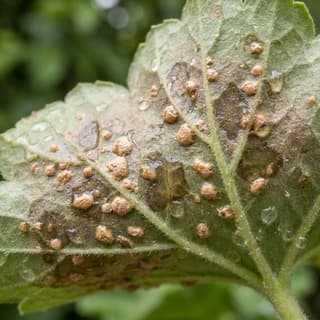
Edema (also spelled oedema) is a non-infectious physiological disorder caused by an imbalance between water uptake and transpiration. When roots absorb water faster than leaves can release it through transpiration, cells in the leaf tissue swell and burst, forming characteristic wart-like blisters. This is purely a cosmetic issue and does not threaten plant health.
✓ Related symptoms:
- • No yellowing, wilting, or plant decline (distinguishes from disease)
⚡ Quick Fixes:
Step 1

Root Rot
Root rot is a serious fungal disease that affects the root system of plants, causing them to decay and die. It is primarily caused by overwatering, poor drainage, or soil-borne fungi such as Pythium, Phytophthora, Rhizoctonia, and Fusarium. The disease thrives in waterlogged conditions where roots are deprived of oxygen, making them susceptible to fungal infection.
✓ Related symptoms:
- • Yellowing or browning of leaves
⚡ Quick Fixes:
Emergency unpotting
Mealybugs
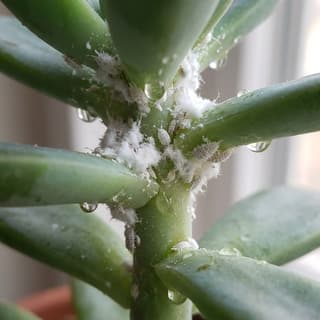
Mealybugs are small, soft-bodied insects covered with a white, waxy, cottony material. They are common pests of houseplants and outdoor plants in mild climates. These sap-sucking insects feed on plant tissue, causing damage, stunted growth, and can lead to plant death if left untreated. They produce sticky honeydew which attracts sooty mold.
✓ Related symptoms:
- • Yellowing or wilting leaves
⚡ Quick Fixes:
Step 1
Spider Mites
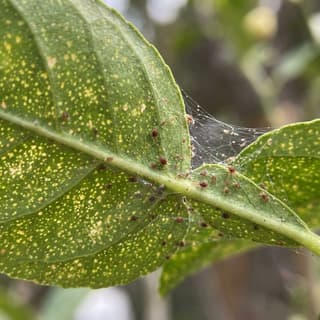
Spider mites are tiny arachnids (less than 1/20 inch long) related to spiders and ticks that feed on plant sap. They thrive in hot, dry conditions and can cause significant damage to ornamental and vegetable plants. During severe infestations, crop losses can reach 14% or higher as these pests disrupt vital plant processes including photosynthesis, carbon dioxide absorption, and transpiration.
✓ Related symptoms:
- • Tiny yellow or white speckles on leaf surface (stippling)
- • Leaves taking on yellow or bronzed appearance
⚡ Quick Fixes:
Step 1
Underwatering
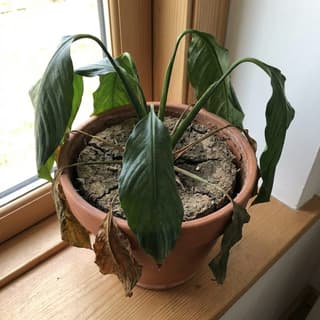
Underwatering or drought stress is a physiological disorder that occurs when the amount of water a plant loses through transpiration exceeds the amount its roots can absorb from the soil. This leads to cellular dehydration and various visible symptoms that can compromise plant health and productivity.
✓ Related symptoms:
- • Yellowing leaves, especially older ones (chlorosis)
⚡ Quick Fixes:
Step 1
Crown Rot
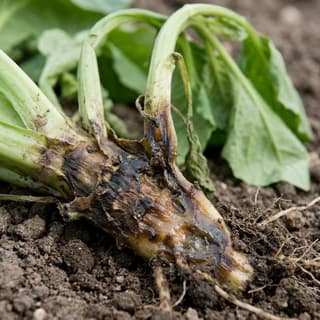
Crown rot is a serious fungal disease that attacks the crown (base) of the plant where the stem meets the soil. It is caused by various fungal pathogens including Phytophthora, Fusarium, and Rhizoctonia. The disease thrives in waterlogged conditions and can quickly spread to kill the entire plant if not addressed promptly.
✓ Related symptoms:
- • Yellowing of lower leaves that drop prematurely
⚡ Quick Fixes:
Immediate unpotting
Phytophthora Root Rot
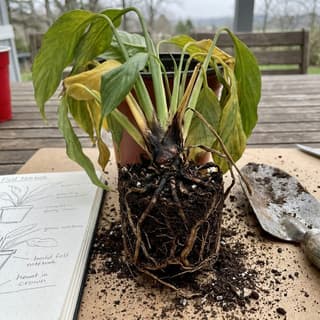
Disease caused by fungus-like organisms (oomycetes) that live in soil and can survive for years. It affects roots, stem, and crown of plants, being especially severe in waterlogged or poorly drained soils. It is the second most common cause of root rot in trees and shrubs.
✓ Related symptoms:
- • Yellowing or discolored foliage (dull green, yellow, red, purplish)
⚡ Quick Fixes:
Expose plant base by removing soil to main roots
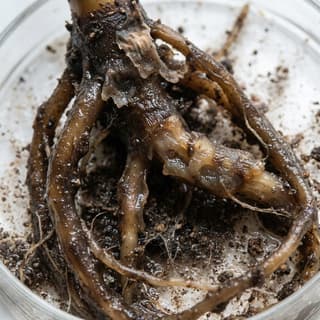
Pythium Root Rot
Pythium root rot is a serious fungal disease caused by various Pythium species including P. aphanidermatum, P. ultimum, and P. irregulare. These water molds are present in practically all cultivated soils and attack plant roots under wet conditions, causing rapid wet rot that can extend into the stem. The disease is favored by poor drainage, overwatering, and specific temperatures depending on the species.
✓ Related symptoms:
- • Progressive yellowing of leaves
⚡ Quick Fixes:
Step 1
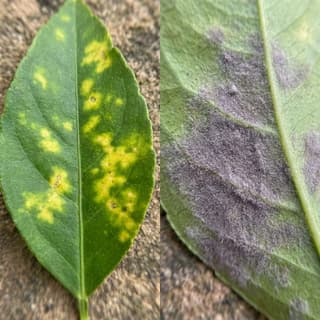
Downy Mildew
Downy mildew is a fungal-like disease caused by oomycetes (water molds) that thrives in cool, wet conditions. It affects a wide range of plants, causing yellowing leaves with fuzzy white-gray growth underneath, leading to defoliation and reduced yields if left untreated.
✓ Related symptoms:
- • Small green or yellow translucent spots on leaves
- • Yellow to brown irregular patches on upper leaf surfaces
- • Leaf yellowing, curling, and distortion
⚡ Quick Fixes:
Remove and destroy all infected plant parts. For severe infections, remove entire plant.
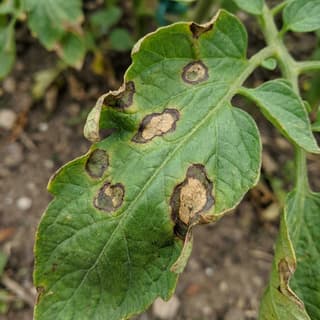
Anthracnose
Anthracnose is a fungal disease caused by fungi in the genus Colletotrichum that affects many plants, including vegetables, fruits, and trees. The disease thrives in cool, wet conditions, causing dark, sunken lesions on leaves, stems, flowers, and fruits.
✓ Related symptoms:
- • Small irregular yellow or brown spots on leaves
⚡ Quick Fixes:
Remove and discard all visibly infected parts
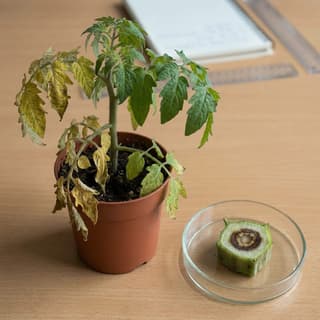
Fusarium Wilt
Fusarium wilt is a serious fungal disease caused by the soil-borne fungus Fusarium oxysporum. The fungus invades roots and blocks the water-conducting vessels (xylem) of the plant, causing progressive wilting and eventual death. Host-specific forms of the pathogen exist that attack different plant species.
✓ Related symptoms:
- • Asymmetrical yellowing of leaves (one side of plant or leaflets)
- • Pale green to golden yellow foliage
⚡ Quick Fixes:
Remove Plant
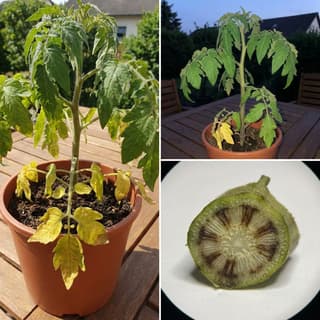
Verticillium Wilt
Verticillium wilt is a soil-borne fungal disease caused primarily by the fungi Verticillium dahliae and V. albo-atrum. These pathogens infect plant roots and grow within the vascular tissues, blocking water and nutrient transport, resulting in wilting and eventual plant death. The disease affects over 350 plant species including vegetables, fruits, ornamental flowers, and trees. The fungi can survive in soil for more than 10 years as resistant structures called microsclerotia.
✓ Related symptoms:
- • Yellowing of leaves (chlorosis) starting from the margins
- • V-shaped yellowing pattern on leaves
⚡ Quick Fixes:
Quick Assessment
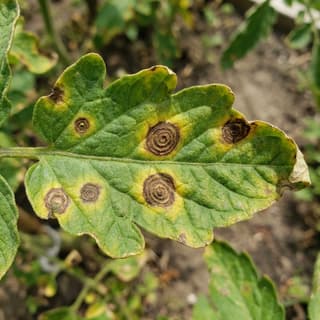
Alternaria Leaf Spot
Alternaria leaf spot is a common fungal disease caused by Alternaria solani and Alternaria alternata that affects a wide range of plants including tomatoes, potatoes, brassicas, and ornamentals. The disease thrives in warm, humid conditions and can cause significant crop damage if left untreated. Spores overwinter on plant debris and can attach to seeds, making complete elimination difficult.
✓ Related symptoms:
- • Spots change from black to tan/gray with yellow halos
⚡ Quick Fixes:
Step 1
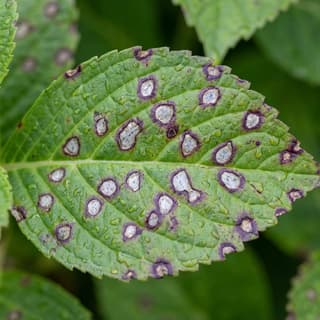
Cercospora Leaf Spot
Cercospora leaf spot is a common fungal disease caused by Cercospora species that affects many plant types, particularly beets, roses, and leafy vegetables. The disease thrives in warm, humid conditions and can cause significant defoliation, reducing plant vigor and yield. It spreads rapidly through water splash, wind, and contaminated tools.
✓ Related symptoms:
- • Premature leaf yellowing and browning
⚡ Quick Fixes:
Step 1
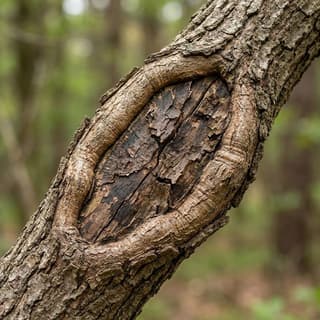
Canker
Canker is a disease caused by various fungi and bacteria that create necrotic, sunken areas on bark of branches, stems, and trunks. Pathogens enter through wounds and natural openings, especially when plants are stressed. Canker can gradually weaken or kill branches by disrupting water and nutrient flow.
✓ Related symptoms:
- • Yellowed, curled, or sparse foliage
⚡ Quick Fixes:
Identify and mark all branches with canker
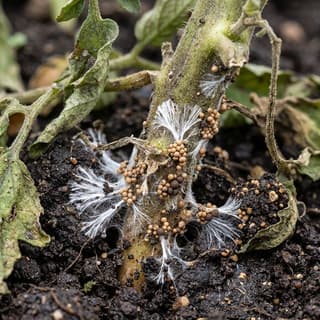
Southern Blight
Southern blight is a devastating soilborne fungal disease caused by Athelia rolfsii (formerly Sclerotium rolfsii), affecting over 500 plant species including vegetables, ornamentals, and fruit crops. The fungus survives in soil through resting structures called sclerotia that resemble mustard seeds and can remain viable for years.
✓ Related symptoms:
- • Yellowing and necrosis of foliage
- • On fruits: sunken yellow lesions turning water-soaked
⚡ Quick Fixes:
Step 1
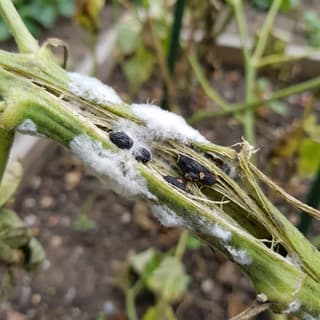
White Mold
White mold (Sclerotinia sclerotiorum) is a devastating fungal disease affecting over 400 plant species worldwide. The fungus produces black, seed-like structures (sclerotia) that can survive in soil for 5 or more years. The disease is favored by cool, moist weather (50-68°F/10-20°C), especially during flowering.
✓ Related symptoms:
- • Sudden wilting and yellowing of leaves
⚡ Quick Fixes:
Immediate removal
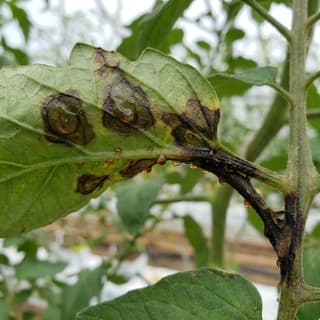
Bacterial Blight
Bacterial blight is a serious plant disease caused by pathogenic bacteria that enters plants through wounds or natural openings. It spreads rapidly in warm, wet conditions and can cause significant damage to leaves, stems, and flowers. The bacteria are transmitted by water splash, contaminated tools, and insects.
✓ Related symptoms:
- • Yellow halos surrounding lesions
⚡ Quick Fixes:
Step 1
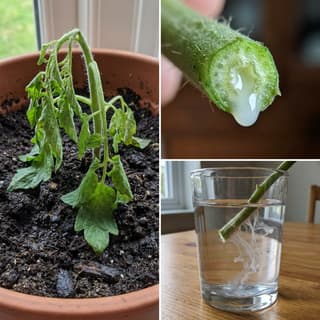
Bacterial Wilt
Bacterial wilt is a fatal vascular disease caused by bacteria (Erwinia tracheiphila, Ralstonia solanacearum, Xanthomonas spp.) that infects the water-conducting tissue of plants. The bacteria multiply and block the flow of water and nutrients, causing rapid wilting and plant death within 1-2 weeks.
✓ Related symptoms:
- • Leaves turn yellow and brown at margins progressively
⚡ Quick Fixes:
Urgent isolation
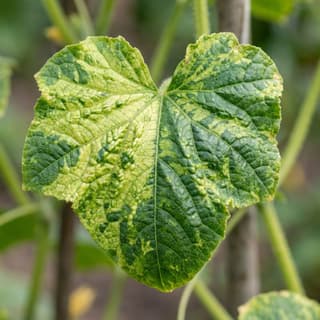
Mosaic Virus
Mosaic virus is a group of plant viruses that cause mottled, patchy patterns on leaves and can affect a wide variety of plants. The virus creates characteristic yellow, white, and green mosaic patterns, often accompanied by stunted growth and deformed plant parts. This highly contagious disease spreads rapidly through insect vectors and contaminated tools.
✓ Related symptoms:
- • Mottled or mosaic pattern of yellow, white, and green on leaves
- • Yellowing between leaf veins
⚡ Quick Fixes:
Step 1
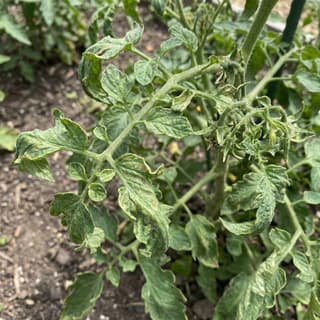
Leaf Curl Virus
Leaf curl virus is a serious viral disease caused by begomoviruses, transmitted by whiteflies (Bemisia tabaci). It affects various plants including tomatoes, peppers, and ornamentals, causing significant yield losses and plant decline. Once infected, plants cannot be cured and management focuses on prevention and vector control.
✓ Related symptoms:
- • Yellowing of young leaves
⚡ Quick Fixes:
Step 1
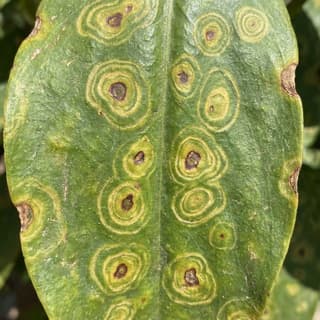
Ringspot Virus
Ringspot virus is a viral disease affecting various plant species, causing distinctive circular or ring-shaped chlorotic patterns on leaves and fruits. Transmitted primarily by aphids, nematodes, or through contaminated tools, this virus cannot be cured and infected plants must be managed carefully to prevent spread. The virus weakens plants, reduces yield, and can spread rapidly in gardens if not properly contained.
✓ Related symptoms:
- • Circular yellow or chlorotic rings on leaves (1/8" to 1/4" diameter)
- • Ring patterns that start pale yellow and may turn necrotic brown
⚡ Quick Fixes:
Emergency isolation NOW
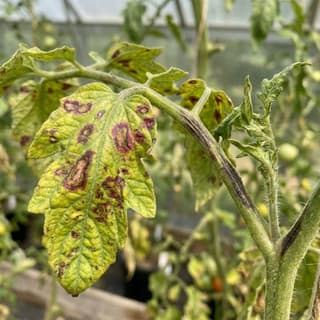
Tomato Spotted Wilt Virus (TSWV)
Tomato Spotted Wilt Virus (TSWV) is one of the most devastating viral diseases affecting over 1,000 plant species across 85 families. It is transmitted by thrips and cannot be cured once a plant is infected. The virus causes severe stunting, bronzing of leaves, necrotic spots, and significant yield losses. Early detection and removal of infected plants is critical to prevent spread.
✓ Related symptoms:
- • Chlorotic yellow ring spots on foliage
- • Yellow ringspots and brown necrotic sunken areas on fruit
⚡ Quick Fixes:
Step 1
Whiteflies
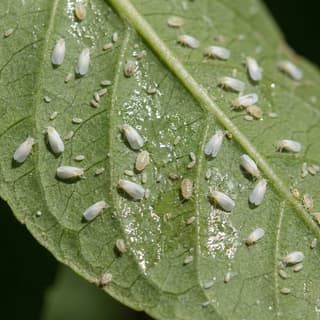
Whiteflies are small, soft-bodied, winged insects closely related to aphids and mealybugs. They are moth-like in appearance, about 1/16 inch long, triangular in shape, and gray-white in color. These sap-sucking pests feed on plant tissue, causing yellowing, stunted growth, and wilting. They also excrete honeydew, which attracts ants and promotes sooty mold growth. Whiteflies can transmit serious plant viruses.
✓ Related symptoms:
- • Yellowing, wilting, and stunted growth of leaves
- • Transmission of plant viruses (tomato yellow leaf curl, cucumber mosaic)
⚡ Quick Fixes:
Step 1
Root-Knot Nematodes
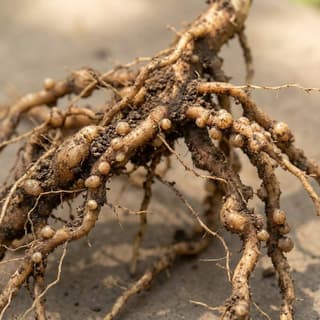
Root-knot nematodes (Meloidogyne species) are microscopic roundworms that parasitize plant roots, causing characteristic galls or knots. These soil-borne pests are among the most economically damaging plant pathogens worldwide, affecting a wide range of ornamental and edible plants. The nematodes inject enzymes into root cells, causing abnormal swelling and disrupting water and nutrient uptake.
✓ Related symptoms:
- • Yellowing of leaves (chlorosis), especially lower leaves
⚡ Quick Fixes:
Step 1
Chemical Burn
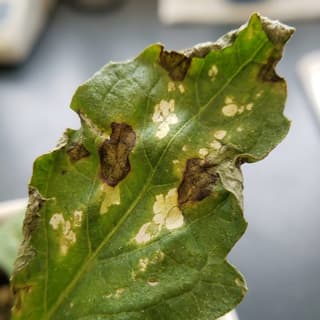
Chemical burn (phytotoxicity) occurs when plants are damaged by misapplication or misuse of pesticides, herbicides, fertilizers, or other chemicals. Environmental conditions like high temperatures, humidity, and plant stress increase vulnerability. Unlike diseases, chemical damage is not contagious but can severely harm or kill plants if not addressed promptly.
✓ Related symptoms:
- • Browning or yellowing of leaf margins and tips
- • Chlorosis (yellowing) from herbicide exposure
⚡ Quick Fixes:
Step 1