African Milk Tree with Zinc Deficiency? Rare but Treatable
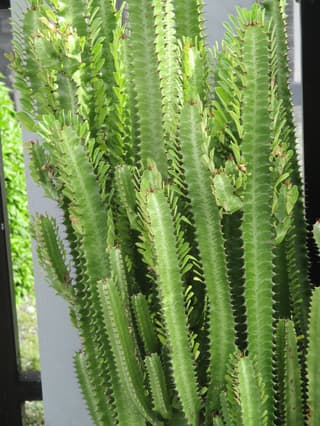
Euphorbia trigona
Zinc Deficiency on African Milk Tree: What to Know?
Zinc Deficiency on African Milk Tree (Euphorbia trigona) is a nutrient_deficiency condition with moderate severity. African Milk Tree has low susceptibility to this disease. Zinc deficiency is a common nutrient disorder that affects plant growth and development. Zinc is an essential micronutrient required for enzyme function, chlorophyll formation, and protein synthesis....
African Milk Tree is a easy-care plant. Recovery from Zinc Deficiency takes approximately 14 days with proper treatment. As an indoor plant, ensure good ventilation to aid recovery.
Unlike most plants, African Milk Tree has natural resistance to Zinc Deficiency. Best treated with preventive measures rather than reactive treatment.
🔍 What Does Zinc Deficiency Look Like on African Milk Tree?
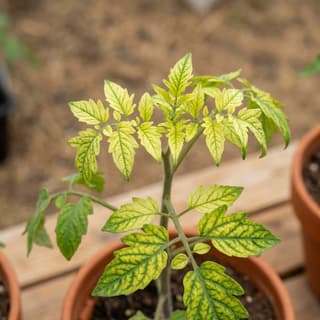
- • Yellowing or whitening of tissue between leaf veins (interveinal chlorosis)
- • Stunted plant growth with shortened internodes
- • Small, narrow, and distorted leaves ("little leaf" syndrome)
- • Clustering of leaves on stems (rosetting)
- • Bronze or brown coloration on leaves in advanced stages
- • Necrotic spots appearing on older leaves
- • Reduced flowering and fruit production
- • Overall reduced vigor and slow growth rate
❓ What Causes Zinc Deficiency on African Milk Tree?
- → High soil pH (alkaline soils above 7.0) reducing zinc availability
- → Sandy soils with low organic matter content
- → High phosphorus fertilizer application blocking zinc uptake
- → Cold soil temperatures slowing zinc availability
- → Excessive calcium or iron in soil competing with zinc
- → Poor soil drainage and waterlogged conditions
- → Over-liming of acidic soils
- → Genetic susceptibility in certain plant varieties
💊 How to Treat Zinc Deficiency on African Milk Tree?
TLDR: Treat Zinc Deficiency on African Milk Tree with quick treatment (~7 days) or organic (~14 days). African Milk Tree has low susceptibility to this disease.
Quick Fixes
Step 1
Mix zinc sulfate solution: 1-2 teaspoons per gallon of water
Step 2
Apply as foliar spray in early morning or evening to avoid leaf burn
Step 3
Thoroughly coat both upper and lower leaf surfaces
Step 4
Repeat application every 7-10 days for 3 applications
Step 5
Water soil thoroughly to support recovery
Organic Treatment
Step 1
Add 2-3 inches of well-composted manure or rich compost around plant base
Step 2
Apply kelp meal or seaweed extract as foliar spray (diluted per package instructions)
Step 3
Incorporate organic matter into soil to improve zinc retention
Step 4
Water deeply after application to help nutrients reach roots
Step 5
Monitor new growth weekly for signs of improvement
🛡️ How to Prevent Zinc Deficiency on African Milk Tree?
TLDR: Prevent Zinc Deficiency on African Milk Tree with 8 essential preventive care practices.
- ✓ Maintain soil pH between 6.0-7.0 for optimal zinc availability
- ✓ Add organic matter regularly (compost, manure) to improve zinc retention
- ✓ Reduce high-phosphorus fertilizers that can block zinc uptake
- ✓ Ensure proper soil drainage to prevent waterlogging
- ✓ Use balanced fertilizers containing micronutrients including zinc
- ✓ Apply zinc supplements preventively in known deficient areas
- ✓ Test soil regularly to monitor zinc levels and pH
- ✓ Avoid over-liming acidic soils which can lock up zinc
🌱 How to Care for African Milk Tree to Prevent Zinc Deficiency?
💧 How to Water
Water only when soil is completely dry, typically every 3-4 weeks. Reduce watering in winter. Wrinkled leaves indicate thirst. Yellowing or browning may signal overwatering and root rot.
☀️ Lighting
Prefers bright indirect light to direct sunlight. Can tolerate some direct morning or afternoon sun. Avoid harsh midday sun which may cause scorching. Also adapts to medium light conditions.
🪴 Ideal Soil
Use well-draining sandy or cactus mix. A 2:1:1 blend of cactus soil, perlite, and coarse sand works well. Good drainage is essential to prevent root rot.
Frequently asked questions
Can Zinc Deficiency kill my African Milk Tree?
How long does African Milk Tree take to recover from Zinc Deficiency?
Is Zinc Deficiency contagious to other plants near African Milk Tree?
Sources & References
- Zinc deficiency (plant disorder) - Wikipedia
- Managing Pests in Gardens: Trees and Shrubs: Disorders: Zinc deficiency—UC IPM
- Zinc For Plants - Fixing Zinc Deficiency In Plants And Effects Of Too Much Zinc
- Zinc Deficiency In Plants: Symptoms & Crop Impact
- Zinc for crop production - UMN Extension
- BBC Gardeners World Magazine
- NC State Extension
- Gardenia.net
- NY Botanical Garden