18 Intermediate Summer Plants | 2026 Guide
Find 18 intermediate plants that bloom in summer. Complete guide with care tips.
18 Intermediate in Summer
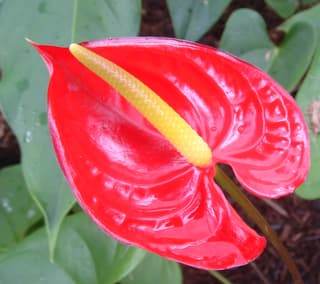
Flamingo Flower
Anthurium andraeanum
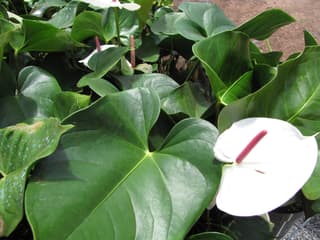
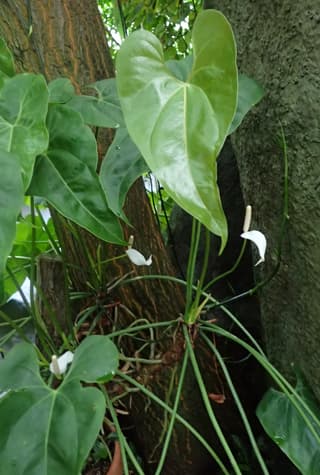
Anthurium andraeanum is a tropical plant native to the rainforests of Colombia and Ecuador. It is famous for its glossy heart-shaped spathes that come in vibrant colors like red, pink, white, and orange. Its leaves are large, shiny, and dark green. It is one of the most popular houseplants due to its nearly continuous flowering throughout the year.
Prayer Plant
Maranta leuconeura
Maranta leuconeura is a tropical plant native to Brazilian rainforests, prized for its decorative leaves with unique colorful vein patterns. Its common name "Prayer Plant" comes from the nyctinastic movement of its leaves, which fold upward at night like hands in prayer and open during the day to absorb light.
Mandevilla
Mandevilla sanderi
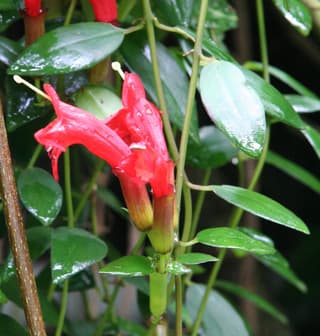
Mandevilla sanderi, popularly known as Dipladenia, is a lush tropical climber native to Brazil. It is characterized by its glossy green leaves and large trumpet-shaped flowers, which come in vibrant shades of pink, red, and white. It is widely cultivated as an ornamental plant due to its beauty and prolonged blooming period, making it ideal for pots, hanging baskets, and gardens.
Orange Jasmine
Murraya paniculata
Murraya paniculata is an evergreen shrub or small tree native to South and Southeast Asia. It is widely cultivated for its dense, glossy dark green foliage and intensely fragrant white flowers that resemble the scent of orange blossoms. It is a popular choice for hedges and bonsai.
String of Pearls
Senecio rowleyanus
String of Pearls is a unique trailing succulent native to South Africa, featuring long, slender stems adorned with small, spherical bead-like leaves that resemble a string of green pearls. These modified leaves have evolved to store water, allowing the plant to thrive in arid conditions. It belongs to the Asteraceae family and is popular as a hanging houseplant.
Croton
Croton variegatum
Croton (Codiaeum variegatum) is a stunning tropical plant native to Indonesia and Malaysia, prized for its brilliantly colored, leathery leaves that display a kaleidoscope of red, orange, yellow, green, and purple hues. This evergreen shrub belongs to the Euphorbiaceae family and can grow up to 3 meters tall in ideal conditions. The vibrant foliage makes it a popular choice for adding a splash of color to indoor spaces and tropical gardens.
Guava Tree
Psidium guajava
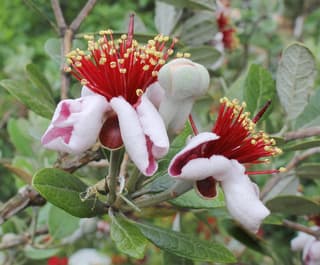
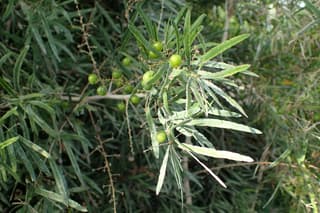
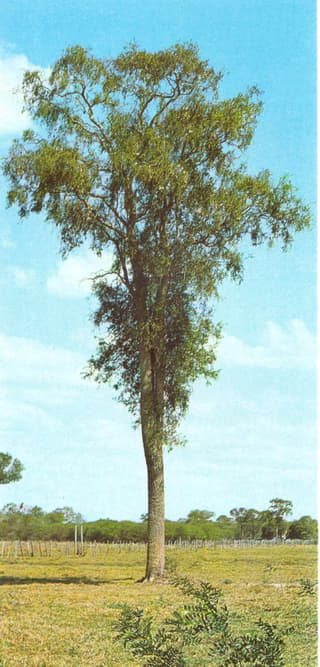
The guava tree (Psidium guajava) is a tropical fruit tree in the Myrtaceae family, native to the Americas. It is widely cultivated for its sweet and aromatic fruits, known as guavas. The tree features smooth bark, elliptical leaves, and delicate white flowers. It is a robust and fast-growing plant that can reach several meters in height, valued both for its fruit production and its medicinal properties.
Rose
Rosa
The Rose is one of the most iconic shrubs in the world, belonging to the Rosaceae family. Known for its stunning beauty and unmistakable fragrance, it features woody stems usually protected by prickles (thorns). There are thousands of varieties resulting from centuries of hybridization, ranging from miniatures to climbing roses.
Queen of the Night
Epiphyllum oxypetalum
Epiphyllum oxypetalum is a spectacular epiphytic cactus native to Central America, famous for its stunning white nocturnal flowers that can reach up to 30 cm in diameter. The flowers open only for one night, releasing a sweet and intense fragrance, and wilt by dawn. It is a fast-growing plant that can reach up to 3 meters in height, with flattened stems that function as leaves (phylloclades) with wavy edges. Unlike other cacti, it has no spines.
Areca Palm
Dypsis lutescens
Dypsis lutescens, commonly known as Areca Palm or Butterfly Palm, is a palm species native to Madagascar. It features multiple golden-yellow stems resembling bamboo and elegant bright green fronds with feather-like leaflets. It is one of the most popular indoor plants due to its tropical beauty and proven air-purifying capabilities, listed in the NASA Clean Air Study as effective in removing formaldehyde, xylene, and toluene from indoor air.
African Violet
Saintpaulia ionantha
The African Violet is a beloved compact houseplant native to the cloud forests of Tanzania and Kenya. Discovered in 1892 by Baron Walter von Saint Paul, it features velvety, dark green leaves and delicate flowers that bloom in shades of purple, blue, pink, white, and red. With proper care, these charming plants can live up to 50 years and bloom nearly year-round.
Blushing Philodendron
Philodendron erubescens
Philodendron erubescens is a climbing tropical plant native to the rainforests of Colombia. It stands out for its large heart-shaped leaves with green and reddish tones, and intensely red stems. It is a perennial plant ideal for indoors that can reach up to 90cm in height when grown at home.
Golden Shower Orchid
Oncidium varicosum
Epiphytic orchid native to Brazil, known for its long sprays of small yellow flowers resembling a cascade of gold. Features pseudobulbs for water and nutrient storage, typical of orchids. One of the most popular orchids in Brazil due to its exuberant blooming and relatively easy cultivation.
Crimson Cattleya
Cattleya labiata
Cattleya labiata is an epiphytic orchid native to northeastern Brazil, found in states such as Ceará, Pernambuco, Bahia, Sergipe, Alagoas, and Paraíba. Known as the "Queen of the Sertão" (Brazilian outback), it is one of Brazil's most emblematic orchids and was officially designated as the flower symbol of Ceará state in 2025. Its club-shaped pseudobulbs can reach 25cm in height, with a single thick, leathery light-green leaf. It produces 2 to 5 flowers per bloom, each measuring 15-20cm, in shades of pink, lilac, purple, and white, with a vibrant lip and a distinctive fragrance that inspired the famous Chanel N°5 perfume.
Rattlesnake Plant
Calathea lancifolia
The Calathea lancifolia, commonly known as the Rattlesnake Plant, is a tropical plant native to the rainforests of Brazil. Its elongated leaves display a dark green pattern with lighter green spots resembling rattlesnake markings, with a reddish-purple underside. Part of the Marantaceae family, it is known for its nyctinastic leaf movement, where leaves fold up at night like hands in prayer.
Taro
Colocasia esculenta
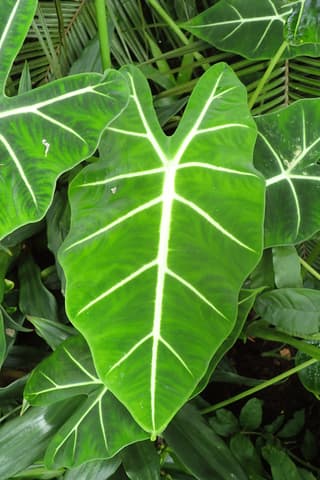
Colocasia esculenta, commonly known as Taro or Elephant Ear, is a tropical perennial plant prized for its dramatic heart-shaped leaves that can reach up to 60cm in length. Native to Southeast Asia, it is one of the oldest cultivated plants in the world, grown both as an ornamental foliage plant and as a food crop for its edible corms. The plant produces large, velvety green leaves on long succulent stems, creating a lush tropical appearance.
Footstool Palm
Livistona rotundifolia
Livistona rotundifolia, commonly known as the Footstool Palm, is an elegant tropical palm native to Southeast Asia. It is characterized by its large, glossy, rounded leaves that resemble a fan, hence its popular name. It is a moderate-growing plant that can reach considerable heights in its natural habitat, though its size remains more contained when grown in pots. Highly valued for its ornamental beauty, it is ideal for well-lit interiors and tropical gardens.
Azalea
Rhododendron simsii
Rhododendron simsii, commonly known as Azalea, is a perennial flowering shrub highly prized for its vibrant blooms and dense foliage. Native to Asia, it is widely cultivated as an ornamental plant in both gardens and pots, especially in temperate to subtropical climates. Its flowers, which appear in profusion, can vary in color and shape, adding a spectacular touch to any environment.
Intermediate Plants for Summer
If you're looking for intermediate plants that bloom in summer, this selection of 18 species is ideal for you.
How to Grow Intermediate Plants
Intermediate plants generally share similar growing characteristics. During summer, pay special attention to each species' light, water, and temperature needs to ensure abundant and healthy blooming.
Benefits of Intermediate Plants
Choosing intermediate plants for summer brings specific advantages. Whether for ease of care, environmental adaptation, or special characteristics, these 18 options were selected to offer the best results during this season.