Orange Bromeliad with Sunburn (Sun Scorch)? Rare but Treatable
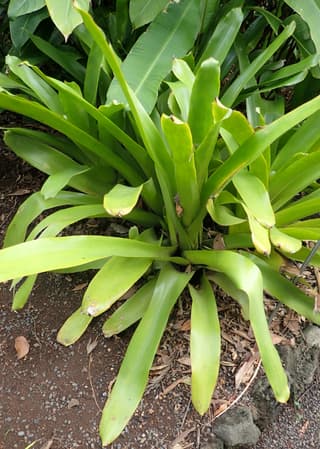
Aechmea blanchetiana
Sunburn (Sun Scorch) on Orange Bromeliad: What to Know?
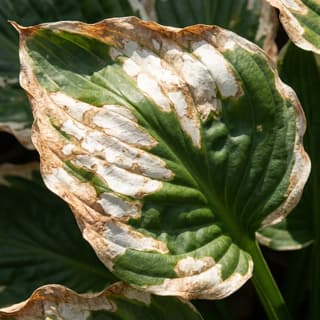
Sunburn (Sun Scorch) on Orange Bromeliad (Aechmea blanchetiana) is a environmental condition with moderate severity. Orange Bromeliad has low susceptibility to this disease. Sunburn or sun scorch is an environmental condition that occurs when plants are exposed to intense, direct sunlight beyond their tolerance level. This causes the breakdown of chlorophyll in the leaves...
Orange Bromeliad is a easy-care plant. Recovery from Sunburn (Sun Scorch) takes approximately 21 days with proper treatment. As an indoor plant, ensure good ventilation to aid recovery.
Unlike most plants, Orange Bromeliad has natural resistance to Sunburn (Sun Scorch). Best treated with preventive measures rather than reactive treatment.
🔍 What Does Sunburn (Sun Scorch) Look Like on Orange Bromeliad?
- • Pale, bleached, or washed-out white areas on leaves
- • Affected areas turn yellow, then brown, and become brittle
- • Damage appears primarily on top leaves or sun-exposed surfaces
- • Leaf edges become completely dry and crispy
- • Underlying leaves remain unaffected
- • Rapid onset of symptoms (within hours)
❓ What Causes Sunburn (Sun Scorch) on Orange Bromeliad?
- → Abrupt exposure to bright, direct sunlight
- → Moving plants from low-light to high-light environments too quickly
- → Intense sun combined with dry soil conditions
- → Hot temperatures and high winds increasing water loss
- → Lack of gradual acclimation (hardening off)
- → Water droplets on leaves acting as magnifying lenses in bright sun
💊 How to Treat Sunburn (Sun Scorch) on Orange Bromeliad?
TLDR: Treat Sunburn (Sun Scorch) on Orange Bromeliad with quick treatment (~11 days) or organic (~21 days). Orange Bromeliad has low susceptibility to this disease.
Quick Fixes
Step 1
Immediately provide shade using umbrellas, cardboard, or shade cloth during hottest hours (10am-4pm)
Step 2
Give a deep watering in the early morning to reduce plant stress
Step 3
Remove completely scorched leaves to prevent rot
Step 4
Monitor daily and adjust shade as needed
Organic Treatment
Step 1
Move the plant to a shaded area or use shade cloth to block direct afternoon sun
Step 2
Prune away severely damaged leaves and stems to prevent disease
Step 3
Apply a thick layer of organic mulch (2-3 inches) around the base to retain soil moisture
Step 4
Deep water in the morning to help the plant recover from stress
Step 5
Wait one week, then apply liquid seaweed fertilizer to speed healing
Step 6
Gradually reintroduce the plant to sunlight over 2-3 weeks
🛡️ How to Prevent Sunburn (Sun Scorch) on Orange Bromeliad?
TLDR: Prevent Sunburn (Sun Scorch) on Orange Bromeliad with 8 essential preventive care practices.
- ✓ Gradually acclimate plants to bright sun over 2-3 weeks (hardening off)
- ✓ Start with full shade, then introduce 1-2 hours of morning sun
- ✓ Keep plants out of direct sunlight during extremely hot days
- ✓ Use sheer curtains or shade cloth to filter intense light
- ✓ Water adequately, especially on hot and windy days
- ✓ Water in morning or evening to avoid droplets during peak sun
- ✓ Apply organic mulch to conserve soil moisture and reduce temperature
- ✓ Provide temporary shading on extremely hot days
🌱 How to Care for Orange Bromeliad to Prevent Sunburn (Sun Scorch)?
💧 How to Water
Keep the central rosette cup filled with clean, non-chlorinated or rainwater at all times. Flush the cup every 30 days to prevent stagnation and mosquito breeding. Water the soil only when dry to the touch. Avoid waterlogging the substrate to prevent root rot.
☀️ Lighting
Grows best in full sun to partial shade. Full sun brings out the stunning orange-red leaf coloration. In shade, foliage remains green. Indoors, place near bright windows. Tolerates some gentle morning direct sun. Gradually acclimate to brighter light if transitioning outdoors.
🪴 Ideal Soil
Use lightweight, well-draining substrate rich in organic matter. A mix of potting soil, coarse sand, and coconut fiber works well. Ideal pH range 5.5–6.5. Can also be grown epiphytically attached to tree trunks with moss around the roots.