Ringspot Virus: Viral Disease | Identification & Management
Ringspot virus is a viral disease affecting various plant species, causing distinctive circular or ring-shaped chlorotic patterns on leaves and fruits. Transmitted primarily by aphids, nematodes, or through contaminated tools, this virus cannot be cured and infected plants must be managed carefully to prevent spread. The virus weakens plants, reduces yield, and can spread rapidly in gardens if not properly contained.
Medium
What is Ringspot Virus?
Ringspot Virus is a viral condition with high severity that affects plants. Ringspot virus is a viral disease affecting various plant species, causing distinctive circular or ring-shaped chlorotic patterns on leaves and fruits. Transmitted primarily by aphids, nematodes, or through contaminated tools, this virus cannot be cured and infected plants must be managed carefully...
Ringspot Virus is a viral disease with high severity that spreads at a moderate rate. It affects 10 plant species in our database. This condition is contagious and can spread between plants.
Not recommended to ignore early signs. Without early intervention, recovery can take twice as long. Without isolation, nearby plants can become infected within days.
🔍 What Are the Symptoms of Ringspot Virus?
TLDR: Ringspot Virus presents 10 main symptoms. Early identification is crucial for effective treatment.
Main Symptoms
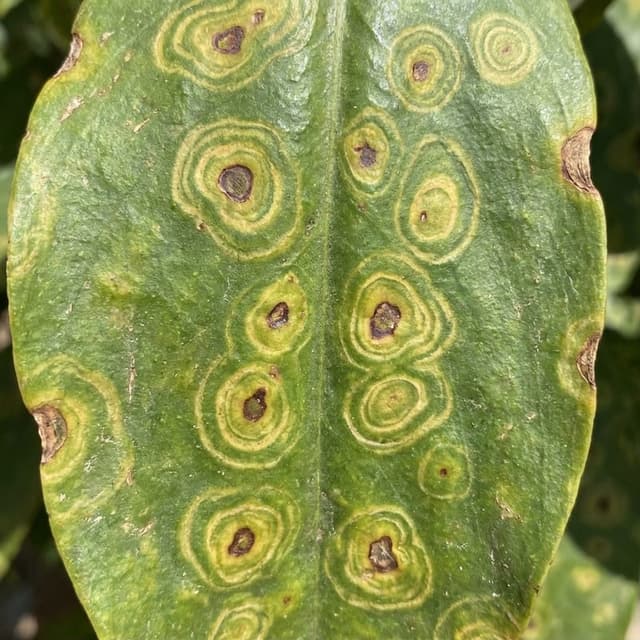
- ! Circular yellow or chlorotic rings on leaves (1/8" to 1/4" diameter)
- ! Ring patterns that start pale yellow and may turn necrotic brown
- ! Leaf distortion, puckering, rolling, or crinkling
- ! Mosaic patterns with alternating light and dark green patches
- ! Stunted plant growth and reduced vigor
- ! Fruit with ring-shaped markings, distortion, and reduced size
- ! Vein clearing and chlorosis along leaf veins
- ! Premature leaf drop in severe infections
- ! Reduced flower production and quality
- ! Overall plant decline and weakening
Visual Signs
❓ What Causes Ringspot Virus in Plants?
- → Viral infection transmitted by aphid vectors (non-persistent manner)
- → Transmission through nematodes in soil (some ringspot variants)
- → Contaminated pruning tools and equipment spreading infected sap
- → Infected plant material or rootstock used in propagation
- → Introduction of infected plants from nurseries or other sources
- → Aphids feeding briefly on infected plants then moving to healthy ones
- → Mechanical transmission through plant wounds and contact
💊 How to Treat Ringspot Virus?
TLDR: Treat Ringspot Virus with 14 days of quick treatment or 90 days of organic treatment. Full recovery takes approximately 0 days.
Quick Fixes
~14 days
Emergency isolation NOW
Immediately move infected plant to isolated area at least 10 feet from other plants. Time is critical.
Rapid assessment - keep or remove
If more than 25% of plant shows symptoms, removal is strongly recommended. Virus cannot be cured, only managed.
Complete plant removal (recommended)
Carefully place entire plant in large plastic bag. Do NOT shake or disturb unnecessarily. Seal bag and dispose in trash, not compost.
OR Strip all symptomatic growth (if keeping)
Remove every leaf or stem showing any symptoms. Bag immediately. This may only delay inevitable decline.
Immediate aphid elimination
Spray with ready-to-use insecticidal soap or pyrethrin spray. Soak all leaf surfaces, especially undersides. Repeat tomorrow.
Surface decontamination
Spray work area with diluted bleach. Disinfect all tools used. Wash hands and clothes immediately.
Emergency barrier protection
Set up yellow sticky traps around ALL nearby plants immediately. Create 3-foot barrier zone around removal site.
Inspect entire collection
Examine every plant within 15 feet. Look for earliest symptoms: subtle ring patterns, slight leaf distortion, yellowing.
Preventive vector treatment
Spray all nearby plants with neem oil or insecticidal soap as preventive measure. Focus on high-risk specimens.
Daily monitoring protocol
Check all plants daily for 14 days. Mark any suspicious symptoms immediately and isolate those plants.
Materials needed:
Organic Treatment
~90 days
Immediate plant isolation
Carefully move infected plant away from all other plants to a separate quarantine area. Handle gently to avoid spreading sap.
Document and assess
Photograph symptoms for identification. Assess severity: if more than 30% of plant is affected, removal is recommended.
Decision point
For mild infections on valuable plants, proceed with management. For severe infections or easily replaced plants, skip to removal step.
Remove symptomatic foliage
Carefully prune and remove all leaves showing ring spots or symptoms. Place directly in sealed plastic bag.
Apply neem oil treatment
Spray entire plant thoroughly with neem oil solution (1 tbsp per liter). Focus on leaf undersides where aphids hide. Repeat every 5-7 days.
Set up yellow sticky traps
Place 3-4 yellow sticky traps around the plant to monitor and trap aphids. Check and replace weekly.
Insecticidal soap application
Spray plant with insecticidal soap every 3 days for 2 weeks to eliminate any aphid vectors. Ensure good coverage.
Strengthen plant immunity
Apply diluted compost tea (1:5 ratio) as foliar spray weekly to boost plant defenses and overall health.
Inspect surrounding plants
Daily inspection of all nearby plants for early symptoms. Mark and isolate any showing signs immediately.
Install physical barriers
If keeping plant, cover with fine mesh netting to prevent aphid access while allowing air circulation.
Companion planting
Plant aphid-repelling companions nearby: marigolds, nasturtiums, catnip, or garlic.
Tool sterilization protocol
After any contact with infected plant, disinfect all tools in 10% bleach solution for 10 minutes, then rinse well.
Extended monitoring period
Continue weekly inspections and preventive neem treatments for 90 days. Virus may remain dormant before showing symptoms.
Consider removal
If new symptoms appear or plant declines significantly, remove and destroy to protect garden. Do not compost infected material.
Materials needed:
Expert Treatment
~120 days
Complete diagnostic assessment
Document all symptoms with photography. Assess infection percentage and distribution. Consider laboratory confirmation if diagnosis uncertain (ELISA or RT-PCR testing).
Risk-benefit analysis
Evaluate plant value vs risk to collection. Rare/valuable specimens may warrant intensive management; common plants should be removed immediately.
Quarantine protocol establishment
Create isolated quarantine zone minimum 15 feet from other plants. Establish separate tools and equipment. Implement strict hygiene protocols for all quarantine work.
Surgical removal of infected tissue
Using sterile tools, remove all symptomatic tissue plus 2-3cm margin of apparently healthy tissue. Make clean cuts, avoid tearing. Seal in biohazard bags immediately.
Comprehensive vector survey
Install yellow sticky traps at multiple heights. Monitor daily and count aphids. Identify species present. Set action threshold: any aphids require immediate treatment.
Systemic insecticide application
Apply imidacloprid or thiamethoxam as soil drench per label rates. Provides 8-12 weeks systemic protection against aphid vectors.
Foliar insecticide rotation
Implement 3-product rotation: Week 1: neem oil; Week 2: insecticidal soap; Week 3: pyrethrin. Prevents resistance development.
Nematode assessment (if applicable)
If soil-borne ringspot variant suspected, submit soil samples for nematode analysis. Apply appropriate nematicides if positive.
Physical exclusion system
Construct frame with fine mesh screening (insect exclusion fabric, 50 mesh minimum) to physically prevent all aphid access while maintaining air circulation.
Nutritional optimization
Apply balanced fertilizer to support plant vigor but avoid excessive nitrogen which attracts aphids. Maintain optimal pH and micronutrient levels.
Immune system enhancement
Apply biweekly foliar applications of seaweed extract and silica supplements to strengthen cell walls and enhance disease resistance mechanisms.
Beneficial insect introduction
Release ladybugs, lacewings, and parasitic wasps for biological aphid control. Requires 3-4 releases at 2-week intervals.
Collection-wide prevention program
Extend monitoring and preventive treatments to all plants in collection. Implement monthly inspection protocols with detailed record keeping.
Environmental modification
Use reflective mulches to disorient aphids. Maintain excellent air circulation. Avoid overhead watering. Optimize growing conditions for plant stress reduction.
Long-term monitoring and data analysis
Continue intensive monitoring for 120 days minimum. Track new symptom development, vector populations, plant response. Document all interventions and outcomes.
Decision checkpoint
At 90 days, reassess. If new symptoms appear or plant shows significant decline, implement removal. Success requires complete symptom arrest and vigorous growth.
Step by Step
- 1
Immediately isolate suspected infected plants from healthy ones
- 2
Remove and bag all infected plant material (do not compost)
- 3
Disinfect all tools and work surfaces with 10% bleach solution
- 4
Implement aggressive aphid control program around remaining plants
- 5
Monitor all surrounding plants daily for early symptom detection
- 6
Destroy severely infected plants by bagging and disposing in trash
- 7
Apply preventive insecticide treatments to protect healthy plants
- 8
Maintain optimal growing conditions to support plant resilience
- 9
Continue monitoring for 4-6 weeks after removal of infected plants
🧪 Natural vs Chemical: Which Treatment Works for Ringspot Virus?
🌱 Natural Solutions
- ✓ Neem oil spray to deter aphid vectors (1 tbsp per liter water, weekly)
- ✓ Insecticidal soap for aphid population control
- ✓ Garlic or hot pepper spray as natural aphid repellent
- ✓ Remove infected plant immediately to prevent spread to healthy plants
- ✓ Enhance plant immune system with compost tea applications
- ✓ Reflective mulches to confuse and deter aphid landing
- ✓ Companion planting with aphid-repelling plants (marigolds, nasturtiums)
- ✓ Beneficial nematodes for soil-dwelling vector control
💉 Chemical Solutions
- ✓ Systemic insecticides for severe aphid infestations (imidacloprid, acetamiprid)
- ✓ Contact insecticides for immediate aphid knockdown (pyrethrin-based products)
- ✓ Foliar sprays with azadirachtin for aphid deterrence
- ✓ Nematicides for soil treatment when nematode vectors are confirmed
- ✓ Important: No chemical can cure viral infections, only manage vectors
Treatment Comparison
| Type | Estimated time | Steps | Difficulty | Best For |
|---|---|---|---|---|
| ⚡Quick | ~14 days | 10 | Advanced | Urgent cases |
| 🌿Organic | ~90 days | 14 | Advanced | Indoor plants |
| 🔬Expert | ~120 days | 16 | Advanced | Severe infections |
🛡️ How to Prevent Ringspot Virus?
TLDR: Prevent Ringspot Virus with 12 essential care practices. Regular monitoring is key for early detection.
- ✓ Always purchase certified virus-free plants from reputable nurseries
- ✓ Inspect all new plants thoroughly before introducing to garden
- ✓ Implement strict aphid control measures with regular monitoring
- ✓ Use yellow sticky traps to monitor and reduce aphid populations
- ✓ Practice tool sanitation: disinfect pruning tools with 10% bleach solution
- ✓ Remove and destroy infected plants immediately to prevent spread
- ✓ Avoid working with plants when foliage is wet
- ✓ Maintain plant health through proper nutrition and watering
- ✓ Create physical barriers using row covers to exclude aphid vectors
- ✓ Quarantine new plants for 2-3 weeks before introducing to main garden
- ✓ Control nematode populations in soil through crop rotation and soil management
- ✓ Promote beneficial insects that prey on aphids (ladybugs, lacewings)
🔗Related Diseases
Leaf Curl Virus
HighLeaf curl virus is a serious viral disease caused by begomoviruses, transmitted by whiteflies (Bemisia tabaci). It affects various plants including tomatoes, peppers, and ornamentals, causing significant yield losses and plant decline. Once infected, plants cannot be cured and management focuses on prevention and vector control.
Mosaic Virus
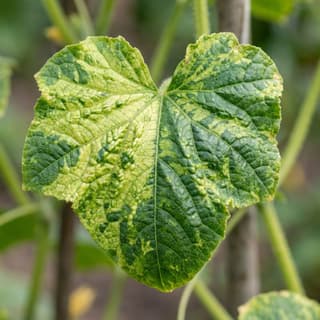
HighMosaic virus is a group of plant viruses that cause mottled, patchy patterns on leaves and can affect a wide variety of plants. The virus creates characteristic yellow, white, and green mosaic patterns, often accompanied by stunted growth and deformed plant parts. This highly contagious disease spreads rapidly through insect vectors and contaminated tools.
Amaranth Mosaic Virus
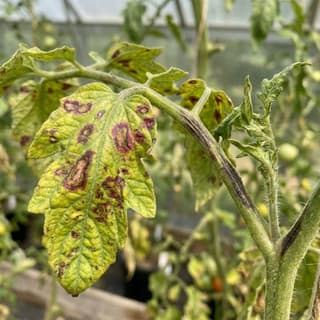
MediumThis is a viral disease typically spread by aphids or contaminated tools. It causes yellow and green mottling on leaves, deformities, and stunted plant growth. There is no direct chemical treatment for the virus, making prevention and insect control essential.
Tomato Spotted Wilt Virus (TSWV)
CRITICALTomato Spotted Wilt Virus (TSWV) is one of the most devastating viral diseases affecting over 1,000 plant species across 85 families. It is transmitted by thrips and cannot be cured once a plant is infected. The virus causes severe stunting, bronzing of leaves, necrotic spots, and significant yield losses. Early detection and removal of infected plants is critical to prevent spread.