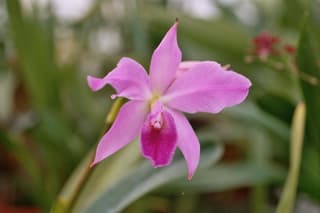
Cattleya Orchid Prone to Pythium Root Rot: How to Protect
Cattleya spp
Pythium Root Rot on Cattleya Orchid: What to Know?
Pythium Root Rot on Cattleya Orchid (Cattleya spp) is a fungal condition with high severity. Cattleya Orchid has high susceptibility to this disease. Pythium root rot is a serious fungal disease caused by various Pythium species including P. aphanidermatum, P. ultimum, and P. irregulare. These water molds are present in practically all cultivated s...
Cattleya Orchid is a medium-care plant. Recovery from Pythium Root Rot takes approximately 14 days with proper treatment. As an indoor plant, ensure good ventilation to aid recovery.
Cattleya Orchid is highly susceptible to Pythium Root Rot, unlike most plants in the same family. Without early intervention, recovery takes 21 days instead of 14 days. Unlike bacterial infections, Pythium Root Rot on Cattleya Orchid can be managed with organic fungicides.
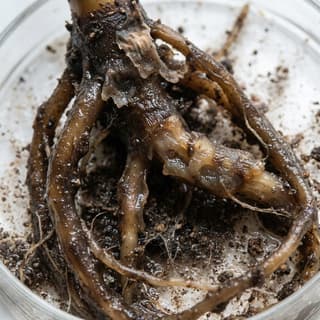
🔍 What Does Pythium Root Rot Look Like on Cattleya Orchid?
- • Dark brown to black wet rot of roots
- • Roots soften and disintegrate easily
- • Outer cortical tissue pulls off easily exposing vascular strand
- • Brown and dead root tips
- • Stunted growth and undersized plants
- • Wilting during the day with recovery at night
- • Progressive yellowing of leaves
- • Plant collapse and death in severe cases
- • Crown may turn brown-black with soft rot
❓ What Causes Pythium Root Rot on Cattleya Orchid?
- → Infection by Pythium species (P. aphanidermatum, P. ultimum, P. irregulare)
- → Soil moisture above 70% of available water capacity
- → Poor drainage and waterlogged substrate
- → Overwatering or too frequent irrigation
- → Favorable temperatures (above 77°F for P. aphanidermatum, lower temperatures for other species)
- → Use of non-pasteurized or contaminated substrate
- → Contaminated pots, tools, and surfaces
- → Spread through contaminated irrigation water
- → Transmission by fungus gnats and shore flies
- → Excessive levels of ammonium or soluble salts in substrate
💊 How to Treat Pythium Root Rot on Cattleya Orchid?
TLDR: Treat Pythium Root Rot on Cattleya Orchid with quick treatment (~7 days) or organic (~14 days). Cattleya Orchid has high susceptibility to this disease.
Quick Fixes
Step 1
Step 2
Step 3
Step 4
Step 5
Step 6
Organic Treatment
Step 1
Step 2
Step 3
Step 4
Step 5
Step 6
Step 7
🛡️ How to Prevent Pythium Root Rot on Cattleya Orchid?
TLDR: Prevent Pythium Root Rot on Cattleya Orchid with 10 essential preventive care practices.
- ✓ Use well-drained substrate with adequate air pore space
- ✓ Pasteurize or solarize substrate before use (140°F for 30 min)
- ✓ Avoid overwatering and maintain good water management
- ✓ Ensure proper drainage in pots and beds
- ✓ Inspect roots of new plant material before introducing to collection
- ✓ Keep pots, tools, and growing areas clean and disinfected
- ✓ Keep irrigation hose ends elevated off the ground
- ✓ Avoid excessive levels of ammonium and soluble salts in substrate
- ✓ Use substrate with at least 20% composted pine bark
- ✓ Control fungus gnats that can transmit spores
🌱 How to Care for Cattleya Orchid to Prevent Pythium Root Rot?
💧 How to Water
Water Cattleya orchids every 7 days, or when the potting medium is completely dry. Use room-temperature water and let it drain fully — never let the pot sit in standing water. Root rot from overwatering is the most common problem. Reduce watering frequency in winter.
☀️ Lighting
Place your Cattleya in a spot with bright, indirect light — an east or west-facing window is ideal. They need 2,000–3,500 foot-candles (21,000–37,000 lux) to bloom. Avoid direct midday sun, which can scorch leaves. Dark green leaves indicate too little light; yellowish leaves may indicate too much.
🪴 Ideal Soil
Use a specialized orchid potting medium such as coarse fir or pine bark, perlite, and horticultural charcoal. Never use regular potting soil, as it retains too much moisture and suffocates the aerial roots. Repot every 1–2 years when the medium breaks down or roots outgrow the pot.
Frequently asked questions
Can Pythium Root Rot kill my Cattleya Orchid?
How long does Cattleya Orchid take to recover from Pythium Root Rot?
Is Pythium Root Rot contagious to other plants near Cattleya Orchid?
Sources & References
- UC IPM - Pythium Root Rot (Floriculture and Ornamental Nurseries)
- Cornell Greenhouse Horticulture - Root Rot Diseases
- Michigan State University - Pythium Root and Stem Rot
- American Orchid Society - Cattleya Culture Sheet
- NC State Extension - Cattleya
- Planticulous - Cattleya Orchid Care
- O Cultivador - Orquídeas Cattleya
- Jardim Verdinho - Orquídea Cattleya