Overfertilization: Environmental Stress | How to Fix
Fertilizer burn is a condition caused by applying excessive fertilizer to plants. The salts in fertilizer draw moisture out of plant tissues, leading to scorched foliage, root damage, and overall plant stress. This environmental condition is not contagious and can be reversed with proper treatment.
Medium
14 days
What is Overfertilization?
Overfertilization is a environmental condition with moderate severity that affects plants. Fertilizer burn is a condition caused by applying excessive fertilizer to plants. The salts in fertilizer draw moisture out of plant tissues, leading to scorched foliage, root damage, and overall plant stress. This environmental condition is not contagious and can be reversed with proper treatment.
Overfertilization is a environmental disease with moderate severity that spreads at a moderate rate. Recovery typically takes approximately 14 days with proper treatment. It affects 10 plant species in our database.
Unlike infectious diseases, Overfertilization is caused by environmental conditions. Without correcting the environment, symptoms return even after treatment. Unlike many common diseases, Overfertilization is not contagious between plants.
🔍 What Are the Symptoms of Overfertilization?
TLDR: Overfertilization presents 8 main symptoms. Early identification is crucial for effective treatment.
Main Symptoms
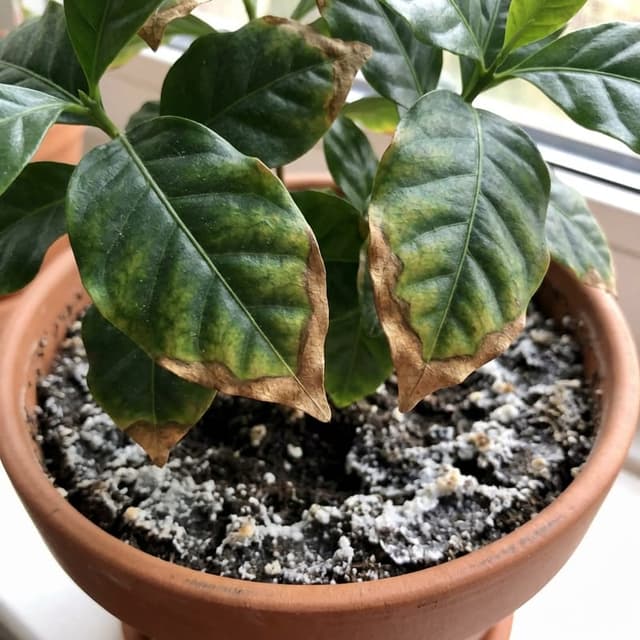
- ! Yellowing or browning of leaf edges and tips
- ! White, yellow or brown streaks following fertilizer application pattern
- ! Wilting despite adequate watering
- ! Leaves browning and collapsing from edges inward
- ! White crusty salt buildup on soil surface
- ! Stunted growth or excessive foliage with few flowers
- ! Blackened or brown limp roots
- ! General appearance of scorched or burned foliage
Visual Signs
❓ What Causes Overfertilization in Plants?
- → Applying too much fertilizer at once
- → Using fertilizer that is too concentrated
- → Fertilizing during heat or drought stress
- → Applying fertilizer to dry soil
- → Getting fertilizer on plant leaves instead of soil
- → Not watering thoroughly after fertilizing
- → Accumulation of salts from repeated fertilization
- → Using fast-release fertilizers incorrectly
💊 How to Treat Overfertilization?
TLDR: Treat Overfertilization with 7 days of quick treatment or 14 days of organic treatment. Full recovery takes approximately 14 days.
Quick Fixes
~7 days
Step 1
Immediately scrape away visible fertilizer from soil surface
Step 2
Flush container plants under running water for 5-10 minutes, ensuring drainage holes are clear
Step 3
For in-ground plants: flood area with water using sprinkler or hose for 15-20 minutes
Step 4
Remove and discard heavily damaged foliage to prevent disease spread
Step 5
Repeat flushing after 24 hours if soil still feels crusty or salty
Step 6
Stop all fertilization immediately
Materials needed:
Organic Treatment
~14 days
Step 1
Remove any visible fertilizer granules or salt crust from soil surface
Step 2
Flush soil thoroughly with room-temperature water to leach excess nutrients (for containers: run water through pot for 5-10 minutes; for in-ground: deep soak with soaker hose)
Step 3
Repeat flushing process every 2-3 days until plant shows improvement
Step 4
Prune severely damaged leaves (brown, crispy, or yellowing foliage) to redirect energy to healthy growth
Step 5
Allow soil to dry slightly between waterings to prevent root rot
Step 6
Monitor plant recovery and avoid fertilizing for 4-6 weeks
Materials needed:
Expert Treatment
~21 days
Step 1
Assessment: Check soil EC (electrical conductivity) to measure salt levels - readings above 2.0 mS/cm indicate severe overfertilization
Step 2
Remove all visible fertilizer residue and scrape crusty salt deposits from soil surface
Step 3
Systematic flushing protocol: Apply water at 2-3x the container volume (for pots) or deep soak to 12-18 inches depth (for in-ground)
Step 4
Test drainage water EC after flushing - continue until EC drops below 1.0 mS/cm
Step 5
Prune damaged tissue using sterilized tools - remove necrotic leaf tips, margins, and severely chlorotic leaves
Step 6
Apply beneficial microbes (mycorrhizae, beneficial bacteria) to support root recovery
Step 7
Monitor soil moisture with meter - maintain slight dryness between waterings to promote root regeneration
Step 8
After 3-4 weeks: conduct soil test to verify nutrient levels before resuming fertilization
Step 9
Resume feeding at 25% normal strength, gradually increasing over 4-6 weeks
Step by Step
- 1
Stop all fertilizer applications immediately
- 2
Remove visible fertilizer granules from soil surface with a trowel
- 3
Flush soil thoroughly with water until it cannot absorb more
- 4
Repeat deep watering daily for 5-7 days to leach salts
- 5
Trim brown, wilted or damaged leaves to reduce stress
- 6
Monitor plant for signs of recovery over 2-3 weeks
- 7
Resume very light fertilization only after full recovery
- 8
Consider repotting if salt buildup is severe (container plants)
🧪 Natural vs Chemical: Which Treatment Works for Overfertilization?
🌱 Natural Solutions
- ✓ Immediately flush soil with large amounts of water to leach out excess salts
- ✓ Water slowly and deeply, allowing water to sink in rather than run off
- ✓ Repeat deep watering once daily for 5-7 days
- ✓ Remove any visible granular fertilizer from soil surface
- ✓ Remove severely damaged leaves to reduce plant stress
- ✓ Apply organic compost to help buffer soil and improve drainage
- ✓ Allow soil to dry slightly between waterings after initial flush
- ✓ Monitor plant recovery and adjust watering as needed
💉 Chemical Solutions
- ✓ Use gypsum (calcium sulfate) to help displace excess sodium salts
- ✓ Apply elemental sulfur to lower pH if alkalinity is an issue from fertilizer
- ✓ Consider soil amendments to improve drainage and prevent salt accumulation
Treatment Comparison
| Type | Estimated time | Steps | Difficulty | Best For |
|---|---|---|---|---|
| ⚡Quick | ~7 days | 6 | Advanced | Urgent cases |
| 🌿Organic | ~14 days | 6 | Advanced | Indoor plants |
| 🔬Expert | ~21 days | 9 | Advanced | Severe infections |
🛡️ How to Prevent Overfertilization?
TLDR: Prevent Overfertilization with 9 essential care practices. Regular monitoring is key for early detection.
- ✓ Test soil before applying fertilizer to determine actual nutrient needs
- ✓ Always follow fertilizer package instructions for proper dosage
- ✓ Use slow-release fertilizers to reduce salt buildup risk
- ✓ Water plants thoroughly before and after fertilizing
- ✓ Apply fertilizer only to soil, not on leaves
- ✓ Use a broadcast spreader for even distribution in large areas
- ✓ Never fertilize plants stressed by heat or drought
- ✓ Reduce fertilizer frequency during dormant seasons
- ✓ Flush soil periodically to prevent salt accumulation
🔗Related Diseases
Severe Defoliation
HighThis condition involves a sudden and massive loss of leaves caused by adverse environmental factors. The plant sheds its foliage in an attempt to survive extreme stress, such as abrupt temperature changes, improper watering, or transplant shock. If the underlying cause is not addressed, the plant may completely wither and die.
Severe Defoliation and Dormancy
HighThis condition is triggered by extreme environmental stress, such as sudden temperature fluctuations, insufficient light, or improper watering. In an effort to survive, the plant sheds its leaves and enters a dormant state to conserve energy.
Leaf Drop (Environmental Stress)
MediumLeaf drop occurs when a plant undergoes sudden environmental changes, such as insufficient light, excessive wind, or temperature fluctuations. It is not a fungal disease, but rather a physical response to stress.
Physical Leaf Damage
LowThis is not an infectious disease, but rather the result of external mechanical or environmental factors. It occurs due to rough handling, strong winds, hail, or pets. Leaves exhibit tears, cuts, or frayed edges, but the rest of the plant typically remains healthy and green.
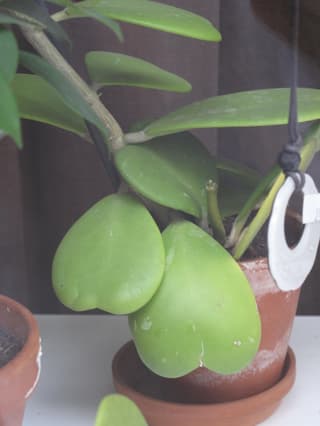
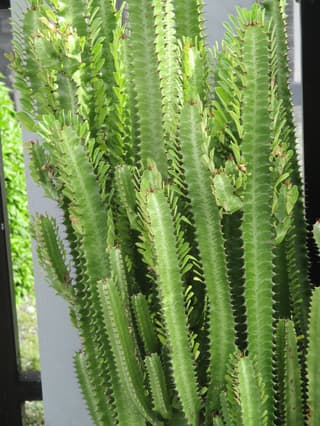
🌿 Which Plants Are Most Affected by Overfertilization?
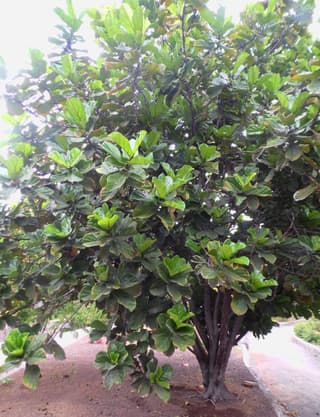
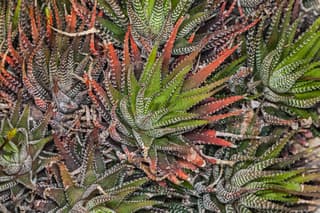
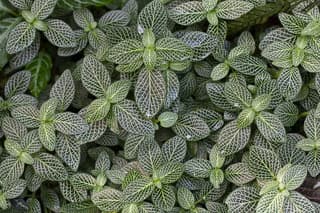
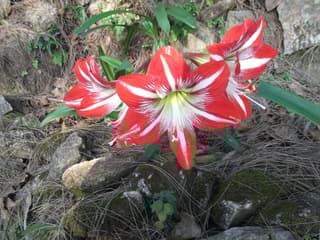
Sources & References
- Over-Fertilized Plants: signs, treatment and prevention
- Too Much Fertilizer On Plants: Managing Fertilizer Burn In Gardens
- Fertilizer burn - Wikipedia
- Fertilizer Burn Repair Guide: How to Fix Fertilizer Burn
- Simple Steps to Correct and Prevent Over Fertilization
- Fertilizer Burn: Symptoms & Signs, How To Spot And Prevent
- 7 Signs You're Over-Fertilizing Your Houseplant & How to Fix It
- Common Cultural: Fertilizer burn
- How to Fix Fertilizer Burn on Plants