Chinese Money Plant with Gray Mold (Botrytis Blight): Prevention & Cure
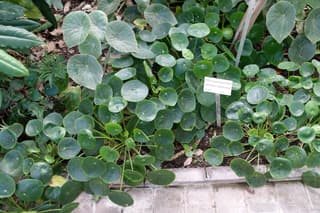
Pilea peperomioides
Gray Mold (Botrytis Blight) on Chinese Money Plant: What to Know?
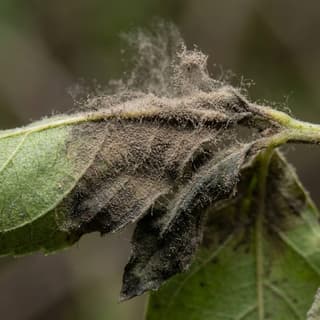
Gray Mold (Botrytis Blight) on Chinese Money Plant (Pilea peperomioides) is a fungal condition with high severity. Chinese Money Plant has moderate susceptibility to this disease. Gray mold, caused by the fungus Botrytis cinerea, is a widespread necrotrophic pathogen affecting over 1,400 plant species. It thrives in cool, humid conditions and attacks weakened or aging plant tis...
Chinese Money Plant is a easy-care plant. Recovery from Gray Mold (Botrytis Blight) takes approximately 21 days with proper treatment. As an indoor plant, ensure good ventilation to aid recovery.
Unlike bacterial infections, Gray Mold (Botrytis Blight) on Chinese Money Plant can be managed with organic fungicides.
🔍 What Does Gray Mold (Botrytis Blight) Look Like on Chinese Money Plant?
- • Gray, fuzzy mold coating on flowers, leaves, stems, or fruits
- • Soft, water-soaked brown lesions that rapidly expand
- • Wilting and browning of flower petals
- • Cloud of gray spores released when infected parts are disturbed
- • Black, hard sclerotia (fungal survival structures) forming under rotted areas
- • Ghost spots on fruits - small whitish rings from aborted infections
- • Rapid tissue collapse and decay
❓ What Causes Gray Mold (Botrytis Blight) on Chinese Money Plant?
- → Fungal spores spread by air, water, and contact
- → Free moisture on plant surfaces for 8-12 hours
- → High relative humidity (>93% in canopy)
- → Cool temperatures (55-65°F / 13-18°C)
- → Poor air circulation
- → Dense plant canopies with overlapping foliage
- → Wounded, aging, or stressed plant tissues
- → Overhead watering that keeps foliage wet
💊 How to Treat Gray Mold (Botrytis Blight) on Chinese Money Plant?
TLDR: Treat Gray Mold (Botrytis Blight) on Chinese Money Plant with quick treatment (~11 days) or organic (~21 days). Chinese Money Plant has moderate susceptibility to this disease.
Quick Fixes
Step 1
Immediately remove all visibly infected plant parts
Step 2
Apply fast-acting systemic fungicide (fenhexamid or similar)
Step 3
Reduce humidity below 85% using dehumidifier or ventilation
Step 4
Move plants to well-ventilated area with good air circulation
Step 5
Stop all overhead watering immediately
Step 6
Apply second fungicide treatment after 7 days
Step 7
Remove any new infections daily for 2 weeks
Step 8
Apply preventive fungicide spray weekly for 3 weeks
Organic Treatment
Step 1
Isolate infected plants immediately to prevent spore spread
Step 2
Remove all infected tissues (flowers, leaves, stems) using sterilized pruners
Step 3
Apply Bacillus subtilis biological fungicide spray to all plant surfaces
Step 4
Spray neem oil solution (1-2% concentration) covering entire plant
Step 5
Improve air circulation with fans running 12+ hours daily
Step 6
Apply potassium bicarbonate foliar spray weekly
Step 7
Introduce Trichoderma biocontrol agent to soil and leaves
Step 8
Monitor daily and remove any new infections immediately
Step 9
Reapply organic treatments every 5-7 days for 3 weeks
🛡️ How to Prevent Gray Mold (Botrytis Blight) on Chinese Money Plant?
TLDR: Prevent Gray Mold (Botrytis Blight) on Chinese Money Plant with 9 essential preventive care practices.
- ✓ Ensure excellent air circulation around plants
- ✓ Space plants adequately to prevent overcrowding
- ✓ Water at soil level early in the day to allow foliage to dry
- ✓ Avoid overhead watering during blooming
- ✓ Remove dead flowers, leaves, and plant debris promptly
- ✓ Maintain relative humidity below 85% if possible
- ✓ Provide proper nutrition - avoid excessive nitrogen
- ✓ Prune dense growth to improve airflow
- ✓ Quarantine new plants before introducing to collection
🌱 How to Care for Chinese Money Plant to Prevent Gray Mold (Botrytis Blight)?
💧 How to Water
Water thoroughly when the top 2-3 inches of soil are dry. Allow excess water to drain completely - never let the plant sit in water. Drooping leaves indicate the plant needs water. Use filtered or dechlorinated water if possible, as this plant is sensitive to chemicals in tap water.
☀️ Lighting
Prefers bright, indirect light from an east or west-facing window. Avoid direct sunlight which can cause yellow spots or leaf burn. The plant will lean toward the light source, so rotate it weekly for balanced growth. Can tolerate medium light but will grow more slowly.
🪴 Ideal Soil
Use a well-draining potting mix. A combination of regular potting soil and cactus soil in equal parts works well. Adding perlite or pumice improves drainage. Good drainage is essential to prevent root rot.
Frequently asked questions
Can Gray Mold (Botrytis Blight) kill my Chinese Money Plant?
How long does Chinese Money Plant take to recover from Gray Mold (Botrytis Blight)?
Is Gray Mold (Botrytis Blight) contagious to other plants near Chinese Money Plant?
Sources & References
- Managing Botrytis or Gray Mold in the Greenhouse
- Gray Mold (Botrytis Blight)
- Gray Mold: Symptoms, Treatment and Control
- Grey mould - RHS
- How to Prevent and Treat Botrytis Cinerea
- Botrytis Cinerea: How To Prevent And Control The Disease
- Bloomscape - Pilea Care Guide
- Savvy Gardening - Pilea peperomioides Care
- Crazy Plant Guy - Pilea Peperomioides Care