London Plane Tree with Canker: Prevention & Cure
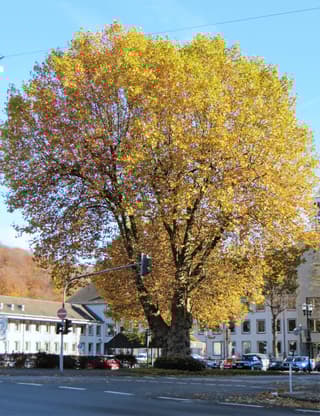
Platanus x hispanica
Canker on London Plane Tree: What to Know?
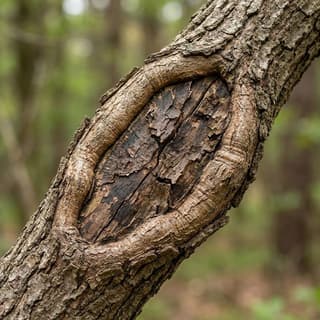
Canker on London Plane Tree (Platanus x hispanica) is a fungal condition with high severity. London Plane Tree has moderate susceptibility to this disease. Canker is a disease caused by various fungi and bacteria that create necrotic, sunken areas on bark of branches, stems, and trunks. Pathogens enter through wounds and natural openings, especially when...
London Plane Tree is a easy-care plant. Recovery from Canker takes approximately 90 days with proper treatment.
Unlike bacterial infections, Canker on London Plane Tree can be managed with organic fungicides.
🔍 What Does Canker Look Like on London Plane Tree?
- • Sunken, discolored lesions on bark
- • Oval to elongate dark areas on stems and branches
- • Bark splitting and cracking
- • Sap or resin oozing from infected areas
- • Blackened inner bark tissue
- • Progressive branch dieback beyond lesion
- • Wilting foliage above infection site
- • Small raised fruiting bodies on bark surface
- • Complete girdling of stems and branches
- • Yellowed, curled, or sparse foliage
❓ What Causes Canker on London Plane Tree?
- → Fungal infection by Cytospora, Phomopsis, Nectria, and Botryosphaeria genera
- → Bacterial infection by Pseudomonas syringae
- → Pathogen entry through pruning wounds, mechanical damage, or insect injuries
- → Plant stress from drought, transplanting, or winter damage
- → Extreme temperatures and adverse environmental conditions
- → Improper cultural practices weakening the plant
- → Bark wounds serving as entry points for pathogens
- → Poor species selection for local conditions
💊 How to Treat Canker on London Plane Tree?
TLDR: Treat Canker on London Plane Tree with quick treatment (~45 days) or organic (~90 days). London Plane Tree has moderate susceptibility to this disease.
Quick Fixes
Identify and mark all branches with canker
Use colored tape to mark affected areas
Prune infected branches 6-8 inches below lesion
Use sterilized tools; do on dry day
Immediately apply copper fungicide to wounds
Copper-based products are most effective
Dispose of all infected material in sealed trash
Do not leave on ground or compost
Spray systemic fungicide on entire plant
Thiophanate-methyl or propiconazole
Second systemic fungicide application
Follow label instructions
Inspect for new symptoms
Prune immediately if finding new cankers
Final evaluation and preventive application
Continue monthly monitoring
Organic Treatment
Carefully inspect entire plant identifying all cankers
Use flashlight to examine bark for sunken lesions
Prepare clean pruning tools and 70% alcohol for sterilization
Sharp pruning shears and saw for larger branches
Prune all infected branches 6-8 inches below visible lesion
Do on dry day; sterilize between cuts
Apply bordeaux paste to pruning wounds
Protects against reinfection
Dispose of infected material in sealed trash
Do not compost diseased material
Spray neem oil on entire plant
Apply in late afternoon; repeat every 14 days
Apply compost tea to soil around plant
Strengthens immune system
Second neem oil application
Continue biweekly for 2 months
Inspect for new cankers and prune if necessary
Monitor especially areas near old lesions
Evaluate overall health and adjust irrigation and fertilization
Reduce stress to prevent recurrence
Final inspection and preventive bordeaux mixture application
Apply before rainy periods
Continuously monitor and maintain proper cultural practices
Prevention is the best strategy
🛡️ How to Prevent Canker on London Plane Tree?
TLDR: Prevent Canker on London Plane Tree with 12 essential preventive care practices.
- ✓ Maintain plant vigor through proper planting, watering, and fertilization
- ✓ Select species and varieties adapted to local soil and climate conditions
- ✓ Avoid all unnecessary bark wounds
- ✓ Prune only when necessary and in dry conditions
- ✓ Sterilize pruning tools between each cut with 70% alcohol or bleach solution
- ✓ Apply mulch to maintain soil moisture and reduce stress
- ✓ Protect plants against winter damage and frost
- ✓ Remove dead or diseased branches promptly
- ✓ Avoid pruning when bark is wet to reduce spread
- ✓ Regularly inspect plants for early detection
- ✓ Minimize water stress through adequate irrigation during dry periods
- ✓ Apply balanced fertilizers to maintain overall plant health
🌱 How to Care for London Plane Tree to Prevent Canker?
💧 How to Water
Water newly planted trees deeply once a week for the first 1–2 years. Established trees need watering every 10 days during dry summers. Avoid waterlogging—ensure the planting site has good drainage to prevent root rot and canker diseases.
☀️ Lighting
Plant in a location with full sun (at least 6 hours of direct sunlight daily). The London Plane does not tolerate heavy shade and grows best when unobstructed by taller buildings or canopy. South or west-facing open sites are ideal.
🪴 Ideal Soil
Use rich, loamy, well-draining soil with a pH between 6.0 and 7.5. The London Plane tolerates clay and slightly alkaline soils but performs best in moist, fertile loam. Amend planting holes with organic compost to improve drainage and nutrient availability.
Frequently asked questions
Can Canker kill my London Plane Tree?
How long does London Plane Tree take to recover from Canker?
Is Canker contagious to other plants near London Plane Tree?
Sources & References
- Canker Diseases | The Morton Arboretum
- Canker - Prevention and Treatment
- Canker Diseases - UC IPM
- Canker | Description, Symptoms, & Control | Britannica
- Bacterial canker - RHS Advice
- Characteristics and care of Platanus x hispanica
- London Plane - Botanical Realm
- London Planetree - Morton Arboretum
- Sycamore Diseases & Insect Pests - Clemson
- London Planetree - American Gardener