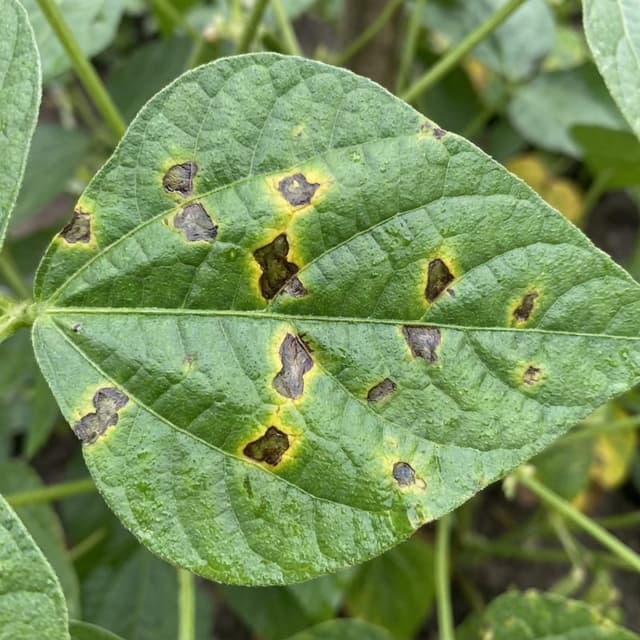
Bacterial Leaf Spot: Bacterial Infection | How to Treat
Bacterial leaf spot is a plant disease caused by bacteria in the Xanthomonas and Pseudomonas genera that affects various ornamental and edible plants. The bacteria infect leaves through wounds or natural openings, causing characteristic lesions that can lead to premature leaf drop and plant weakening.
Fast
14 days
What is Bacterial Leaf Spot?
Bacterial Leaf Spot is a bacterial condition with moderate severity that affects plants. Bacterial leaf spot is a plant disease caused by bacteria in the Xanthomonas and Pseudomonas genera that affects various ornamental and edible plants. The bacteria infect leaves through wounds or natural openings, causing characteristic lesions that can lead to premature leaf drop and plant weakenin...
Bacterial Leaf Spot is a bacterial disease with moderate severity that spreads at a fast rate. Recovery typically takes approximately 14 days with proper treatment. It affects 10 plant species in our database. This condition is contagious and can spread between plants.
Bacterial Leaf Spot has no effective chemical cure, unlike pests. Without removing affected parts, the infection spreads internally through the plant. Without isolation, nearby plants can become infected within days.
🔍 What Are the Symptoms of Bacterial Leaf Spot?
TLDR: Bacterial Leaf Spot presents 8 main symptoms. Early identification is crucial for effective treatment.
Main Symptoms
- ! Small water-soaked spots on leaves
- ! Brown or black lesions with yellow halos
- ! Spots usually uniform in size
- ! Black-edged lesions
- ! Spots enlarge and merge under wet conditions
- ! Leaf yellowing and wilting
- ! Premature leaf drop
- ! Foliage appears wet or greasy in affected areas
Visual Signs
❓ What Causes Bacterial Leaf Spot in Plants?
- → Infection by Xanthomonas campestris or Pseudomonas syringae bacteria
- → Wet and cool conditions (77-86°F / 25-30°C) favor bacterial growth
- → Water splashing spreads bacteria from leaf to leaf
- → Contaminated tools or dirty hands after handling infected plants
- → Bacteria surviving on plant debris in soil
- → Infected seeds or seedlings
- → Poor air circulation and high humidity
- → Overhead watering that wets foliage
💊 How to Treat Bacterial Leaf Spot?
TLDR: Treat Bacterial Leaf Spot with 7 days of quick treatment or 14 days of organic treatment. Full recovery takes approximately 14 days.
Quick Fixes
~7 days
Remove infected leaves
Remove infected leaves
Apply copper-based fungicide
Apply copper-based fungicide
Adjust environmental conditions
Adjust environmental conditions
Second fungicide application
Second fungicide application
Final assessment
Final assessment
Materials needed:
Organic Treatment
~14 days
Remove all infected leaves and destroy (do not compost)
Remove all infected leaves and destroy (do not compost)
Improve air circulation
Improve air circulation
First application of Bordeaux mixture
First application of Bordeaux mixture
Apply baking soda spray
Apply baking soda spray
Second application of Bordeaux mixture
Second application of Bordeaux mixture
Apply neem oil
Apply neem oil
Third application of Bordeaux mixture
Third application of Bordeaux mixture
Assess progress and maintain prevention
Assess progress and maintain prevention
Materials needed:
Expert Treatment
~21 days
Complete diagnosis and isolation
Complete diagnosis and isolation
Surgical removal of infected tissue
Surgical removal of infected tissue
First professional bactericide application
First professional bactericide application
Complete environmental adjustment
Complete environmental adjustment
Apply biostimulant
Apply biostimulant
Second bactericide application
Second bactericide application
Apply resistance inducer
Apply resistance inducer
Third bactericide application
Third bactericide application
Progress analysis and adjustments
Progress analysis and adjustments
Final preventive application
Final preventive application
Post-treatment monitoring
Post-treatment monitoring
Gradual reintegration
Gradual reintegration
Step by Step
- 1
1. Identify and remove all visibly infected leaves
- 2
2. Isolate infected plants from healthy ones
- 3
3. Improve ventilation around plant
- 4
4. Temporarily suspend foliar watering
- 5
5. Apply chosen treatment (organic or chemical) as directed
- 6
6. Repeat applications every 7-10 days if needed
- 7
7. Monitor daily for new spots
- 8
8. Continue treatment for 2-3 weeks after symptoms disappear
🧪 Natural vs Chemical: Which Treatment Works for Bacterial Leaf Spot?
🌱 Natural Solutions
- ✓ Remove and discard all infected leaves and parts
- ✓ Apply diluted garlic extract (3 cloves/liter of water)
- ✓ Use baking soda spray (1 tsp/liter + drops of mild soap)
- ✓ Apply neem oil (follow manufacturer instructions)
- ✓ Spray concentrated chamomile tea
- ✓ Use Bordeaux mixture (copper sulfate and lime mixture)
- ✓ Increase air circulation around plant
- ✓ Reduce humidity and avoid wetting leaves
- ✓ Apply organic compost to strengthen plant
💉 Chemical Solutions
- ✓ Copper-based fungicides (apply preventively)
- ✓ Specific commercial bactericides (follow label)
- ✓ Copper sulfate in appropriate formulations
- ✓ Products with copper oxychloride
- ✓ Preventive application is more effective than curative
- ✓ Always follow manufacturer recommended dosages
Treatment Comparison
| Type | Estimated time | Steps | Difficulty | Best For |
|---|---|---|---|---|
| ⚡Quick | ~7 days | 5 | Advanced | Urgent cases |
| 🌿Organic | ~14 days | 8 | Advanced | Indoor plants |
| 🔬Expert | ~21 days | 12 | Advanced | Severe infections |
🛡️ How to Prevent Bacterial Leaf Spot?
TLDR: Prevent Bacterial Leaf Spot with 10 essential care practices. Regular monitoring is key for early detection.
- ✓ Use certified disease-free seeds and seedlings
- ✓ Provide good air circulation between plants
- ✓ Avoid overhead watering; water at plant base
- ✓ Do not handle plants when foliage is wet
- ✓ Practice crop rotation (minimum 3 years)
- ✓ Remove and destroy infected leaves immediately
- ✓ Sterilize tools between uses with 70% alcohol
- ✓ Avoid excessive nitrogen fertilization
- ✓ Keep area free of plant debris
- ✓ Wash hands after handling diseased plants
🔗Related Diseases
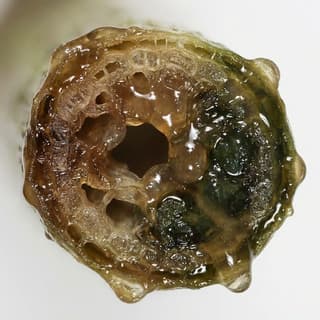
Bacterial Soft Rot
HighBacterial soft rot is a destructive plant disease caused primarily by bacteria from the genera Pectobacterium (formerly Erwinia) and Dickeya. These bacteria produce enzymes that break down plant cell walls, causing rapid and foul-smelling tissue decomposition. It mainly affects succulent tissues such as tubers, fruits, stems, and bulbs, being especially problematic in warm and humid conditions.
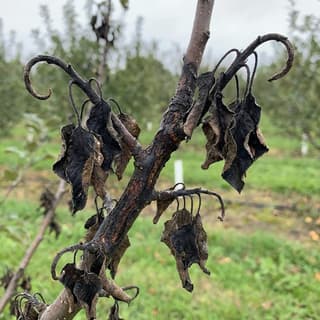
Fire Blight
CRITICALFire blight is a highly destructive and contagious bacterial disease caused by Erwinia amylovora. It primarily affects plants in the Rosaceae family, including apple, pear, quince trees, and various ornamental plants. The disease can destroy an entire orchard in a single growing season under ideal conditions, with the bacterium moving approximately 11 inches per week in new growth.
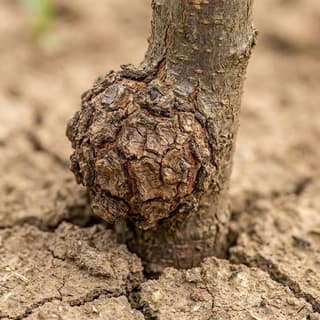
Crown Gall
HighCrown gall is a bacterial disease caused by Agrobacterium tumefaciens that affects over 140 species of plants. The bacteria insert DNA into plant cells, causing them to divide uncontrollably and form large tumor-like growths (galls) primarily on roots, stems, and at the soil line. These galls restrict water and nutrient flow, severely impacting plant health and potentially killing the plant.
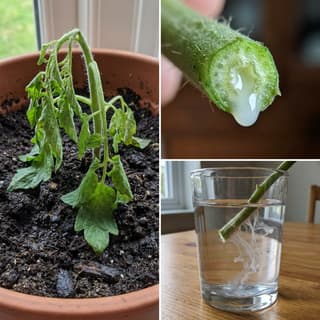
Bacterial Wilt
CRITICALBacterial wilt is a fatal vascular disease caused by bacteria (Erwinia tracheiphila, Ralstonia solanacearum, Xanthomonas spp.) that infects the water-conducting tissue of plants. The bacteria multiply and block the flow of water and nutrients, causing rapid wilting and plant death within 1-2 weeks.
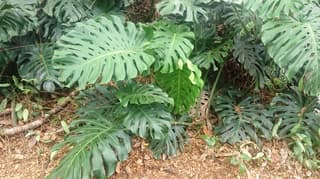
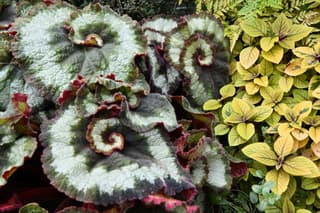
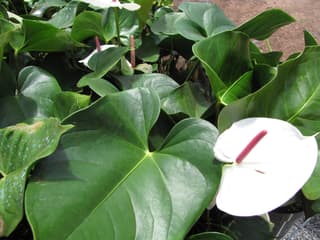
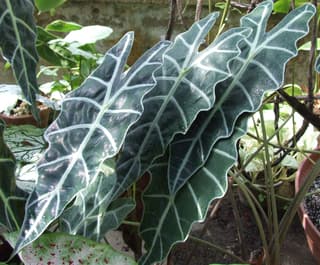
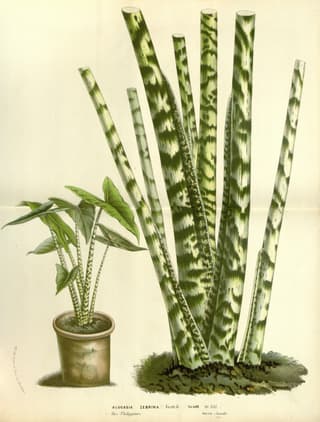
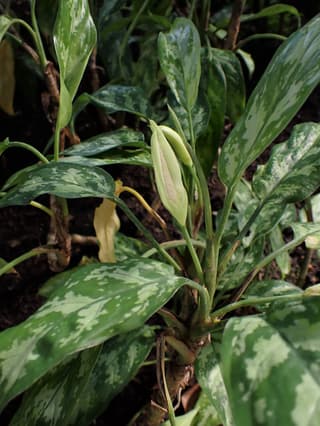
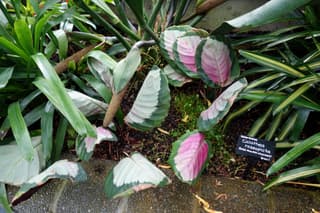
🌿 Which Plants Are Most Affected by Bacterial Leaf Spot?
Sources & References
- Bacterial Leaf Spot Disease - What Causes Bacterial Leaf Spot | Gardening Know How
- Bacterial Leaf Spot: Identify, Prevent and Treat it
- Bacterial and Fungal Leaf Spot | Planet Natural
- Bacterial spot of tomato and pepper | UMN Extension
- Bacterial Leaf Spot on Greenhouse Ornamentals | NC State Extension