Common Fig with Alternaria Leaf Spot? Rare but Treatable
Ficus carica
Alternaria Leaf Spot on Common Fig: What to Know?
Alternaria Leaf Spot on Common Fig (Ficus carica) is a fungal condition with high severity. Common Fig has low susceptibility to this disease. Alternaria leaf spot is a common fungal disease caused by Alternaria solani and Alternaria alternata that affects a wide range of plants including tomatoes, potatoes, brassicas, and ornamentals. The d...
Common Fig is a medium-care plant. Recovery from Alternaria Leaf Spot takes approximately 28 days with proper treatment. As an indoor plant, ensure good ventilation to aid recovery.
Unlike most plants, Common Fig has natural resistance to Alternaria Leaf Spot. Best treated with preventive measures rather than reactive treatment. Unlike bacterial infections, Alternaria Leaf Spot on Common Fig can be managed with organic fungicides. Without precautions, chemical treatments for Alternaria Leaf Spot can be harmful to pets. Use organic methods for Common Fig in pet-friendly homes.
🔍 What Does Alternaria Leaf Spot Look Like on Common Fig?
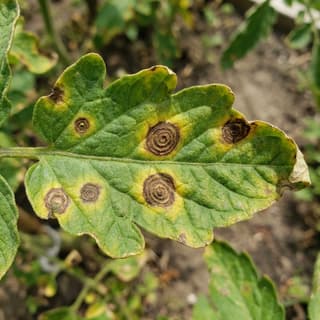
- • Small dark circular spots (0.5-0.75 inches diameter) on leaves
- • Concentric rings forming target-like patterns
- • Spots change from black to tan/gray with yellow halos
- • Fuzzy texture develops as fungus produces spores
- • Premature leaf wilting and drop
- • Brown or black spots on fruits and stems
- • Weakened plants and reduced vigor
❓ What Causes Alternaria Leaf Spot on Common Fig?
- → Fungal pathogens Alternaria solani and Alternaria alternata
- → Warm temperatures (60-80°F) with high humidity
- → Overhead watering creating prolonged leaf wetness
- → Dense plant spacing limiting air circulation
- → Plant stress from nutrient deficiency or drought
- → Overwintering spores on plant debris
- → Contaminated seeds carrying fungal spores
💊 How to Treat Alternaria Leaf Spot on Common Fig?
TLDR: Treat Alternaria Leaf Spot on Common Fig with quick treatment (~14 days) or organic (~28 days). Common Fig has low susceptibility to this disease.
Quick Fixes
Step 1
Remove heavily infected leaves immediately
Step 2
Apply chlorothalonil or mancozeb protectant fungicide to all plant surfaces
Step 3
Ensure thorough coverage including leaf undersides
Step 4
Reapply every 7 days or after rain
Step 5
Switch to azoxystrobin systemic fungicide after 2 applications for resistance management
Step 6
Continue treatment for 2 weeks after symptoms clear
Organic Treatment
Step 1
Remove all visible infected leaves and plant debris, dispose in sealed bags
Step 2
Apply Bacillus subtilis biological fungicide spray, covering all leaf surfaces thoroughly
Step 3
Spray copper fungicide (organic-approved copper hydroxide or oxychloride) on remaining foliage
Step 4
Apply straw mulch around plant base to prevent soil splash
Step 5
Reapply biological spray every 5-7 days
Step 6
Reapply copper spray every 7-10 days
Step 7
Continue monitoring and treatment for 3-4 weeks
🛡️ How to Prevent Alternaria Leaf Spot on Common Fig?
TLDR: Prevent Alternaria Leaf Spot on Common Fig with 8 essential preventive care practices.
- ✓ Remove and destroy infected plant debris immediately
- ✓ Practice 3-4 year crop rotation with non-host plants
- ✓ Space plants properly for good air circulation
- ✓ Water at soil level, avoid overhead irrigation
- ✓ Apply straw mulch immediately after planting
- ✓ Use certified disease-free seeds and transplants
- ✓ Avoid working with wet plants to prevent spore spread
- ✓ Maintain plant health through proper fertilization
🌱 How to Care for Common Fig to Prevent Alternaria Leaf Spot?
💧 How to Water
Water every 7 days during spring and summer, allowing the soil to dry slightly between waterings. In winter (after leaf drop) reduce watering significantly. Avoid waterlogging — fig roots are sensitive to standing water.
☀️ Lighting
Plant in full sun with at least 6-8 hours of direct light daily. Direct sunlight is essential for fruit production and healthy growth. It can tolerate partial shade but fruiting will be greatly reduced.
🪴 Ideal Soil
Prefers well-draining, slightly acidic to neutral soil (pH 6.0–7.0). Mix coarse sand or perlite into potting mix to ensure good drainage. Enrich with organic compost annually.