Pinaceae
Ponderosa Pine: Full Sun Plant
Pinus ponderosa
Thrives in full sun and well-drained soil. It is exceptionally hardy and drought-tolerant once established, making it ideal for large landscapes in temperate climates.
Every 14 days
Direct sun
-40° - 38°C
30% - 50%
Categories
What is Ponderosa Pine?
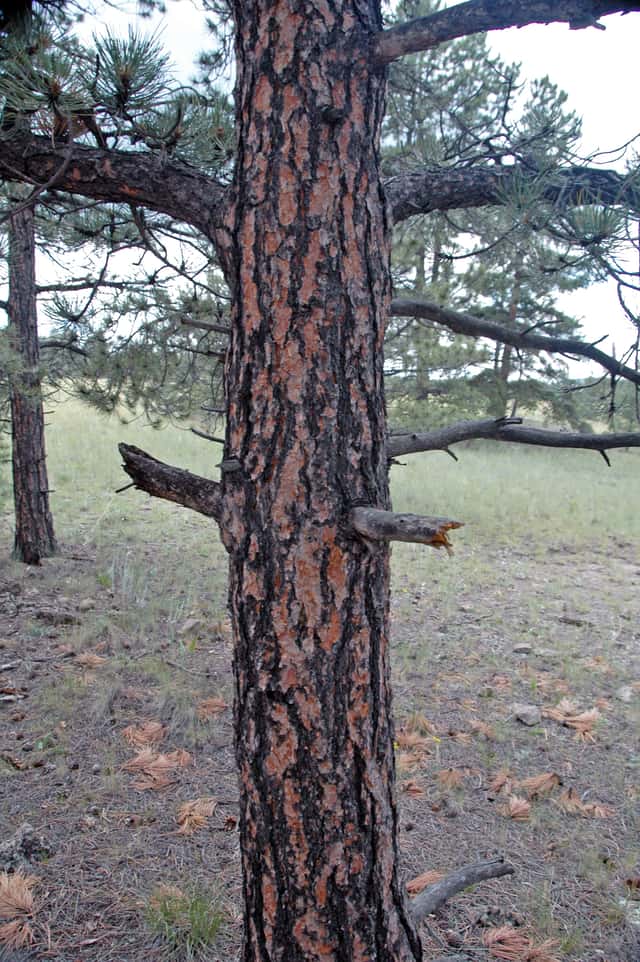
Ponderosa Pine (Pinus ponderosa) is a easy-care plant from the Pinaceae family. The Ponderosa Pine is a massive, iconic conifer of the American West. It is easily recognized by its long, dark-green needles that grow in bundles of three and its thick, plate-like bark that develops a beautiful orange-brown hue and a scent reminiscent of vanilla or butterscotch as the tree matures...
Ponderosa Pine grows up to 38.1m, spread of 900cm, watering every 14 days, -40°C – 38°C, 30–50% humidity. It is not suitable for indoor environments and safe for pets.
Unlike many tropical plants, Ponderosa Pine tolerates watering mistakes. Best for beginners. Unlike many popular species, Ponderosa Pine is safe to keep around pets.
How to Care for Ponderosa Pine?
TLDR: Ponderosa Pine needs Direct sun, watering every 14 days, and temperatures between -40-38°C with 30-50% humidity.
How Often Should You Water Ponderosa Pine?
Water young trees regularly for the first two years. Mature trees are highly drought-resistant and rarely need supplemental water.
How Much Light Does Ponderosa Pine Need?
Requires full, direct sunlight for at least 6-8 hours a day. It will not tolerate significant shade.
What Is the Best Soil for Ponderosa Pine?
Prefers slightly acidic, well-draining loamy or sandy soils. Avoid heavy clay that retains too much moisture.
What Pot Should You Use for Ponderosa Pine?
Not suitable for standard pots; requires deep ground soil for its extensive taproot system.
Care Schedule
Fertilize
Every 365 days
What Is Ponderosa Pine and Where Does It Come From?
The Ponderosa Pine is a massive, iconic conifer of the American West. It is easily recognized by its long, dark-green needles that grow in bundles of three and its thick, plate-like bark that develops a beautiful orange-brown hue and a scent reminiscent of vanilla or butterscotch as the tree matures.
How to Propagate Ponderosa Pine?
Seed Propagation
- Keep the soil moist but not waterlogged during germination
- Protect young seedlings from extreme heat and birds
- 1 Seed Collection
Collect seeds from mature, brown cones in late summer or fall.
- 2 Stratification
Cold-stratify seeds in a refrigerator for 60-90 days to simulate winter conditions.
- 3 Sowing
Plant seeds in a well-draining sandy mix, barely covering them with soil.
Materials needed:
How Big Does Ponderosa Pine Grow?
TLDR: Ponderosa Pine can reach up to 38.1m tall with Medium growth rate.
Max height
38.1m
Spread
9.0m
Growth rate
Medium
Foliage
Evergreen
Plant Uses
Ornamental
Great for decoration
Medicinal Uses
- Needle tea is high in Vitamin C
- Resin used topically for skin irritations and as an antiseptic
Culinary Uses
- Pine nuts (seeds) are edible and nutritious
- Inner bark was historically used as a survival food source
Is your plant showing symptoms?
Click on the symptom to discover possible causes:
What Diseases Commonly Affect Ponderosa Pine?
TLDR: Ponderosa Pine is susceptible to 5 known diseases. Monitor regularly for early detection.
Root Rot
Root rot is a serious fungal disease that affects the root system of plants, causing them to decay and die. It is primarily caused by overwatering, poor drainage, or soil-borne fungi such as Pythium, Phytophthora, Rhizoctonia, and Fusarium. The disease thrives in waterlogged conditions where roots are deprived of oxygen, making them susceptible to fungal infection.
Rust
Rust is a common fungal disease caused by fungi in the order Pucciniales that affects a wide variety of plants. The disease gets its name from the characteristic orange, yellow, or reddish-brown pustules that appear on leaves, resembling metal rust. This obligate fungal parasite requires living plants to survive and can cause significant economic losses in agricultural crops.
Spider Mites
Spider mites are tiny arachnids (less than 1/20 inch long) related to spiders and ticks that feed on plant sap. They thrive in hot, dry conditions and can cause significant damage to ornamental and vegetable plants. During severe infestations, crop losses can reach 14% or higher as these pests disrupt vital plant processes including photosynthesis, carbon dioxide absorption, and transpiration.
Scale Insects
Scale insects are small sap-sucking pests that appear as brown, shell-like bumps on plant stems and leaves. There are over 25 species, divided into armored (hard) and unarmored (soft) scales. They feed by piercing plant tissue and extracting sap, which weakens the plant and can lead to yellowing, stunted growth, and even death if left untreated. They also excrete honeydew, which attracts ants and promotes sooty mold growth.
Meaning & Symbolism
Symbolizes strength, endurance, and the rugged spirit of the Western frontier.
Compare with similar plants
| Attribute | Difficulty | Light | Watering | Pet Safe |
|---|---|---|---|---|
| Field Maple | Easy | Bright indirect | 14d | ✓ |
| Silver Birch | Easy | Direct sun | 14d | ✓ |
| Common Blanketflower | Easy | Direct sun | 10d | ✓ |
| Cushion Bush | Easy | Direct sun | 14d | ✓ |





