Fabaceae
Leadtree: Edible Plant
Leucaena leucocephala
Very low-maintenance plant, ideal for sunny outdoor areas. Extremely drought-resistant once established.
Every 12 days
Direct sun
0° - 35°C
40% - 80%
Categories
What is Leadtree?
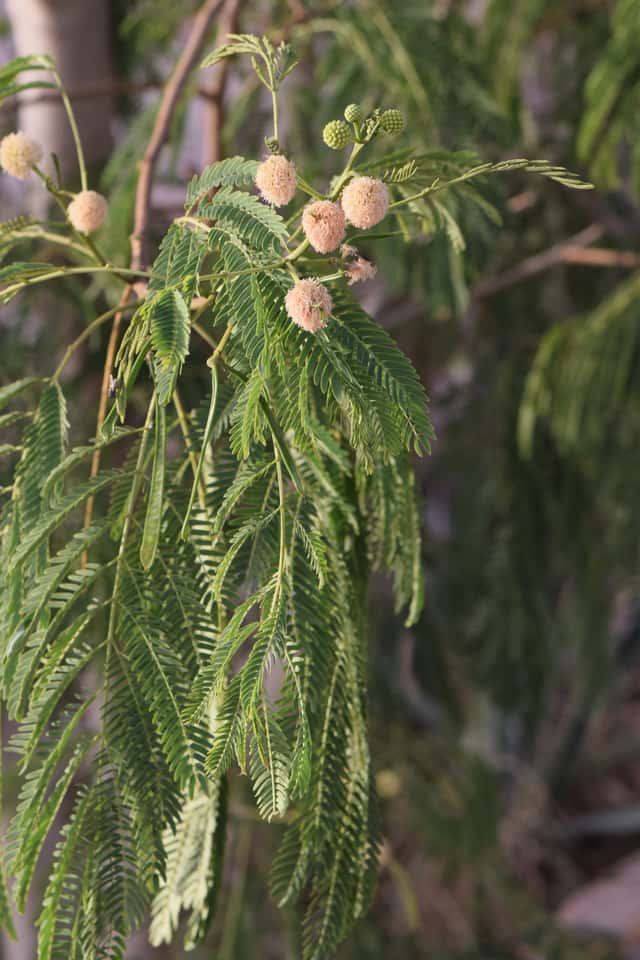
Leadtree (Leucaena leucocephala) is a easy-care plant from the Fabaceae family. Leucaena leucocephala is an extremely fast-growing leguminous tree native to Mexico and Central America. It is widely recognized for its delicate, feathery foliage, white globular flowers, and long seed pods. It is a valuable pioneer species for reclaiming degraded soils due to its nitrogen-fixing a...
Leadtree grows up to 15.0m, spread of 500cm, watering every 12 days, 0°C – 35°C, 40–80% humidity. It is not suitable for indoor environments and not safe for pets.
Unlike many tropical plants, Leadtree tolerates watering mistakes. Best for beginners. Without precautions, ingestion can cause irritation in pets. Keep out of reach of cats and dogs.
How to Care for Leadtree?
TLDR: Leadtree needs Direct sun, watering every 12 days, and temperatures between 0-35°C with 40-80% humidity.
How Often Should You Water Leadtree?
Keep the soil moist only during the first year. Once established, the plant can withstand long periods without water.
How Much Light Does Leadtree Need?
This species requires full sun to thrive; it does not grow well in shaded or indoor environments.
What Is the Best Soil for Leadtree?
While it tolerates poor soils, avoid excessively acidic soils (pH below 5.0) to ensure vigorous growth.
What Pot Should You Use for Leadtree?
Not recommended for long-term container growth due to its deep taproot; direct planting in the ground is preferred.
Care Schedule
Fertilize
Every 90 days
What Is Leadtree and Where Does It Come From?
Leucaena leucocephala is an extremely fast-growing leguminous tree native to Mexico and Central America. It is widely recognized for its delicate, feathery foliage, white globular flowers, and long seed pods. It is a valuable pioneer species for reclaiming degraded soils due to its nitrogen-fixing ability, although it can become invasive in tropical climates if not properly managed.
How to Propagate Leadtree?
Sowing
- Scarification drastically increases the germination rate.
- Avoid excessively acidic soils during the seedling stage.
- 1 Scarification
Lightly sand the seed coat or soak in hot (not boiling) water for 2 minutes to break dormancy.
- 2 Planting
Sow in light soil or seedling bags at a depth of 1 to 2 cm.
- 3 Initial Watering
Keep the substrate constantly moist, but not waterlogged, until the seedlings reach 20 cm.
Materials needed:
How Big Does Leadtree Grow?
TLDR: Leadtree can reach up to 15.0m tall with Fast growth rate.
Max height
15.0m
Spread
5.0m
Growth rate
Fast
Foliage
Evergreen
Warning: Toxic Plant
This plant can be toxic if ingested. Keep out of reach of:
Plant Uses
Ornamental
Great for decoration
Medicinal
Medicinal properties
Edible
Can be consumed
Medicinal Uses
- Use of roots as a dewormer
- Bark used to relieve inflammation
Culinary Uses
- Young pods consumed as a vegetable
- Roasted seeds used as a coffee substitute
Is your plant showing symptoms?
Click on the symptom to discover possible causes:
What Diseases Commonly Affect Leadtree?
TLDR: Leadtree is susceptible to 10 known diseases. Monitor regularly for early detection.
Root Rot
Root rot is a serious fungal disease that affects the root system of plants, causing them to decay and die. It is primarily caused by overwatering, poor drainage, or soil-borne fungi such as Pythium, Phytophthora, Rhizoctonia, and Fusarium. The disease thrives in waterlogged conditions where roots are deprived of oxygen, making them susceptible to fungal infection.
Phytophthora Root Rot
Disease caused by fungus-like organisms (oomycetes) that live in soil and can survive for years. It affects roots, stem, and crown of plants, being especially severe in waterlogged or poorly drained soils. It is the second most common cause of root rot in trees and shrubs.
Canker
Canker is a disease caused by various fungi and bacteria that create necrotic, sunken areas on bark of branches, stems, and trunks. Pathogens enter through wounds and natural openings, especially when plants are stressed. Canker can gradually weaken or kill branches by disrupting water and nutrient flow.
Anthracnose
Anthracnose is a fungal disease caused by fungi in the genus Colletotrichum that affects many plants, including vegetables, fruits, and trees. The disease thrives in cool, wet conditions, causing dark, sunken lesions on leaves, stems, flowers, and fruits.
Meaning & Symbolism
Represents resilience and the earth's capacity for regeneration.
Compare with similar plants
| Attribute | Difficulty | Light | Watering | Pet Safe |
|---|---|---|---|---|
| Field Maple | Easy | Bright indirect | 14d | ✓ |
| Silver Birch | Easy | Direct sun | 14d | ✓ |
| Common Blanketflower | Easy | Direct sun | 10d | ✓ |
| Cushion Bush | Easy | Direct sun | 14d | ✓ |





