Asparagaceae
Hosta: Ground Cover Plant
Hosta
Hostas are low-maintenance perennials that thrive in shaded areas with moist, organic-rich soil. They are extremely cold-hardy but require protection from slugs and snails.
Every 7 days
Low light
-34° - 32°C
30% - 60%
Categories
What is Hosta?
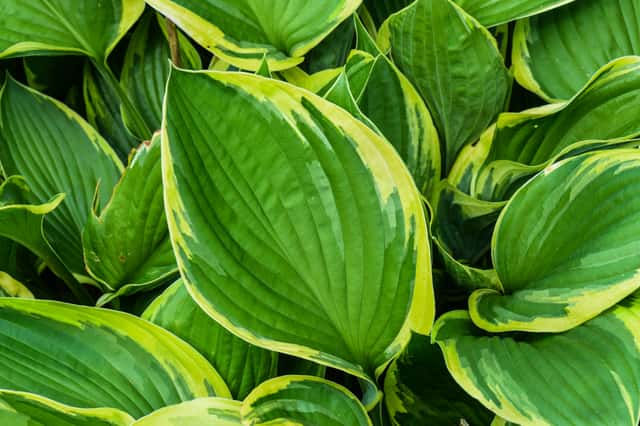
Hosta (Hosta) is a easy-care plant from the Asparagaceae family. Hostas are a genus of plants commonly known as plantain lilies. They are widely cultivated as shade-tolerant foliage plants. Their leaves come in a wide range of shapes, sizes, and colors, including shades of green, blue, and gold, often with variegated patterns. While grown primarily for their foli...
Hosta grows up to 90cm, spread of 120cm, watering every 7 days, -34°C – 32°C, 30–60% humidity. It is not suitable for indoor environments and not safe for pets.
Unlike many tropical plants, Hosta tolerates watering mistakes. Best for beginners. Without precautions, ingestion can cause irritation in pets. Keep out of reach of cats and dogs.
How to Care for Hosta?
TLDR: Hosta needs Low light, watering every 7 days, and temperatures between -34-32°C with 30-60% humidity.
How Often Should You Water Hosta?
Water at the base of the plant to keep the foliage dry, which helps prevent fungal diseases and slug attraction.
How Much Light Does Hosta Need?
Deep shade is best for most varieties, though gold-leaved types can handle more morning sun to enhance their color.
What Is the Best Soil for Hosta?
Incorporate plenty of leaf mold or well-rotted manure to provide the rich, moisture-retentive environment they love.
What Pot Should You Use for Hosta?
Large, heavy ceramic or plastic pots with excellent drainage to accommodate the wide root system.
Care Schedule
Fertilize
Every 30 days
What Is Hosta and Where Does It Come From?
Hostas are a genus of plants commonly known as plantain lilies. They are widely cultivated as shade-tolerant foliage plants. Their leaves come in a wide range of shapes, sizes, and colors, including shades of green, blue, and gold, often with variegated patterns. While grown primarily for their foliage, they produce elegant spikes of bell-shaped flowers in the summer.
How to Propagate Hosta?
Crown Division
- Divide in early spring when the 'eyes' first emerge from the soil
- Keep the new divisions well-watered until established
- 1 Lift the Plant
Dig around the entire clump and lift the root ball out of the ground using a garden fork or shovel.
- 2 Clean and Inspect
Wash away excess soil to clearly see the crown and the individual 'eyes' or growing points.
- 3 Divide the Crown
Use a sharp, sterilized knife or spade to cut the clump into sections, ensuring each section has at least 2-3 eyes and a healthy portion of roots.
- 4 Replant
Plant the new divisions immediately at the same depth they were previously growing and water thoroughly.
Materials needed:
How Big Does Hosta Grow?
TLDR: Hosta can reach up to 90cm tall with Slow growth rate.
Max height
90cm
Spread
1.2m
Growth rate
Slow
Foliage
Deciduous
Warning: Toxic Plant
This plant can be toxic if ingested. Keep out of reach of:
Plant Uses
Ornamental
Great for decoration
Ground Cover
Soil coverage
Culinary Uses
- Young shoots (known as urui) are edible when boiled or fried
- Flowers are sometimes used as an edible garnish
Is your plant showing symptoms?
Click on the symptom to discover possible causes:
What Diseases Commonly Affect Hosta?
TLDR: Hosta is susceptible to 11 known diseases. Monitor regularly for early detection.
Slugs and Snails
Slugs and snails are mollusks that feed on plant tissue, causing irregular holes in leaves and damage to young seedlings. They are most active at night and in moist conditions, leaving characteristic silvery slime trails. These pests can quickly devastate gardens, especially during wet seasons.
Anthracnose
Anthracnose is a fungal disease caused by fungi in the genus Colletotrichum that affects many plants, including vegetables, fruits, and trees. The disease thrives in cool, wet conditions, causing dark, sunken lesions on leaves, stems, flowers, and fruits.
Crown Rot
Crown rot is a serious fungal disease that attacks the crown (base) of the plant where the stem meets the soil. It is caused by various fungal pathogens including Phytophthora, Fusarium, and Rhizoctonia. The disease thrives in waterlogged conditions and can quickly spread to kill the entire plant if not addressed promptly.
Southern Blight
Southern blight is a devastating soilborne fungal disease caused by Athelia rolfsii (formerly Sclerotium rolfsii), affecting over 500 plant species including vegetables, ornamentals, and fruit crops. The fungus survives in soil through resting structures called sclerotia that resemble mustard seeds and can remain viable for years.
Meaning & Symbolism
Represents devotion, friendship, and quiet endurance.
Compare with similar plants
| Attribute | Difficulty | Light | Watering | Pet Safe |
|---|---|---|---|---|
| Field Maple | Easy | Bright indirect | 14d | ✓ |
| Silver Birch | Easy | Direct sun | 14d | ✓ |
| Common Blanketflower | Easy | Direct sun | 10d | ✓ |
| Cushion Bush | Easy | Direct sun | 14d | ✓ |





