Convolvulaceae
Common Morning Glory (Ipomoea purpurea)
Ipomoea purpurea
Easy-to-grow annual vine requiring full sun, weekly watering, and well-drained soil. Grows rapidly and blooms from summer through fall. Ideal for covering vertical structures in outdoor gardens and patios.
Every 7 days
Direct sun
15° - 35°C
30% - 50%
Categories
What is Common Morning Glory?
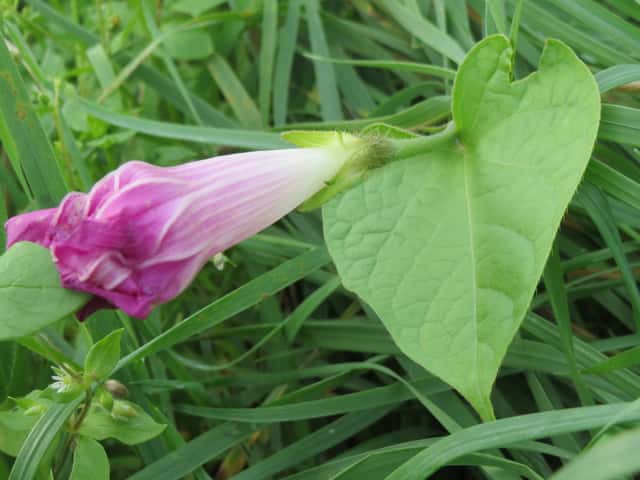
Common Morning Glory (Ipomoea purpurea) is a easy-care plant from the Convolvulaceae family. Common Morning Glory (Ipomoea purpurea) is a fast-growing annual vine native to Mexico and Central America. It produces trumpet-shaped flowers in shades of purple, pink, white, and blue that open at dawn and close by midday, creating a brief but spectacular daily display. Its twining stems can reach...
Common Morning Glory grows up to 3.0m, spread of 150cm, watering every 7 days, 15°C – 35°C, 30–50% humidity. It is not suitable for indoor environments and not safe for pets.
Unlike many tropical plants, Common Morning Glory tolerates watering mistakes. Best for beginners. Without precautions, ingestion can cause irritation in pets. Keep out of reach of cats and dogs.
How to Care for Common Morning Glory?
TLDR: Common Morning Glory needs Direct sun, watering every 7 days, and temperatures between 15-35°C with 30-50% humidity.
How Often Should You Water Common Morning Glory?
Water once per week during the growing season. Allow the soil to dry slightly between waterings. Avoid waterlogging as roots are susceptible to rot in compacted or poorly drained soil.
How Much Light Does Common Morning Glory Need?
Requires at least 6-8 hours of direct sunlight daily for abundant flowering. In partial shade the plant grows but blooms poorly. Position it in a south or east-facing location to maximize sun exposure.
What Is the Best Soil for Common Morning Glory?
Prefers well-drained, slightly sandy soil with a pH between 6.0 and 7.5. It actually blooms better in moderately fertile soil; soil too rich in nitrogen produces lush foliage but few flowers.
What Pot Should You Use for Common Morning Glory?
Large terracotta or ceramic pot with drainage holes. If growing in a container, choose a pot at least 30 cm deep to allow root development and provide a trellis or support structure.
Care Schedule
Fertilize
Every 30 days
What Is Common Morning Glory and Where Does It Come From?
Common Morning Glory (Ipomoea purpurea) is a fast-growing annual vine native to Mexico and Central America. It produces trumpet-shaped flowers in shades of purple, pink, white, and blue that open at dawn and close by midday, creating a brief but spectacular daily display. Its twining stems can reach up to 10 feet (3 meters) in height, covering fences, pergolas, and walls with lush green foliage.
How to Propagate Common Morning Glory?
Seed sowing
Seeds germinate best with soil temperatures between 18-21°C. Do not transplant as morning glory does not tolerate root disturbance; sow directly in its final location.
- 1 Scarify seeds with fine sandpaper to break the hard seed coat
- 2 Soak seeds in warm water for 12-24 hours before sowing
- 3 Sow directly in outdoor soil after the last frost, 1-2 cm deep
- 4 Keep the substrate moist until germination occurs in 5-10 days
- 5 Thin seedlings to 30 cm apart once they reach 10 cm tall
Materials needed:
How Big Does Common Morning Glory Grow?
TLDR: Common Morning Glory can reach up to 3.0m tall with Fast growth rate.
Max height
3.0m
Spread
1.5m
Growth rate
Fast
Foliage
Deciduous
Warning: Toxic Plant
This plant can be toxic if ingested. Keep out of reach of:
Plant Uses
Ornamental
Great for decoration
Is your plant showing symptoms?
Click on the symptom to discover possible causes:
What Diseases Commonly Affect Common Morning Glory?
TLDR: Common Morning Glory is susceptible to 10 known diseases. Monitor regularly for early detection.
Powdery Mildew
Powdery mildew is a common fungal disease caused by various fungi species including Erysiphe, Podosphaera, Oïdium, and Leveillula. It affects over 10,000 plant species worldwide. The disease thrives in warm, dry climates with high humidity and appears as a distinctive white powdery coating on plant surfaces.
Root Rot
Root rot is a serious fungal disease that affects the root system of plants, causing them to decay and die. It is primarily caused by overwatering, poor drainage, or soil-borne fungi such as Pythium, Phytophthora, Rhizoctonia, and Fusarium. The disease thrives in waterlogged conditions where roots are deprived of oxygen, making them susceptible to fungal infection.
Aphids
Aphids are small, soft-bodied, pear-shaped insects (1/16 to 1/8 inch long) that feed by sucking nutrient-rich sap from plants. They reproduce rapidly and can quickly weaken plants, causing distorted growth and transmitting plant viruses. Aphids come in various colors including green, black, red, yellow, brown, and gray. They secrete honeydew, a sticky substance that attracts ants and encourages sooty mold growth.
Spider Mites
Spider mites are tiny arachnids (less than 1/20 inch long) related to spiders and ticks that feed on plant sap. They thrive in hot, dry conditions and can cause significant damage to ornamental and vegetable plants. During severe infestations, crop losses can reach 14% or higher as these pests disrupt vital plant processes including photosynthesis, carbon dioxide absorption, and transpiration.
Meaning & Symbolism
Symbol of fleeting love and ephemeral beauty. Its flowers, lasting only a few hours, represent the transience of happy moments and the importance of appreciating the present.
Fun Facts
Its flowers last only a few hours, opening at dawn and closing by midday.
It can climb up to 3 meters in a single growing season.
Morning glory seeds contain hallucinogenic alkaloids similar to LSD.
It attracts hummingbirds, butterflies, and bumblebees with its abundant nectar.
Frequently asked questions
How often should I water Morning Glory?
Is Morning Glory toxic?
When does Morning Glory bloom?
Can it be grown in a pot?
How do I prevent it from spreading too much?
Compare with similar plants
| Attribute | Difficulty | Light | Watering | Pet Safe |
|---|---|---|---|---|
| Field Maple | Easy | Bright indirect | 14d | ✓ |
| Silver Birch | Easy | Direct sun | 14d | ✓ |
| Common Blanketflower | Easy | Direct sun | 10d | ✓ |
| Cushion Bush | Easy | Direct sun | 14d | ✓ |





