Apocynaceae
Balloon Plant: Complete Growing Guide
Asclepias physocarpa
Low-maintenance plant that thrives in full sun with well-drained soil. Drought tolerant once established; water every 7 days during dry spells. Apply balanced fertilizer in spring. May need annual pruning to maintain shape and encourage bushy growth.
Every 7 days
Direct sun
-1° - 35°C
40% - 70%
Categories
What is Balloon Plant?
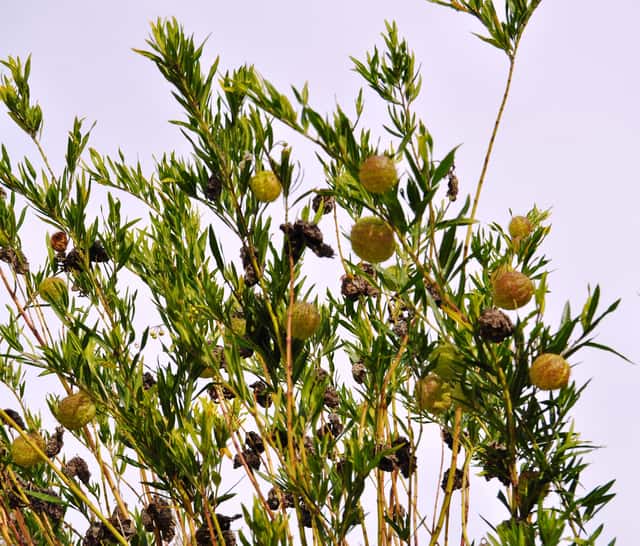
Balloon Plant (Asclepias physocarpa) is a easy-care plant from the Apocynaceae family. Asclepias physocarpa, commonly known as Balloon Plant or Swan Plant, is a fast-growing perennial shrub native to South Africa. It is celebrated for its distinctive inflated, bristly seed pods that resemble balloons or swan heads, and for its small, fragrant white flowers that bloom in summer. A vita...
Balloon Plant grows up to 1.8m, spread of 90cm, watering every 7 days, -1°C – 35°C, 40–70% humidity. It is not suitable for indoor environments and not safe for pets.
Unlike many tropical plants, Balloon Plant tolerates watering mistakes. Best for beginners. Without precautions, ingestion can cause irritation in pets. Keep out of reach of cats and dogs.
How to Care for Balloon Plant?
TLDR: Balloon Plant needs Direct sun, watering every 7 days, and temperatures between -1-35°C with 40-70% humidity.
How Often Should You Water Balloon Plant?
Water every 7 days during dry periods. Once established, the plant is drought tolerant and rarely needs supplemental irrigation in humid climates. Avoid waterlogging the soil.
How Much Light Does Balloon Plant Need?
Requires full sun (at least 6 hours of direct sunlight per day) for best growth and pod production. Will grow in partial shade but with reduced vigor and fewer pods.
What Is the Best Soil for Balloon Plant?
Prefers well-drained, fertile soil enriched with organic matter. Adapts to sandy, clay, loam, and chalky soils. Tolerates a wide pH range from 6.0 to 8.0.
What Pot Should You Use for Balloon Plant?
If growing in containers, use large pots (at least 30 cm diameter) with excellent drainage. Terracotta or fabric pots work well.
Care Schedule
Fertilize
Every 90 days
What Is Balloon Plant and Where Does It Come From?
Asclepias physocarpa, commonly known as Balloon Plant or Swan Plant, is a fast-growing perennial shrub native to South Africa. It is celebrated for its distinctive inflated, bristly seed pods that resemble balloons or swan heads, and for its small, fragrant white flowers that bloom in summer. A vital host plant for monarch butterflies, it is beloved by gardeners and conservationists alike.
How Big Does Balloon Plant Grow?
TLDR: Balloon Plant can reach up to 1.8m tall with Medium growth rate.
Max height
1.8m
Spread
90cm
Growth rate
Medium
Foliage
Evergreen
Warning: Toxic Plant
This plant can be toxic if ingested. Keep out of reach of:
Plant Uses
Ornamental
Great for decoration
Is your plant showing symptoms?
Click on the symptom to discover possible causes:
What Diseases Commonly Affect Balloon Plant?
TLDR: Balloon Plant is susceptible to 2 known diseases. Monitor regularly for early detection.
Aphids
Aphids are small, soft-bodied, pear-shaped insects (1/16 to 1/8 inch long) that feed by sucking nutrient-rich sap from plants. They reproduce rapidly and can quickly weaken plants, causing distorted growth and transmitting plant viruses. Aphids come in various colors including green, black, red, yellow, brown, and gray. They secrete honeydew, a sticky substance that attracts ants and encourages sooty mold growth.
Powdery Mildew
Powdery mildew is a common fungal disease caused by various fungi species including Erysiphe, Podosphaera, Oïdium, and Leveillula. It affects over 10,000 plant species worldwide. The disease thrives in warm, dry climates with high humidity and appears as a distinctive white powdery coating on plant surfaces.
Meaning & Symbolism
Symbolizes transformation, resilience, and freedom — the wind-dispersed seeds represent life cycles and letting go.
Fun Facts
The inflated seed pods of the Balloon Plant are prized in floral arrangements and craft projects worldwide.
This plant is one of the key host plants for the endangered monarch butterfly (Danaus plexippus), supporting their complete life cycle.
The milky latex sap contains cardenolides that make monarch butterflies that feed on it toxic and distasteful to predators.
Despite being called Asclepias physocarpa, the plant was reclassified as Gomphocarpus physocarpus in 2001, though its original name remains widely used.
Frequently asked questions
Is the Balloon Plant toxic to pets?
Can I grow Balloon Plant in a container?
How long does it take Balloon Plant to flower from seed?
Does Balloon Plant attract monarch butterflies?
How do I propagate Balloon Plant?
Compare with similar plants
| Attribute | Difficulty | Light | Watering | Pet Safe |
|---|---|---|---|---|
| Field Maple | Easy | Bright indirect | 14d | ✓ |
| Silver Birch | Easy | Direct sun | 14d | ✓ |
| Common Blanketflower | Easy | Direct sun | 10d | ✓ |
| Cushion Bush | Easy | Direct sun | 14d | ✓ |





