Euphorbiaceae
Asthma-plant: Ground Cover Plant
Euphorbia hirta
An extremely resilient plant that thrives in bright light and well-draining soil. It requires minimal intervention but should be handled with gloves to avoid skin irritation from its sap.
Every 5 days
Bright indirect
21° - 35°C
30% - 50%
Categories
What is Asthma-plant?
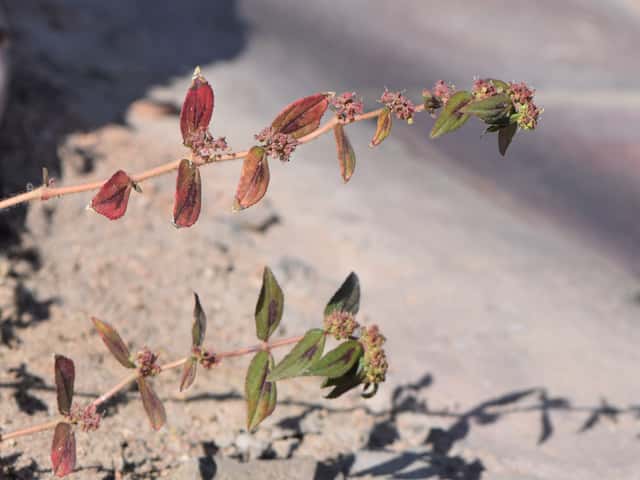
Asthma-plant (Euphorbia hirta) is a easy-care plant from the Euphorbiaceae family. Euphorbia hirta, commonly known as the Asthma-plant, is a pantropical annual herb. It is characterized by its hairy, reddish stems and opposite, elliptical leaves with serrated edges. The plant contains a milky white latex that is typical of the Euphorbia genus. It is widely known for its presence i...
Asthma-plant grows up to 50cm, spread of 50cm, watering every 5 days, 21°C – 35°C, 30–50% humidity. It is not suitable for indoor environments and not safe for pets.
Unlike many tropical plants, Asthma-plant tolerates watering mistakes. Best for beginners. Without precautions, ingestion can cause irritation in pets. Keep out of reach of cats and dogs.
How to Care for Asthma-plant?
TLDR: Asthma-plant needs Bright indirect, watering every 5 days, and temperatures between 21-35°C with 30-50% humidity.
How Often Should You Water Asthma-plant?
Water the plant when the top layer of soil feels dry. It is relatively drought-tolerant once established but prefers regular moisture.
How Much Light Does Asthma-plant Need?
This plant thrives in full sun. If kept indoors, place it on a south-facing windowsill to ensure it receives enough light to prevent leggy growth.
What Is the Best Soil for Asthma-plant?
Use a mix of regular potting soil with added perlite or coarse sand to ensure the roots never sit in standing water.
What Pot Should You Use for Asthma-plant?
A porous terracotta pot is ideal to ensure the soil dries out effectively between waterings.
Care Schedule
Fertilize
Every 35 days
What Is Asthma-plant and Where Does It Come From?
Euphorbia hirta, commonly known as the Asthma-plant, is a pantropical annual herb. It is characterized by its hairy, reddish stems and opposite, elliptical leaves with serrated edges. The plant contains a milky white latex that is typical of the Euphorbia genus. It is widely known for its presence in traditional medicine, particularly for respiratory and gastrointestinal ailments, though it is often considered a weed in agricultural settings.
How to Propagate Asthma-plant?
Seed Sowing
- Seeds germinate best in temperatures above 20 degrees Celsius.
- Do not cover seeds deeply as they may require some light to germinate.
- 1 Collect Seeds
Harvest the small, dried capsules from the plant once they turn brown.
- 2 Sow Seeds
Scatter seeds on the surface of moist, well-draining seed-starting mix.
- 3 Maintain Moisture
Keep the soil consistently moist and place in a warm, bright location until germination occurs.
Materials needed:
Stem Cuttings
- Wear gloves to protect your skin from the irritating latex sap.
- Avoid overwatering the cutting to prevent rot.
- 1 Take Cutting
Cut a 10cm healthy stem tip using sterilized shears.
- 2 Callous the Cut
Allow the cutting to sit in a dry area for 24 hours so the milky sap can dry and form a callous.
- 3 Plant
Insert the calloused end into a mix of sand and peat, keeping it slightly moist.
Materials needed:
How Big Does Asthma-plant Grow?
TLDR: Asthma-plant can reach up to 50cm tall with Fast growth rate.
Max height
50cm
Spread
50cm
Growth rate
Fast
Foliage
Evergreen
Warning: Toxic Plant
This plant can be toxic if ingested. Keep out of reach of:
Plant Uses
Medicinal
Medicinal properties
Ground Cover
Soil coverage
Medicinal Uses
- Treatment of asthma and bronchitis
- Management of diarrhea and dysentery
- Topical treatment for minor wounds and skin irritations
- Used in traditional medicine to increase breast milk production
Is your plant showing symptoms?
Click on the symptom to discover possible causes:
What Diseases Commonly Affect Asthma-plant?
TLDR: Asthma-plant is susceptible to 7 known diseases. Monitor regularly for early detection.
Aphids
Aphids are small, soft-bodied, pear-shaped insects (1/16 to 1/8 inch long) that feed by sucking nutrient-rich sap from plants. They reproduce rapidly and can quickly weaken plants, causing distorted growth and transmitting plant viruses. Aphids come in various colors including green, black, red, yellow, brown, and gray. They secrete honeydew, a sticky substance that attracts ants and encourages sooty mold growth.
Mealybugs
Mealybugs are small, soft-bodied insects covered with a white, waxy, cottony material. They are common pests of houseplants and outdoor plants in mild climates. These sap-sucking insects feed on plant tissue, causing damage, stunted growth, and can lead to plant death if left untreated. They produce sticky honeydew which attracts sooty mold.
Spider Mites
Spider mites are tiny arachnids (less than 1/20 inch long) related to spiders and ticks that feed on plant sap. They thrive in hot, dry conditions and can cause significant damage to ornamental and vegetable plants. During severe infestations, crop losses can reach 14% or higher as these pests disrupt vital plant processes including photosynthesis, carbon dioxide absorption, and transpiration.
Powdery Mildew
Powdery mildew is a common fungal disease caused by various fungi species including Erysiphe, Podosphaera, Oïdium, and Leveillula. It affects over 10,000 plant species worldwide. The disease thrives in warm, dry climates with high humidity and appears as a distinctive white powdery coating on plant surfaces.
Meaning & Symbolism
In various cultures, it is seen as a symbol of survival and healing due to its ability to grow in cracked pavement and its medicinal history.
Compare with similar plants
| Attribute | Difficulty | Light | Watering | Pet Safe |
|---|---|---|---|---|
| Field Maple | Easy | Bright indirect | 14d | ✓ |
| Silver Birch | Easy | Direct sun | 14d | ✓ |
| Common Blanketflower | Easy | Direct sun | 10d | ✓ |
| Cushion Bush | Easy | Direct sun | 14d | ✓ |





