Verbenaceae
turkey tangle fogfruit: Ground Cover Plant
Phyla nodiflora
This plant is exceptionally hardy and easy to maintain. It thrives in full sun and can adapt to a wide range of soil conditions, including areas with occasional flooding or drought.
Every 14 days
Bright indirect
-5° - 38°C
40% - 70%
Categories
What is turkey tangle fogfruit?
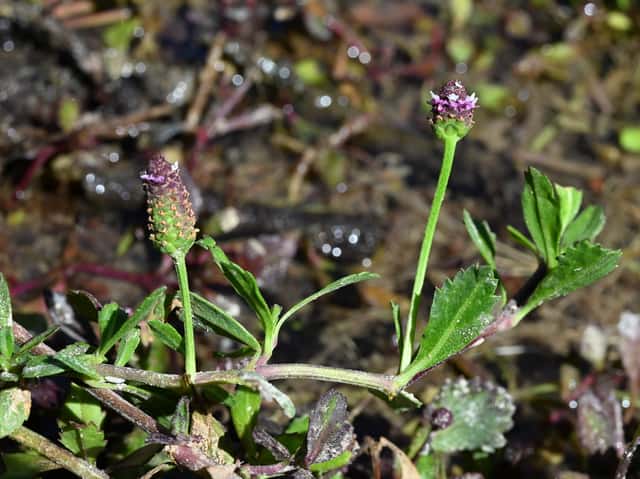
turkey tangle fogfruit (Phyla nodiflora) is a easy-care plant from the Verbenaceae family. Phyla nodiflora, commonly known as turkey tangle fogfruit or frogfruit, is a vigorous, low-growing perennial groundcover. It features small, serrated green leaves and unique cylindrical flower heads surrounded by tiny white to pinkish-purple flowers. It is highly valued as a sustainable lawn alterna...
turkey tangle fogfruit grows up to 15cm, with spread of 120cm, watering every 14 days, -5°C – 38°C, 40–70% humidity. It is not suitable for indoor environments and safe for pets.
Unlike many tropical plants, turkey tangle fogfruit tolerates watering mistakes. Best for beginners. Unlike many popular species, turkey tangle fogfruit is safe to keep around pets.
How to Care for turkey tangle fogfruit?
TLDR: turkey tangle fogfruit needs Bright indirect, watering every 14 days, and temperatures between -5-38°C with 40-70% humidity.
How Often Should You Water turkey tangle fogfruit?
Water regularly until the plant is established. Once mature, it is quite drought-tolerant but will look lusher with occasional deep watering during dry spells.
How Much Light Does turkey tangle fogfruit Need?
For the densest growth and most prolific flowering, plant in a location that receives at least 6 hours of direct sunlight daily.
What Is the Best Soil for turkey tangle fogfruit?
While it prefers well-draining loamy soil, it is famous for its ability to grow in heavy clay or sandy coastal soils.
What Pot Should You Use for turkey tangle fogfruit?
Best grown directly in the ground as a lawn alternative, but can be used in wide, shallow hanging baskets to allow trailing.
Care Schedule
Fertilize
Every 90 days
What Is turkey tangle fogfruit and Where Does It Come From?
Phyla nodiflora, commonly known as turkey tangle fogfruit or frogfruit, is a vigorous, low-growing perennial groundcover. It features small, serrated green leaves and unique cylindrical flower heads surrounded by tiny white to pinkish-purple flowers. It is highly valued as a sustainable lawn alternative due to its ability to handle foot traffic and its high attractiveness to pollinators like butterflies and bees.
How to Propagate turkey tangle fogfruit?
Stem Cuttings
- Cuttings often already have small adventitious roots forming at the nodes, which speeds up the process.
- Ensure the soil remains moist but not waterlogged during the first week.
- 1 Select Runners
Identify healthy, vigorous creeping stems (runners) that have at least two or three nodes.
- 2 Cut and Prepare
Snip a 10-15 cm section of the runner. Remove leaves from the bottom nodes that will be in contact with the soil.
- 3 Planting
Press the nodes firmly into moist soil or potting mix. Keep the area consistently damp until new growth appears.
Materials needed:
Root Division
- This is the fastest way to fill in bare spots in a lawn.
- Water immediately after transplanting to reduce shock.
- 1 Dig Up Clump
Use a trowel to dig up a small section of the established mat, ensuring you get plenty of roots.
- 2 Separate
Pull the clump apart into smaller sections, each with its own root system and foliage.
- 3 Replant
Plant the divisions in their new location at the same depth they were previously growing.
Materials needed:
How Big Does turkey tangle fogfruit Grow?
TLDR: turkey tangle fogfruit can reach up to 15cm tall with Fast growth rate.
Max height
15cm
Spread
1.2m
Growth rate
Fast
Foliage
Semi-evergreen
Plant Uses
Ornamental
Great for decoration
Ground Cover
Soil coverage
Medicinal
Medicinal properties
Medicinal Uses
- Treatment of respiratory ailments
- Anti-inflammatory poultices
- Traditional treatment for indigestion
Is your plant showing symptoms?
Click on the symptom to discover possible causes:
What Diseases Commonly Affect turkey tangle fogfruit?
TLDR: turkey tangle fogfruit is susceptible to 7 known diseases. Monitor regularly for early detection.
Root Rot
Root rot is a serious fungal disease that affects the root system of plants, causing them to decay and die. It is primarily caused by overwatering, poor drainage, or soil-borne fungi such as Pythium, Phytophthora, Rhizoctonia, and Fusarium. The disease thrives in waterlogged conditions where roots are deprived of oxygen, making them susceptible to fungal infection.
Powdery Mildew
Powdery mildew is a common fungal disease caused by various fungi species including Erysiphe, Podosphaera, Oïdium, and Leveillula. It affects over 10,000 plant species worldwide. The disease thrives in warm, dry climates with high humidity and appears as a distinctive white powdery coating on plant surfaces.
Aphids
Aphids are small, soft-bodied, pear-shaped insects (1/16 to 1/8 inch long) that feed by sucking nutrient-rich sap from plants. They reproduce rapidly and can quickly weaken plants, causing distorted growth and transmitting plant viruses. Aphids come in various colors including green, black, red, yellow, brown, and gray. They secrete honeydew, a sticky substance that attracts ants and encourages sooty mold growth.
Spider Mites
Spider mites are tiny arachnids (less than 1/20 inch long) related to spiders and ticks that feed on plant sap. They thrive in hot, dry conditions and can cause significant damage to ornamental and vegetable plants. During severe infestations, crop losses can reach 14% or higher as these pests disrupt vital plant processes including photosynthesis, carbon dioxide absorption, and transpiration.
Meaning & Symbolism
Represents resilience, adaptability, and the ability to thrive under pressure.
Compare with similar plants
| Attribute | Difficulty | Light | Watering | Pet Safe |
|---|---|---|---|---|
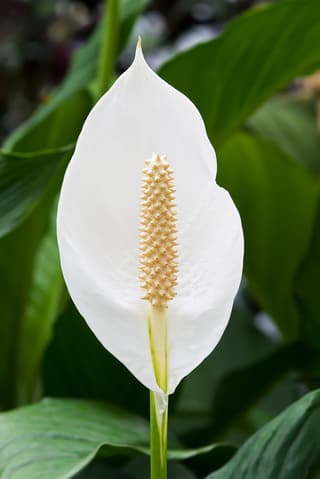
| Peace Lily | Easy | Low light | 4d | ⚠️ |
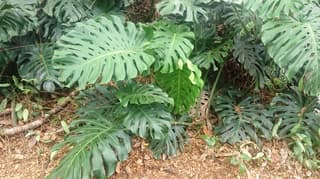
| Swiss Cheese Plant | Easy | Partial shade | 10d | ⚠️ |
| Golden Pothos | Easy | Low light | 8d | ⚠️ |
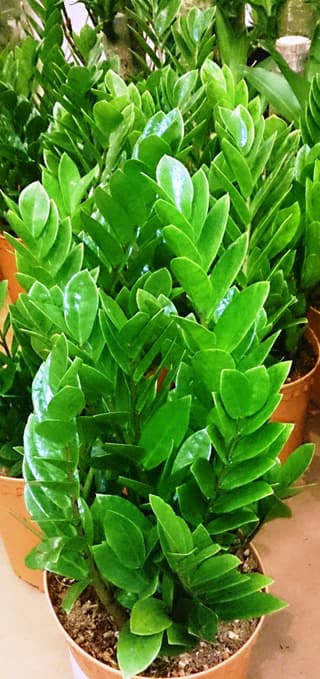
| ZZ Plant | Easy | Low light | 18d | ⚠️ |