Rosaceae
Strawberry: Edible Plant
Fragaria x ananassa
Grow in rich, well-drained soil in full sun. Water regularly, keeping the soil moist but not waterlogged. Fertilize during the growing season.
Every 3 days
Direct sun
10° - 27°C
60% - 80%
Categories
What is Strawberry?
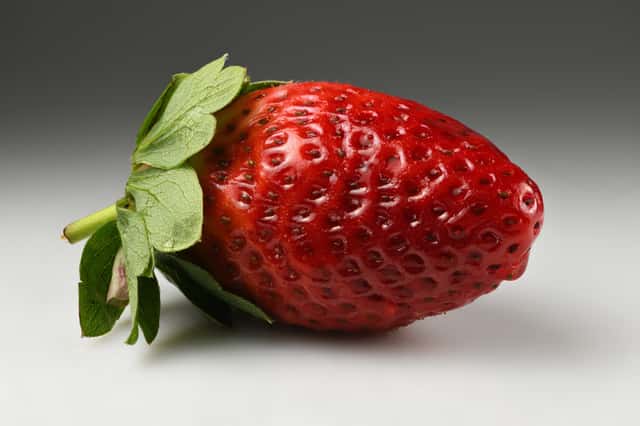
Strawberry (Fragaria x ananassa) is a easy-care plant from the Rosaceae family. The strawberry plant (Fragaria x ananassa) is a perennial herbaceous plant known worldwide for its delicious red fruits. It features vibrant green trifoliate leaves and delicate white flowers that give rise to the berries.
Strawberry grows up to 30cm, with spread of 45cm, watering every 3 days, 10°C – 27°C, 60–80% humidity. It is not suitable for indoor environments and safe for pets.
Unlike many tropical plants, Strawberry tolerates watering mistakes. Best for beginners. Unlike many popular species, Strawberry is safe to keep around pets.
How to Care for Strawberry?
TLDR: Strawberry needs Direct sun, watering every 3 days, and temperatures between 10-27°C with 60-80% humidity.
How Often Should You Water Strawberry?
Keep the soil consistently moist, especially during flowering and fruiting. Water at the base of the plant to avoid wetting the leaves and fruit, which can encourage fungal diseases.
How Much Light Does Strawberry Need?
Prefers full sun for best fruit production but tolerates partial shade. Avoid intense, direct sunlight during the hottest hours of the day in very hot climates.
What Is the Best Soil for Strawberry?
Strawberry plants prefer soil rich in organic matter, well-drained, and slightly acidic to neutral. A mix of potting soil, organic compost, and a bit of sand is ideal.
What Pot Should You Use for Strawberry?
Pots with good drainage, window boxes, or raised beds are ideal. Ensure the pot has enough holes for water to drain.
Care Schedule
Fertilize
Every 30 days
Repot
Every 365 days
What Is Strawberry and Where Does It Come From?
The strawberry plant (Fragaria x ananassa) is a perennial herbaceous plant known worldwide for its delicious red fruits. It features vibrant green trifoliate leaves and delicate white flowers that give rise to the berries.
How to Propagate Strawberry?
Runners (Stolons)
- Keep the soil consistently moist during rooting.
- Remove any flowers that appear on the new plantlets so the plant concentrates energy on root development.
- 1 Identify the runners
Look for long stems spreading from the mother plant, which usually have small nodes where new plantlets form.
- 2 Root the plantlet
Position the plantlet in a small pot with moist soil or directly in the ground, securing it lightly so roots develop in the substrate.
- 3 Separate from the mother plant
After strong roots have developed (usually after a few weeks), cut the runner connecting the new plant to the mother plant.
Materials needed:
Sowing
- Cold stratification (exposing seeds to low temperatures for a few weeks) can improve germination.
- Patience is key, as germination can be irregular.
- 1 Prepare the substrate
Use a light, well-drained substrate mixed with vermiculite or sand.
- 2 Sow the seeds
Spread the seeds over the surface of the substrate and cover lightly with a thin layer. Keep moist and in a spot with indirect light.
- 3 Transplant the seedlings
When the seedlings have a few true leaves and are large enough to handle, transplant them into individual pots or their permanent location.
Materials needed:
How Big Does Strawberry Grow?
TLDR: Strawberry can reach up to 30cm tall with Fast growth rate.
Max height
30cm
Spread
45cm
Growth rate
Fast
Foliage
Semi-evergreen
Plant Uses
Edible
Can be consumed
Ornamental
Great for decoration
Medicinal Uses
- Rich in antioxidants
- Source of vitamin C
- Anti-inflammatory properties
Culinary Uses
- Fresh consumption
- Jams
- Desserts
- Cakes
- Sweets
- Juices
Is your plant showing symptoms?
Click on the symptom to discover possible causes:
What Diseases Commonly Affect Strawberry?
TLDR: Strawberry is susceptible to 16 known diseases. Monitor regularly for early detection.
Gray Mold (Botrytis Blight)
Gray mold, caused by the fungus Botrytis cinerea, is a widespread necrotrophic pathogen affecting over 1,400 plant species. It thrives in cool, humid conditions and attacks weakened or aging plant tissues, causing soft rot and characteristic gray fuzzy growth.
Anthracnose
Anthracnose is a fungal disease caused by fungi in the genus Colletotrichum that affects many plants, including vegetables, fruits, and trees. The disease thrives in cool, wet conditions, causing dark, sunken lesions on leaves, stems, flowers, and fruits.
Gray Mold (Botrytis Blight)
Gray mold, caused by the fungus Botrytis cinerea, is one of the most common fungal diseases in plants. It affects over 200 plant species, including ornamentals, vegetables, fruits, and houseplants. The disease thrives in cool, humid conditions with poor air circulation, causing grayish spots and soft rot on infected tissues.
Powdery Mildew
Powdery mildew is a common fungal disease caused by various fungi species including Erysiphe, Podosphaera, Oïdium, and Leveillula. It affects over 10,000 plant species worldwide. The disease thrives in warm, dry climates with high humidity and appears as a distinctive white powdery coating on plant surfaces.
Meaning & Symbolism
The strawberry is often associated with love, passion, fertility, and luck. Its heart shape and vibrant red color contribute to these meanings.
Compare with similar plants
| Attribute | Difficulty | Light | Watering | Pet Safe |
|---|---|---|---|---|
| Peace Lily | Easy | Low light | 4d | ⚠️ |
| Swiss Cheese Plant | Easy | Partial shade | 10d | ⚠️ |
| Golden Pothos | Easy | Low light | 8d | ⚠️ |
| ZZ Plant | Easy | Low light | 18d | ⚠️ |