Fagaceae
Southern red oak: Full Sun Plant
Quercus falcata
Thrives in full sun and acidic, well-drained soil. While it requires regular watering during its establishment phase, mature trees are notably drought-tolerant.
Every 21 days
Direct sun
-23° - 38°C
30% - 70%
Categories
What is Southern red oak?
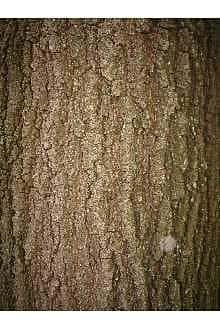
Southern red oak (Quercus falcata) is a easy-care plant from the Fagaceae family. The Southern Red Oak is a large, stately deciduous tree native to the southeastern United States. It is characterized by its distinctive leaves, which often feature a long, narrow terminal lobe, and its dark, furrowed bark. It is a vital species for local ecosystems, providing habitat and food for n...
Southern red oak grows up to 24.0m, with spread of 1500cm, watering every 21 days, -23°C – 38°C, 30–70% humidity. It is not suitable for indoor environments and not safe for pets.
Unlike many tropical plants, Southern red oak tolerates watering mistakes. Best for beginners. Without precautions, ingestion can cause irritation in pets. Keep out of reach of cats and dogs.
How to Care for Southern red oak?
TLDR: Southern red oak needs Direct sun, watering every 21 days, and temperatures between -23-38°C with 30-70% humidity.
How Often Should You Water Southern red oak?
Water deeply once a week during the first two years. Once established, only supplemental watering during extreme droughts is necessary.
How Much Light Does Southern red oak Need?
This tree requires full, direct sunlight to develop a strong structure and healthy foliage; it will not tolerate significant shade.
What Is the Best Soil for Southern red oak?
Prefers sandy or loamy soils with an acidic pH; it may develop iron chlorosis (yellowing leaves) in alkaline soils.
What Pot Should You Use for Southern red oak?
Not suitable for long-term container growth; should be planted in open ground to accommodate its extensive taproot.
Care Schedule
Fertilize
Every 365 days
What Is Southern red oak and Where Does It Come From?
The Southern Red Oak is a large, stately deciduous tree native to the southeastern United States. It is characterized by its distinctive leaves, which often feature a long, narrow terminal lobe, and its dark, furrowed bark. It is a vital species for local ecosystems, providing habitat and food for numerous wildlife species.
How to Propagate Southern red oak?
Acorn Sowing
- Protect young seedlings from squirrels and deer using wire cages.
- Ensure the soil remains moist but not waterlogged during the first spring.
- 1 Acorn Collection
Collect ripe acorns in the fall when they turn brown and easily separate from their caps.
- 2 Float Test
Place acorns in water; discard any that float as they are likely damaged or non-viable.
- 3 Stratification
Store acorns in a moist medium like peat moss in the refrigerator for 30-60 days to break dormancy.
- 4 Planting
Sow acorns 1-2 inches deep in a permanent outdoor location or deep nursery containers.
Materials needed:
How Big Does Southern red oak Grow?
TLDR: Southern red oak can reach up to 24.0m tall with Medium growth rate.
Max height
24.0m
Spread
15.0m
Growth rate
Medium
Foliage
Deciduous
Warning: Toxic Plant
This plant can be toxic if ingested. Keep out of reach of:
Plant Uses
Ornamental
Great for decoration
Medicinal Uses
- Historical use of bark decoctions as an astringent and for treating respiratory ailments.
Is your plant showing symptoms?
Click on the symptom to discover possible causes:
What Diseases Commonly Affect Southern red oak?
TLDR: Southern red oak is susceptible to 8 known diseases. Monitor regularly for early detection.
Anthracnose
Anthracnose is a fungal disease caused by fungi in the genus Colletotrichum that affects many plants, including vegetables, fruits, and trees. The disease thrives in cool, wet conditions, causing dark, sunken lesions on leaves, stems, flowers, and fruits.
Powdery Mildew
Powdery mildew is a common fungal disease caused by various fungi species including Erysiphe, Podosphaera, Oïdium, and Leveillula. It affects over 10,000 plant species worldwide. The disease thrives in warm, dry climates with high humidity and appears as a distinctive white powdery coating on plant surfaces.
Leaf Spot
Leaf spot is a common fungal disease caused by various pathogens including Alternaria, Ascochyta, Colletotrichum, Septoria, and Venturia. It primarily affects leaves, causing discolored spots that can lead to premature leaf drop if left untreated.
Canker
Canker is a disease caused by various fungi and bacteria that create necrotic, sunken areas on bark of branches, stems, and trunks. Pathogens enter through wounds and natural openings, especially when plants are stressed. Canker can gradually weaken or kill branches by disrupting water and nutrient flow.
Meaning & Symbolism
Often associated with strength, resilience, and the heritage of the American South.
Compare with similar plants
| Attribute | Difficulty | Light | Watering | Pet Safe |
|---|---|---|---|---|
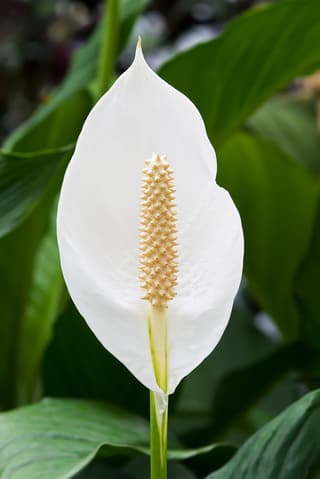
| Peace Lily | Easy | Low light | 4d | ⚠️ |
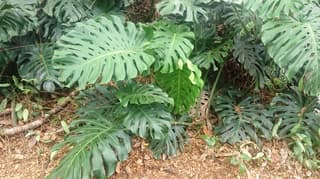
| Swiss Cheese Plant | Easy | Partial shade | 10d | ⚠️ |
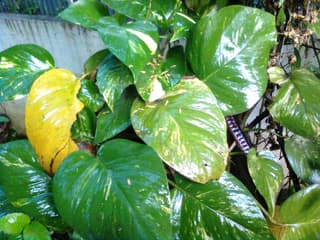
| Golden Pothos | Easy | Low light | 8d | ⚠️ |
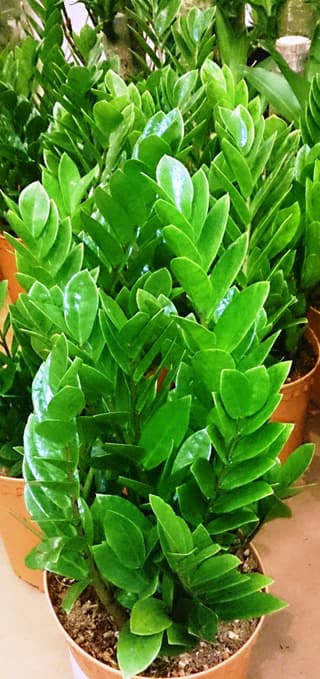
| ZZ Plant | Easy | Low light | 18d | ⚠️ |