Oxalidaceae
Pink-sorrel: Medicinal Uses & Care Tips
Oxalis articulata
This plant thrives with moderate watering, bright indirect light, and well-draining soil. It's generally easy to care for but requires consistent attention to prevent drying out.
Every 7 days
Bright indirect
10° - 27°C
40% - 60%
Categories
What is Pink-sorrel?
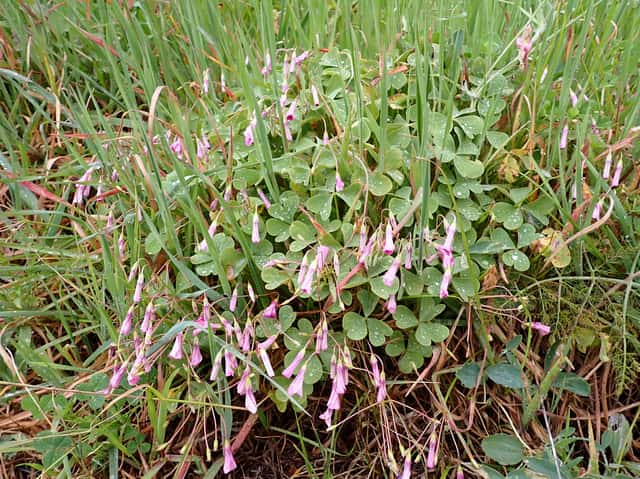
Pink-sorrel (Oxalis articulata) is a easy-care plant from the Oxalidaceae family. Oxalis articulata, commonly known as Pink-sorrel or Windowbox Woodsorrel, is a charming perennial herb native to South America. It features attractive clover-like leaves, often with a purplish tint, and produces abundant clusters of small, vibrant pink flowers. These flowers bloom profusely, creatin...
Pink-sorrel grows up to 30cm, with spread of 40cm, watering every 7 days, 10°C – 27°C, 40–60% humidity. It is suitable for indoor environments and not safe for pets.
Unlike many tropical plants, Pink-sorrel tolerates watering mistakes. Best for beginners. Without precautions, ingestion can cause irritation in pets. Keep out of reach of cats and dogs. Without adequate drainage, root rot can develop within 14 days.
How to Care for Pink-sorrel?
TLDR: Pink-sorrel needs Bright indirect, watering every 7 days, and temperatures between 10-27°C with 40-60% humidity.
How Much Light Does Pink-sorrel Need?
Provide bright, indirect light for optimal growth and flowering. Direct harsh sun can scorch the leaves, while too little light may lead to leggy growth and fewer blooms.
What Is the Best Soil for Pink-sorrel?
Use a well-draining potting mix, ideally one formulated for houseplants or a general-purpose mix amended with perlite or sand to improve drainage. A slightly acidic to neutral pH (5.5-7.0) is preferred.
What Pot Should You Use for Pink-sorrel?
Choose a pot with good drainage holes to prevent waterlogging. Terracotta pots are excellent as they allow the soil to breathe and dry out more evenly.
Care Schedule
Fertilize
Every 30 days
Misting
Every 7 days
Rotate
Every 14 days
Repot
Every 365 days
What Is Pink-sorrel and Where Does It Come From?
Oxalis articulata, commonly known as Pink-sorrel or Windowbox Woodsorrel, is a charming perennial herb native to South America. It features attractive clover-like leaves, often with a purplish tint, and produces abundant clusters of small, vibrant pink flowers. These flowers bloom profusely, creating a cheerful display. It's a popular choice for both indoor pots and outdoor garden beds, known for its relatively easy care and vigorous growth.
How to Propagate Pink-sorrel?
Division of Rhizomes
- Ensure each division has a healthy root system for best success.
- Water the newly potted divisions well and place them in a bright, indirect light location.
- 1 Prepare the Parent Plant
Gently remove the Oxalis articulata from its pot, shaking off excess soil to expose the rhizomes or tuberous roots.
- 2 Separate Divisions
Carefully pull apart or cut the rhizomes into sections, ensuring each division has a healthy root system and at least one growth point or cluster of leaves.
- 3 Repot New Plants
Plant each division into its own pot filled with fresh, well-draining potting mix. Water thoroughly after repotting.
Materials needed:
Seed Sowing
- Bottom heat can significantly improve germination rates.
- Do not let the soil dry out during the germination period.
- 1 Prepare Seed Tray
Fill a seed tray or small pots with a moist, well-draining seed-starting mix.
- 2 Sow Seeds
Scatter the tiny Oxalis articulata seeds thinly over the surface of the soil. Lightly cover them with a very thin layer of soil or vermiculite, as they often need light to germinate.
- 3 Provide Optimal Conditions
Keep the soil consistently moist using a fine mist sprayer and place the tray in a warm location (around 20-25°C or 68-77°F) with bright, indirect light. Consider covering with a clear dome to maintain humidity.
Materials needed:
How Big Does Pink-sorrel Grow?
TLDR: Pink-sorrel can reach up to 30cm tall with Fast growth rate.
Max height
30cm
Spread
40cm
Growth rate
Fast
Foliage
Deciduous
Warning: Toxic Plant
This plant can be toxic if ingested. Keep out of reach of:
Plant Uses
Ornamental
Great for decoration
Medicinal
Medicinal properties
Culinary Uses
- Salads (in moderation)
- Garnish (in moderation)
Is your plant showing symptoms?
Click on the symptom to discover possible causes:
What Diseases Commonly Affect Pink-sorrel?
TLDR: Pink-sorrel is susceptible to 9 known diseases. Monitor regularly for early detection.
Rust
Rust is a common fungal disease caused by fungi in the order Pucciniales that affects a wide variety of plants. The disease gets its name from the characteristic orange, yellow, or reddish-brown pustules that appear on leaves, resembling metal rust. This obligate fungal parasite requires living plants to survive and can cause significant economic losses in agricultural crops.
Septoria Leaf Spot
Septoria leaf spot is a destructive fungal disease caused by Septoria lycopersici, particularly devastating during seasons of moderate temperature and abundant rainfall. The disease starts on lower leaves and progresses upward, causing small circular spots with tan to gray centers and dark brown margins. If left untreated, it can dramatically reduce plant yields and cause complete leaf blight.
Leaf Spot
Leaf spot is a common fungal disease caused by various pathogens including Alternaria, Ascochyta, Colletotrichum, Septoria, and Venturia. It primarily affects leaves, causing discolored spots that can lead to premature leaf drop if left untreated.
Powdery Mildew
Powdery mildew is a common fungal disease caused by various fungi species including Erysiphe, Podosphaera, Oïdium, and Leveillula. It affects over 10,000 plant species worldwide. The disease thrives in warm, dry climates with high humidity and appears as a distinctive white powdery coating on plant surfaces.
Meaning & Symbolism
Oxalis, particularly the clover-like varieties, is often associated with luck, prosperity, and joy, similar to the traditional shamrock. Its vibrant blooms can also symbolize renewal and cheerfulness.
Compare with similar plants
| Attribute | Difficulty | Light | Watering | Pet Safe |
|---|---|---|---|---|
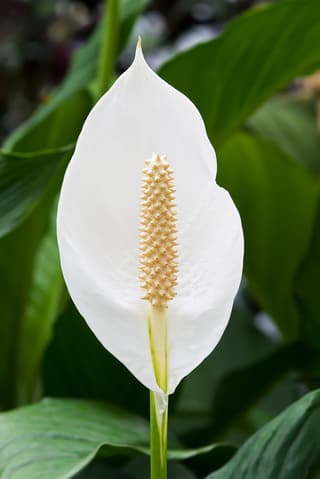
| Peace Lily | Easy | Low light | 4d | ⚠️ |
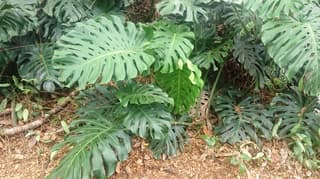
| Swiss Cheese Plant | Easy | Partial shade | 10d | ⚠️ |
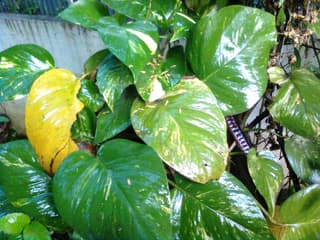
| Golden Pothos | Easy | Low light | 8d | ⚠️ |
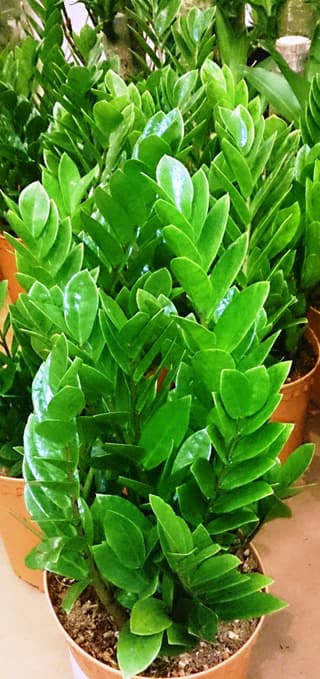
| ZZ Plant | Easy | Low light | 18d | ⚠️ |