Alstroemeriaceae
Peruvian Lily: Pet-Safe Plant
Alstroemeria
The Peruvian Lily prefers partial or filtered sunlight, well-drained soil, and regular watering, keeping the soil moist but not waterlogged. Fertilize every two weeks during the growing season and remove spent flowers to encourage new blooming.
Every 7 days
Bright indirect
5° - 30°C
40% - 60%
Categories
What is Peruvian Lily?
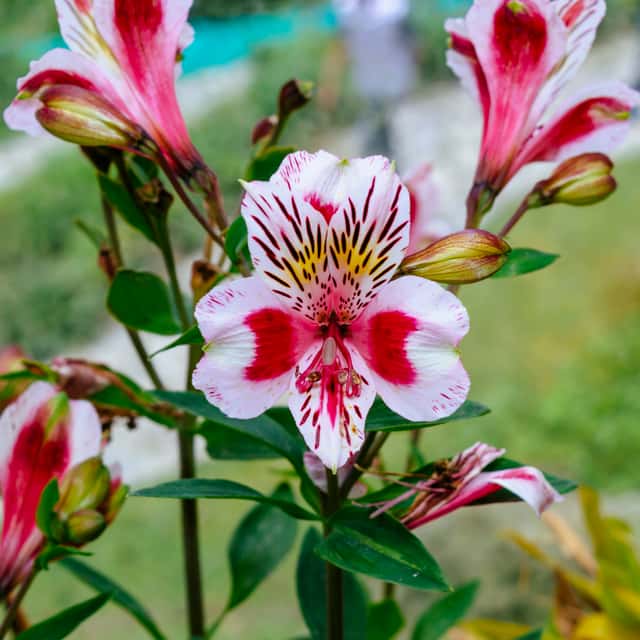
Peruvian Lily (Alstroemeria) is a easy-care plant from the Alstroemeriaceae family. The Peruvian Lily, scientifically known as Alstroemeria, is a popular ornamental plant prized for its vibrant and long-lasting flowers. Native to South America, it grows from rhizomes and produces upright stems with lanceolate leaves. The flowers, which come in a wide range of colors and patterns, a...
Peruvian Lily grows up to 1.2m, with spread of 60cm, watering every 7 days, 5°C – 30°C, 40–60% humidity. It is suitable for indoor environments and safe for pets.
Unlike many tropical plants, Peruvian Lily tolerates watering mistakes. Best for beginners. Unlike many popular species, Peruvian Lily is safe to keep around pets. Without adequate drainage, root rot can develop within 14 days.
How to Care for Peruvian Lily?
TLDR: Peruvian Lily needs Bright indirect, watering every 7 days, and temperatures between 5-30°C with 40-60% humidity.
How Often Should You Water Peruvian Lily?
Water deeply when the top 1 inch (2-3 cm) of soil is dry to the touch. Avoid waterlogging the soil, as water accumulation can lead to root rot. Reduce watering in winter when the plant is dormant or growing more slowly.
How Much Light Does Peruvian Lily Need?
Position your Peruvian Lily in a location that receives morning sun or filtered light for most of the day. Avoid harsh, direct sunlight during the hottest hours, as it can burn the leaves and flowers.
What Is the Best Soil for Peruvian Lily?
The Peruvian Lily thrives in soils rich in organic matter that drain very well. A mix of potting soil, compost, and perlite or coarse sand is ideal to ensure aeration and prevent root rot.
What Pot Should You Use for Peruvian Lily?
Use pots with good drainage, preferably terracotta, which help keep the soil more aerated and prevent moisture buildup at the roots.
Care Schedule
Fertilize
Every 30 days
Repot
Every 730 days
What Is Peruvian Lily and Where Does It Come From?
The Peruvian Lily, scientifically known as Alstroemeria, is a popular ornamental plant prized for its vibrant and long-lasting flowers. Native to South America, it grows from rhizomes and produces upright stems with lanceolate leaves. The flowers, which come in a wide range of colors and patterns, are often bicolor and have distinct petals, with the lower ones usually marked. It is an excellent choice for flower beds, borders, and as a cut flower due to its long vase life.
How to Propagate Peruvian Lily?
Rhizome Division
- Perform the division preferably in early spring, before new growth begins.
- Ensure cutting tools are clean to avoid introducing diseases.
- 1 Dig up the plant
Carefully dig up the mother plant, trying to preserve as much of the root system as possible.
- 2 Divide the rhizomes
Separate the rhizomes into smaller sections, ensuring each section has at least one bud or eye.
- 3 Plant the new sections
Plant each rhizome section in its own pot or garden location, with the buds facing upward.
Materials needed:
Sowing
- Alstroemeria seeds can have slow and variable germination.
- Cold stratification can improve germination rates.
- 1 Prepare the substrate
Use a light, well-draining seed-starting mix.
- 2 Sow the seeds
Scatter the seeds over the surface of the substrate and lightly cover with a thin layer of vermiculite or substrate.
- 3 Maintain moisture and temperature
Keep the substrate moist and the temperature between 68-77°F (20-25°C). Germination can be irregular.
- 4 Transplant the seedlings
When the seedlings have a few true leaves and are large enough to handle, transplant them into individual pots.
Materials needed:
How Big Does Peruvian Lily Grow?
TLDR: Peruvian Lily can reach up to 1.2m tall with Medium growth rate.
Max height
1.2m
Spread
60cm
Growth rate
Medium
Foliage
Deciduous
Warning: Toxic Plant
This plant can be toxic if ingested. Keep out of reach of:
Plant Uses
Ornamental
Great for decoration
Is your plant showing symptoms?
Click on the symptom to discover possible causes:
What Diseases Commonly Affect Peruvian Lily?
TLDR: Peruvian Lily is susceptible to 15 known diseases. Monitor regularly for early detection.
Gray Mold (Botrytis Blight)
Gray mold, caused by the fungus Botrytis cinerea, is one of the most common fungal diseases in plants. It affects over 200 plant species, including ornamentals, vegetables, fruits, and houseplants. The disease thrives in cool, humid conditions with poor air circulation, causing grayish spots and soft rot on infected tissues.
Pythium Root Rot
Pythium root rot is a serious fungal disease caused by various Pythium species including P. aphanidermatum, P. ultimum, and P. irregulare. These water molds are present in practically all cultivated soils and attack plant roots under wet conditions, causing rapid wet rot that can extend into the stem. The disease is favored by poor drainage, overwatering, and specific temperatures depending on the species.
Root Rot
Root rot is a serious fungal disease that affects the root system of plants, causing them to decay and die. It is primarily caused by overwatering, poor drainage, or soil-borne fungi such as Pythium, Phytophthora, Rhizoctonia, and Fusarium. The disease thrives in waterlogged conditions where roots are deprived of oxygen, making them susceptible to fungal infection.
Gray Mold (Botrytis Blight)
Gray mold, caused by the fungus Botrytis cinerea, is a widespread necrotrophic pathogen affecting over 1,400 plant species. It thrives in cool, humid conditions and attacks weakened or aging plant tissues, causing soft rot and characteristic gray fuzzy growth.
Meaning & Symbolism
The Peruvian Lily is often associated with friendship, devotion, and prosperity. Its long-lasting flowers symbolize strong and enduring bonds, making them a popular gift for friends.
Compare with similar plants
| Attribute | Difficulty | Light | Watering | Pet Safe |
|---|---|---|---|---|
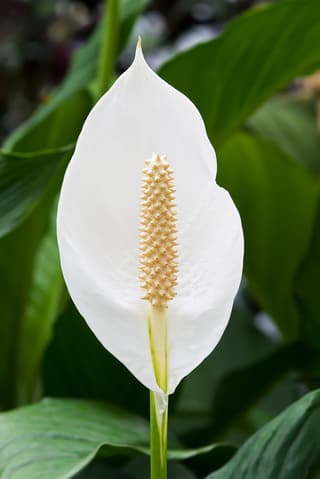
| Peace Lily | Easy | Low light | 4d | ⚠️ |
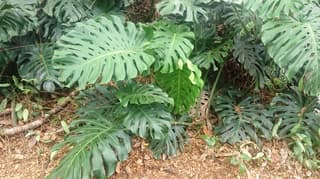
| Swiss Cheese Plant | Easy | Partial shade | 10d | ⚠️ |
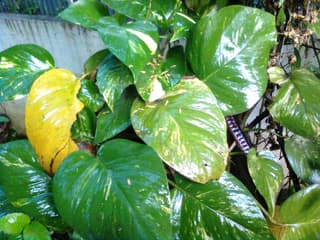
| Golden Pothos | Easy | Low light | 8d | ⚠️ |
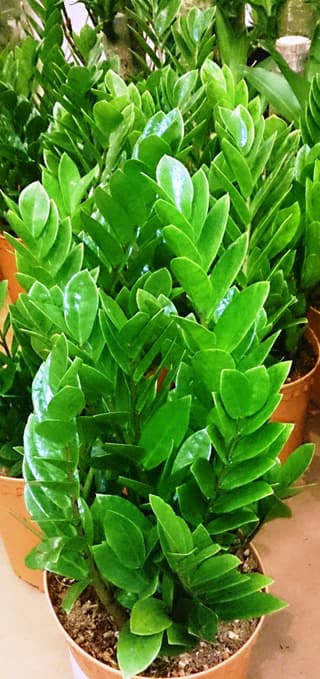
| ZZ Plant | Easy | Low light | 18d | ⚠️ |