Caricaceae
Papaya: Complete Growing and Care Guide
Carica papaya
Papaya is easy to grow in tropical and subtropical climates. It requires full sun, regular watering without waterlogging, and well-draining fertile soil. Fertilize monthly during the growing season and protect from frost and strong winds.
Every 7 days
Direct sun
18° - 35°C
60% - 85%
Categories
What is Papaya?
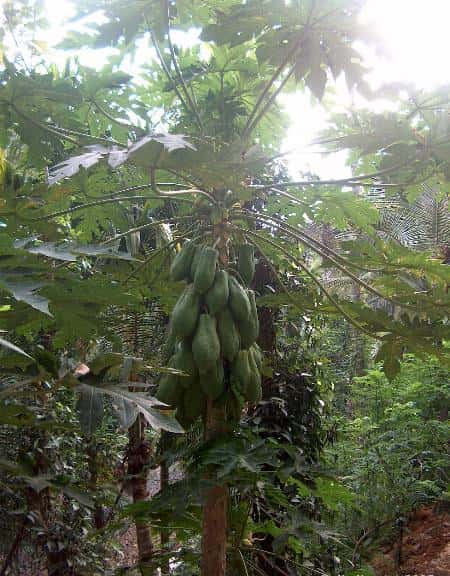
Papaya (Carica papaya) is a easy-care plant from the Caricaceae family. Papaya (Carica papaya) is a fast-growing tropical fruit tree native to Central America and Mexico. One of the most widely cultivated tropical fruits in the world, it can begin bearing fruit within 4–8 months of planting. Its large, deeply lobed leaves, creamy-white flowers, and sweet orange fruits m...
Papaya grows up to 4.5m, with spread of 240cm, watering every 7 days, 18°C – 35°C, 60–85% humidity. It is not suitable for indoor environments and safe for pets.
Unlike many tropical plants, Papaya tolerates watering mistakes. Best for beginners. Unlike many popular species, Papaya is safe to keep around pets.
How to Care for Papaya?
TLDR: Papaya needs Direct sun, watering every 7 days, and temperatures between 18-35°C with 60-85% humidity.
How Often Should You Water Papaya?
Water every 7 days on average, or when the top 5 cm of soil is dry. Avoid waterlogging — papaya is highly susceptible to root rot from excess moisture.
How Much Light Does Papaya Need?
Papaya requires full sun — at least 6 to 8 hours of direct sunlight daily. It does not tolerate shade or low light, which severely impacts growth and fruiting.
What Is the Best Soil for Papaya?
Prefers well-drained, light, fertile soil with a pH between 5.5 and 6.5. Avoid clay-heavy or waterlogged soils. Incorporate organic matter at planting to improve soil structure.
What Pot Should You Use for Papaya?
Large container (minimum 100L) with drainage holes, or direct in-ground planting in tropical climates.
Care Schedule
Fertilize
Every 30 days
What Is Papaya and Where Does It Come From?
Papaya (Carica papaya) is a fast-growing tropical fruit tree native to Central America and Mexico. One of the most widely cultivated tropical fruits in the world, it can begin bearing fruit within 4–8 months of planting. Its large, deeply lobed leaves, creamy-white flowers, and sweet orange fruits make it a striking presence in tropical and subtropical gardens.
How to Propagate Papaya?
Seed Propagation
Use fresh growing medium and ensure containers have good drainage. Plant 3 seeds per hole to ensure at least one hermaphrodite plant.
- 1 Extract seeds from a ripe fruit and wash thoroughly to remove pulp
- 2 Plant seeds 1 cm deep in moist, well-draining growing medium
- 3 Keep in a warm location (25-30°C) with good light
- 4 Seeds germinate in 12-20 days
- 5 Transplant seedlings when they reach 20 cm in height
Materials needed:
How Big Does Papaya Grow?
TLDR: Papaya can reach up to 4.5m tall with Fast growth rate.
Max height
4.5m
Spread
2.4m
Growth rate
Fast
Foliage
Evergreen
Warning: Toxic Plant
This plant can be toxic if ingested. Keep out of reach of:
Plant Uses
Edible
Can be consumed
Medicinal
Medicinal properties
Medicinal Uses
- Papain enzyme extract with digestive and anti-inflammatory properties
- Leaf infusions traditionally used for digestive support
- Latex used traditionally in treatment of warts and skin conditions
Culinary Uses
- Ripe fruit consumed fresh or in juices and smoothies
- Green papaya used in salads and savory dishes
- Seeds used as a black pepper substitute
Is your plant showing symptoms?
Click on the symptom to discover possible causes:
What Diseases Commonly Affect Papaya?
TLDR: Papaya is susceptible to 12 known diseases. Monitor regularly for early detection.
Anthracnose
Anthracnose is a fungal disease caused by fungi in the genus Colletotrichum that affects many plants, including vegetables, fruits, and trees. The disease thrives in cool, wet conditions, causing dark, sunken lesions on leaves, stems, flowers, and fruits.
Powdery Mildew
Powdery mildew is a common fungal disease caused by various fungi species including Erysiphe, Podosphaera, Oïdium, and Leveillula. It affects over 10,000 plant species worldwide. The disease thrives in warm, dry climates with high humidity and appears as a distinctive white powdery coating on plant surfaces.
Root Rot
Root rot is a serious fungal disease that affects the root system of plants, causing them to decay and die. It is primarily caused by overwatering, poor drainage, or soil-borne fungi such as Pythium, Phytophthora, Rhizoctonia, and Fusarium. The disease thrives in waterlogged conditions where roots are deprived of oxygen, making them susceptible to fungal infection.
Phytophthora Blight
Devastating fungal disease caused by Phytophthora species (primarily P. capsici and P. infestans), famously responsible for the Irish Potato Famine in the 1840s. Affects all plant parts including roots, stems, leaves, and fruits in warm, wet conditions. The pathogen is technically an oomycete (water mold) that thrives in saturated soils and can survive in soil for 5+ years.
Meaning & Symbolism
In tropical cultures, papaya symbolizes abundance, fertility, and vitality. Its generous fruit represents prosperity and nourishment.
Fun Facts
Papaya can grow more than 1 meter per month under ideal conditions
A single plant can produce dozens of fruits per year
Papain, an enzyme from papaya, is commercially used as a meat tenderizer
Papaya is not technically a tree — its trunk is herbaceous and does not form true wood
Frequently asked questions
How often should I water a papaya tree?
Can papaya be grown in a container?
Is papaya toxic to pets?
When does papaya start bearing fruit?
How do I prevent root rot in papaya?
Compare with similar plants
| Attribute | Difficulty | Light | Watering | Pet Safe |
|---|---|---|---|---|
| Peace Lily | Easy | Low light | 4d | ⚠️ |
| Swiss Cheese Plant | Easy | Partial shade | 10d | ⚠️ |
| Golden Pothos | Easy | Low light | 8d | ⚠️ |
| ZZ Plant | Easy | Low light | 18d | ⚠️ |