Proteaceae
Oleander-leaf protea: Full Sun Plant
Protea neriifolia
Requires full sun, extremely well-drained acidic soil, and good air circulation. It is highly sensitive to excess phosphorus and stagnant moisture.
Every 14 days
Direct sun
-4° - 30°C
30% - 50%
Categories
What is Oleander-leaf protea?
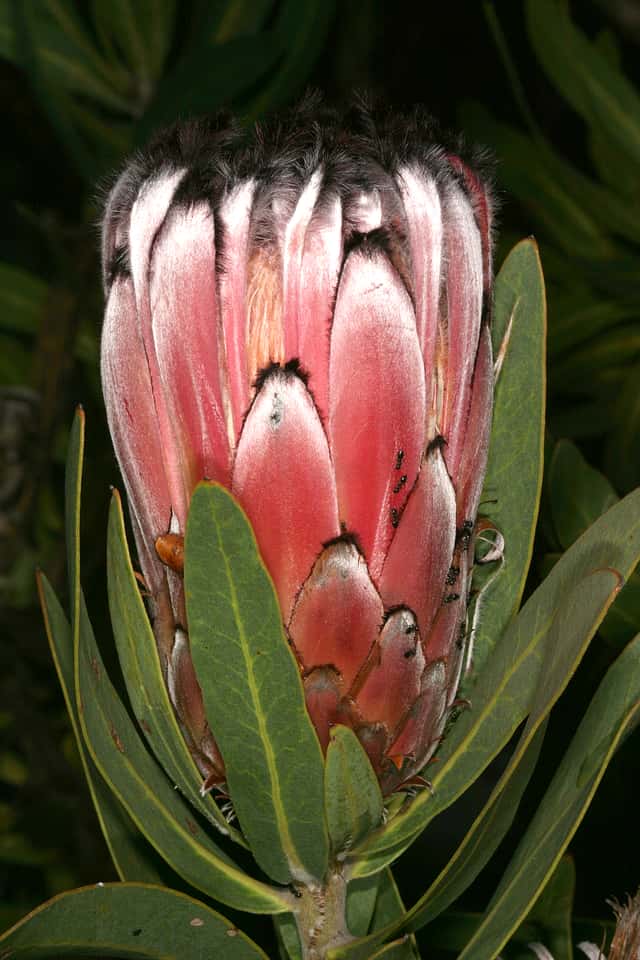
Oleander-leaf protea (Protea neriifolia) is a hard-care plant from the Proteaceae family. Protea neriifolia, commonly known as the Oleander-leaf protea, is a majestic evergreen shrub native to South Africa. It is famous for its cup-shaped inflorescences, composed of colorful bracts ranging from soft pink to cream, ending in distinct velvety black tips. Its leaves are narrow and leathery,...
Oleander-leaf protea grows up to 3.5m, with spread of 200cm, watering every 14 days, -4°C – 30°C, 30–50% humidity. It is suitable for indoor environments and safe for pets.
Unlike easy-care plants, Oleander-leaf protea demands constant attention to humidity and light. Not recommended for beginners. Unlike many popular species, Oleander-leaf protea is safe to keep around pets. Without adequate drainage, root rot can develop within 28 days.
How to Care for Oleander-leaf protea?
TLDR: Oleander-leaf protea needs Direct sun, watering every 14 days, and temperatures between -4-30°C with 30-50% humidity.
How Often Should You Water Oleander-leaf protea?
Water young plants deeply and regularly. Once established, it is drought-tolerant but appreciates occasional watering on summer mornings.
How Much Light Does Oleander-leaf protea Need?
Needs direct sun exposure for at least 6 to 8 hours a day to ensure vibrant flowering and prevent fungal diseases.
What Is the Best Soil for Oleander-leaf protea?
The soil must be acidic (pH 5.0-6.0) and free of phosphorus fertilizers, which are lethal to the proteoid roots of this plant.
What Pot Should You Use for Oleander-leaf protea?
Prefers direct planting in the ground in elevated locations. If grown in pots, use large terracotta containers with extra drainage holes.
Care Schedule
Fertilize
Every 60 days
Misting
Every 7 days
Rotate
Every 30 days
Repot
Every 730 days
What Is Oleander-leaf protea and Where Does It Come From?
Protea neriifolia, commonly known as the Oleander-leaf protea, is a majestic evergreen shrub native to South Africa. It is famous for its cup-shaped inflorescences, composed of colorful bracts ranging from soft pink to cream, ending in distinct velvety black tips. Its leaves are narrow and leathery, resembling those of the oleander, which gives it its specific name.
How to Propagate Oleander-leaf protea?
Seed Propagation
- Use water with low chlorine content
- Avoid excessively high night temperatures during germination
- 1 Smoke Treatment
Treat the seeds with smoke primer to simulate the natural fire conditions that stimulate germination.
- 2 Sowing
Sow in a well-drained, acidic substrate, covering lightly with coarse sand.
- 3 Maintenance
Keep the substrate moist but never waterlogged, in a well-ventilated area.
Materials needed:
Summer Cuttings
- Maintain high humidity around the leaves, but not in the soil
- Use fungicide to prevent cutting rot
- 1 Cutting
Take semi-hardwood cuttings approximately 10-15 cm in length.
- 2 Preparation
Remove leaves from the bottom half and dip the base in phosphorus-free rooting hormone.
- 3 Planting
Insert into a sand and peat mixture, keeping under bottom heat if possible.
Materials needed:
How Big Does Oleander-leaf protea Grow?
TLDR: Oleander-leaf protea can reach up to 3.5m tall with Fast growth rate.
Max height
3.5m
Spread
2.0m
Growth rate
Fast
Foliage
Evergreen
Warning: Toxic Plant
This plant can be toxic if ingested. Keep out of reach of:
Plant Uses
Ornamental
Great for decoration
Medicinal
Medicinal properties
Is your plant showing symptoms?
Click on the symptom to discover possible causes:
What Diseases Commonly Affect Oleander-leaf protea?
TLDR: Oleander-leaf protea is susceptible to 12 known diseases. Monitor regularly for early detection.
Phytophthora Root Rot
Disease caused by fungus-like organisms (oomycetes) that live in soil and can survive for years. It affects roots, stem, and crown of plants, being especially severe in waterlogged or poorly drained soils. It is the second most common cause of root rot in trees and shrubs.
Root Rot
Root rot is a serious fungal disease that affects the root system of plants, causing them to decay and die. It is primarily caused by overwatering, poor drainage, or soil-borne fungi such as Pythium, Phytophthora, Rhizoctonia, and Fusarium. The disease thrives in waterlogged conditions where roots are deprived of oxygen, making them susceptible to fungal infection.
Overwatering
Overwatering occurs when plants receive too much water, depriving roots of oxygen and causing root rot. This environmental stress is one of the most common causes of houseplant death, as waterlogged soil prevents roots from breathing and functioning properly.
Powdery Mildew
Powdery mildew is a common fungal disease caused by various fungi species including Erysiphe, Podosphaera, Oïdium, and Leveillula. It affects over 10,000 plant species worldwide. The disease thrives in warm, dry climates with high humidity and appears as a distinctive white powdery coating on plant surfaces.
Meaning & Symbolism
Represents transformation, diversity, and the courage to bloom in challenging environments.
Compare with similar plants
| Attribute | Difficulty | Light | Watering | Pet Safe |
|---|---|---|---|---|
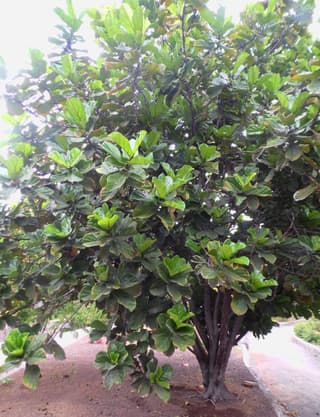
| Fiddle Leaf Fig | Hard | Bright indirect | 10d | ⚠️ |
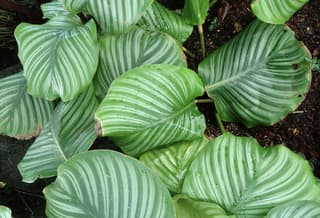
| Round-leaf Calathea | Hard | Partial shade | 7d | ✓ |
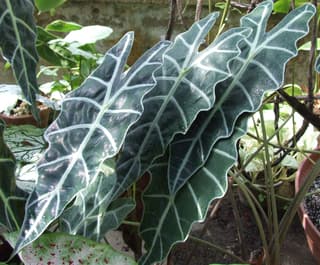
| African Mask Plant | Hard | Partial shade | 5d | ⚠️ |
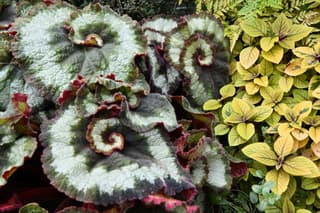
| Rex Begonia | Hard | Partial shade | 7d | ⚠️ |