Moringaceae
Moringa: Edible Plant
Moringa oleifera
Moringa is a fast-growing tree that thrives in full sun and well-draining soil. It is drought-tolerant once established and requires minimal care, making it ideal for warm climates.
Every 10 days
Bright indirect
7° - 48°C
40% - 85%
Categories
What is Moringa?
Moringa (Moringa oleifera) is a easy-care plant from the Moringaceae family. Moringa oleifera, commonly known as the drumstick tree, horseradish tree, or ben oil tree, is a fast-growing, drought-resistant tree native to the foothills of the Himalayas. It is widely cultivated in tropical and subtropical areas for its highly nutritious leaves, pods, seeds, and flowers. The tre...
Moringa grows up to 12.0m, with spread of 600cm, watering every 10 days, 7°C – 48°C, 40–85% humidity. It is not suitable for indoor environments and safe for pets.
Unlike many tropical plants, Moringa tolerates watering mistakes. Best for beginners. Unlike many popular species, Moringa is safe to keep around pets.
How to Care for Moringa?
TLDR: Moringa needs Bright indirect, watering every 10 days, and temperatures between 7-48°C with 40-85% humidity.
How Often Should You Water Moringa?
Water Moringa regularly when young and during dry spells. Once established, it is quite drought-tolerant and prefers the soil to dry out slightly between waterings. Avoid waterlogged conditions.
How Much Light Does Moringa Need?
Moringa thrives in full sun and requires at least 6-8 hours of direct sunlight daily for optimal growth and fruiting.
What Is the Best Soil for Moringa?
Moringa prefers well-draining soil. Sandy loam or loamy soils are ideal. Avoid heavy clay soils that retain too much moisture, as this can lead to root rot.
What Pot Should You Use for Moringa?
As Moringa is a tree, it is best grown in the ground. If container growing is necessary, use a large pot (at least 20 gallons) with excellent drainage, and be prepared to repot frequently as it grows rapidly.
Care Schedule
Fertilize
Every 180 days
What Is Moringa and Where Does It Come From?
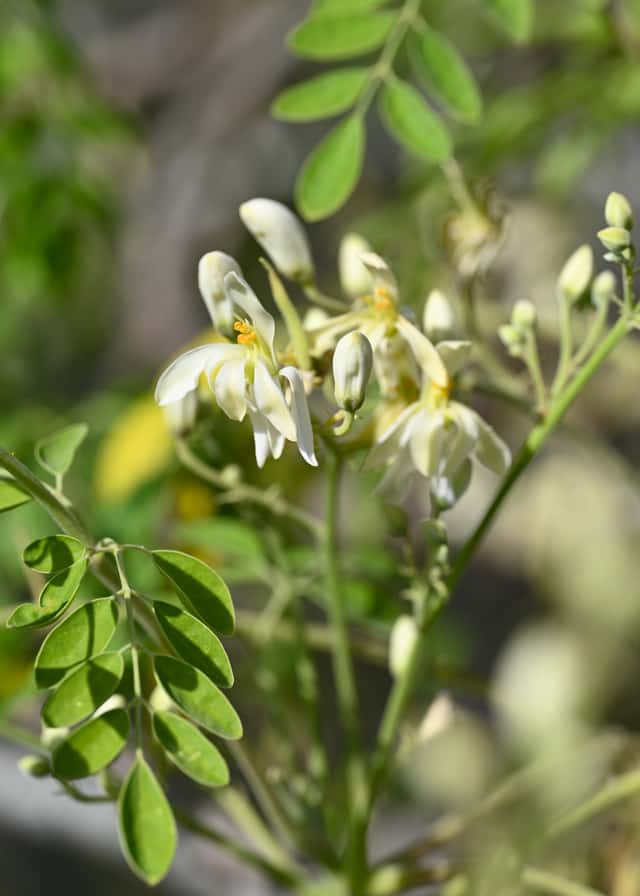
Moringa oleifera, commonly known as the drumstick tree, horseradish tree, or ben oil tree, is a fast-growing, drought-resistant tree native to the foothills of the Himalayas. It is widely cultivated in tropical and subtropical areas for its highly nutritious leaves, pods, seeds, and flowers. The tree has a slender trunk, a spreading crown, and compound leaves that are feathery in appearance. It produces clusters of fragrant, white to cream-colored flowers and long, slender, triangular pods.
How to Propagate Moringa?
Seed Propagation
- Moringa seeds have a high germination rate.
- Ensure good air circulation to prevent fungal diseases.
- 1 Prepare Seeds
Soak seeds in water for 12-24 hours to improve germination.
- 2 Prepare Potting Mix
Use a well-draining seed-starting mix or a blend of sand and compost.
- 3 Sow Seeds
Plant seeds about 1-2 cm deep in pots or directly in the ground.
- 4 Water and Provide Warmth
Keep the soil consistently moist but not waterlogged. Provide warmth (around 25-30°C) for best germination.
- 5 Transplant Seedlings
Once seedlings have developed a few sets of true leaves and are large enough to handle, transplant them to their final location.
Materials needed:
Stem Cutting Propagation
- Cuttings taken from younger, vigorous growth tend to root better.
- Avoid overwatering, which can lead to rot.
- 1 Select Cuttings
Take healthy, semi-hardwood cuttings, about 15-30 cm long, from a mature tree.
- 2 Prepare Cuttings
Remove the lower leaves and optionally dip the cut end in rooting hormone.
- 3 Plant Cuttings
Insert the cuttings into a well-draining medium, such as perlite, sand, or a mix of both.
- 4 Provide Warmth and Humidity
Keep the medium moist and maintain high humidity around the cuttings, perhaps by covering them with a plastic bag or using a propagator.
- 5 Monitor for Roots
Roots should develop within 4-8 weeks. Gently tug on the cutting to check for resistance.
Materials needed:
How Big Does Moringa Grow?
TLDR: Moringa can reach up to 12.0m tall with Fast growth rate.
Max height
12.0m
Spread
6.0m
Growth rate
Fast
Foliage
Semi-evergreen
Plant Uses
Edible
Can be consumed
Medicinal
Medicinal properties
Ornamental
Great for decoration
Medicinal Uses
- Leaves are used to treat malnutrition, boost immunity, and as an anti-inflammatory agent.
- Root bark has been used for its antiseptic and anti-diarrheal properties.
- Seed oil is used in traditional medicine for skin conditions and as a lubricant.
Culinary Uses
- The leaves are eaten as a vegetable, often cooked like spinach or added to soups and stews.
- The young pods (drumsticks) are a popular vegetable in South Asian cuisine, used in curries and sambars.
- The seeds can be eaten roasted or used to extract oil.
- The flowers are edible and can be cooked or used to make tea.
Is your plant showing symptoms?
Click on the symptom to discover possible causes:
What Diseases Commonly Affect Moringa?
TLDR: Moringa is susceptible to 15 known diseases. Monitor regularly for early detection.
Root Rot
Root rot is a serious fungal disease that affects the root system of plants, causing them to decay and die. It is primarily caused by overwatering, poor drainage, or soil-borne fungi such as Pythium, Phytophthora, Rhizoctonia, and Fusarium. The disease thrives in waterlogged conditions where roots are deprived of oxygen, making them susceptible to fungal infection.
Caterpillars
Caterpillars are the larval stage of moths and butterflies that feed voraciously on plant foliage, stems, flowers, and fruits. Common species include cabbage loopers, tomato hornworms, armyworms, and cutworms. These pests can cause extensive damage by consuming large amounts of plant tissue in a short time. They vary in size from small (1/4 inch) to large (5 inches), with colors ranging from green to brown, often featuring stripes or spots. Caterpillars are highly mobile and can quickly spread throughout gardens, making them one of the most destructive common pests.
Fusarium Wilt
Fusarium wilt is a serious fungal disease caused by the soil-borne fungus Fusarium oxysporum. The fungus invades roots and blocks the water-conducting vessels (xylem) of the plant, causing progressive wilting and eventual death. Host-specific forms of the pathogen exist that attack different plant species.
Anthracnose
Anthracnose is a fungal disease caused by fungi in the genus Colletotrichum that affects many plants, including vegetables, fruits, and trees. The disease thrives in cool, wet conditions, causing dark, sunken lesions on leaves, stems, flowers, and fruits.
Meaning & Symbolism
In some cultures, Moringa is associated with prosperity, protection, and healing due to its numerous benefits.
Compare with similar plants
| Attribute | Difficulty | Light | Watering | Pet Safe |
|---|---|---|---|---|
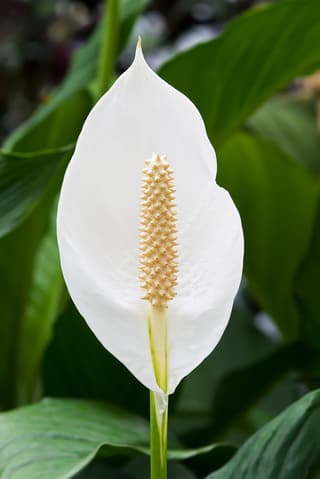
| Peace Lily | Easy | Low light | 4d | ⚠️ |
| Swiss Cheese Plant | Easy | Partial shade | 10d | ⚠️ |
| Golden Pothos | Easy | Low light | 8d | ⚠️ |
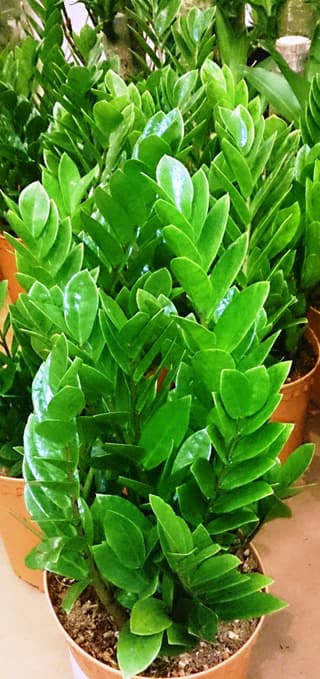
| ZZ Plant | Easy | Low light | 18d | ⚠️ |