Myrtaceae
Manuka: Aromatic Plant
Leptospermum scoparium
Requires full sun and well-drained acidic soil. It is crucial to maintain constant moisture, as the plant does not tolerate prolonged droughts or waterlogged roots.
Every 10 days
Direct sun
4° - 30°C
40% - 70%
Categories
What is Manuka?
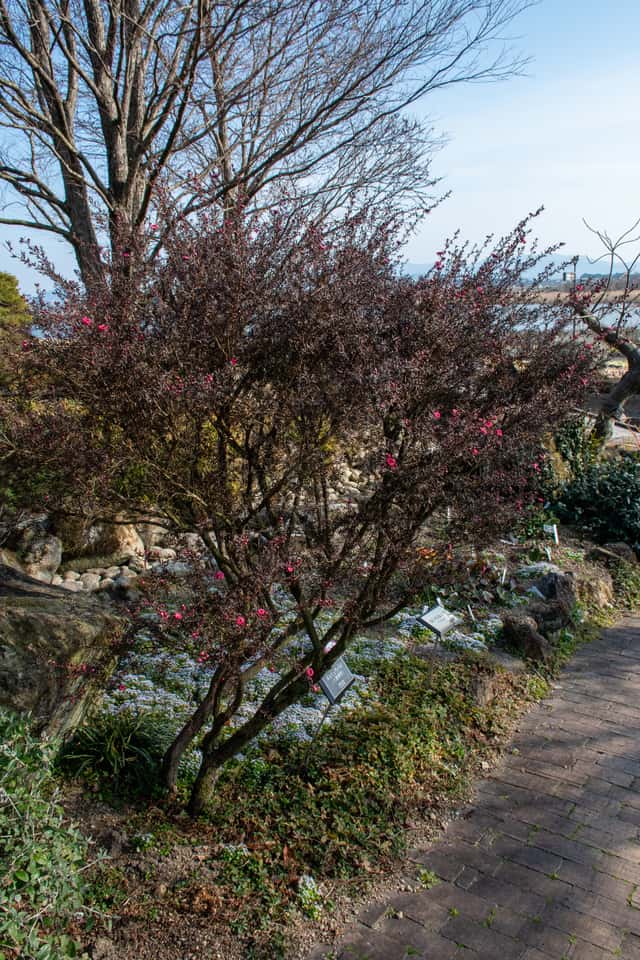
Manuka (Leptospermum scoparium) is a medium-care plant from the Myrtaceae family. Leptospermum scoparium, commonly known as Manuka or New Zealand Tea Tree, is an evergreen shrub native to New Zealand and southeast Australia. It is widely recognized for its delicate five-petaled flowers and small, pointed, intensely aromatic leaves. This plant is the primary source for the product...
Manuka grows up to 3.0m, with spread of 300cm, watering every 10 days, 4°C – 30°C, 40–70% humidity. It is suitable for indoor environments and safe for pets.
Unlike many popular species, Manuka is safe to keep around pets. Without adequate drainage, root rot can develop within 20 days.
How to Care for Manuka?
TLDR: Manuka needs Direct sun, watering every 10 days, and temperatures between 4-30°C with 40-70% humidity.
How Often Should You Water Manuka?
Water whenever the top layer of soil begins to dry out. If the leaves start to drop, the plant is likely suffering from a lack of water.
How Much Light Does Manuka Need?
For abundant flowering, Manuka should receive at least 6 hours of direct sunlight daily.
What Is the Best Soil for Manuka?
Use a mix for acid-loving plants (such as those for azaleas) to ensure the correct pH.
What Pot Should You Use for Manuka?
Terracotta pots with generous drainage holes to prevent water accumulation at the roots.
Care Schedule
Fertilize
Every 14 days
Repot
Every 730 days
What Is Manuka and Where Does It Come From?
Leptospermum scoparium, commonly known as Manuka or New Zealand Tea Tree, is an evergreen shrub native to New Zealand and southeast Australia. It is widely recognized for its delicate five-petaled flowers and small, pointed, intensely aromatic leaves. This plant is the primary source for the production of the famous Manuka honey, valued worldwide for its unique antibacterial properties.
How to Propagate Manuka?
Semi-hardwood cuttings
- Use a plastic cover to maintain humidity around the cutting
- Avoid strong direct sunlight during rooting
- 1 Cutting the Stem
Cut a healthy branch approximately 10-15 cm long that has no flowers.
- 2 Preparation
Remove the leaves from the bottom half and dip the base in rooting hormone.
- 3 Planting
Insert into a light substrate composed of sand and peat, keeping it in a bright and humid location.
Materials needed:
Sowing
- The seeds are very small; avoid drafts when sowing
- Germination can be irregular
- 1 Collection
Collect dry seed capsules after flowering.
- 2 Sowing
Spread the fine seeds over the surface of well-drained soil without covering them completely.
- 3 Maintenance
Keep the soil moist with a spray bottle until seedlings appear.
Materials needed:
How Big Does Manuka Grow?
TLDR: Manuka can reach up to 3.0m tall with Medium growth rate.
Max height
3.0m
Spread
3.0m
Growth rate
Medium
Foliage
Evergreen
Plant Uses
Ornamental
Great for decoration
Edible
Can be consumed
Medicinal
Medicinal properties
Aromatic
Pleasant fragrance
Medicinal Uses
- Antibacterial and antiseptic properties
- Treatment of skin conditions and wounds
- Relief of respiratory symptoms through essential oil inhalation
Culinary Uses
- Manuka honey (produced by bees)
- Infusion of leaves for tea
- Use of branches for smoking food
Is your plant showing symptoms?
Click on the symptom to discover possible causes:
What Diseases Commonly Affect Manuka?
TLDR: Manuka is susceptible to 13 known diseases. Monitor regularly for early detection.
Phytophthora Root Rot
Disease caused by fungus-like organisms (oomycetes) that live in soil and can survive for years. It affects roots, stem, and crown of plants, being especially severe in waterlogged or poorly drained soils. It is the second most common cause of root rot in trees and shrubs.
Root Rot
Root rot is a serious fungal disease that affects the root system of plants, causing them to decay and die. It is primarily caused by overwatering, poor drainage, or soil-borne fungi such as Pythium, Phytophthora, Rhizoctonia, and Fusarium. The disease thrives in waterlogged conditions where roots are deprived of oxygen, making them susceptible to fungal infection.
Overwatering
Overwatering occurs when plants receive too much water, depriving roots of oxygen and causing root rot. This environmental stress is one of the most common causes of houseplant death, as waterlogged soil prevents roots from breathing and functioning properly.
Scale Insects
Scale insects are small sap-sucking pests that appear as brown, shell-like bumps on plant stems and leaves. There are over 25 species, divided into armored (hard) and unarmored (soft) scales. They feed by piercing plant tissue and extracting sap, which weakens the plant and can lead to yellowing, stunted growth, and even death if left untreated. They also excrete honeydew, which attracts ants and promotes sooty mold growth.
Meaning & Symbolism
Symbolizes healing, renewal, and the life force that emerges in difficult soils.
Compare with similar plants
| Attribute | Difficulty | Light | Watering | Pet Safe |
|---|---|---|---|---|
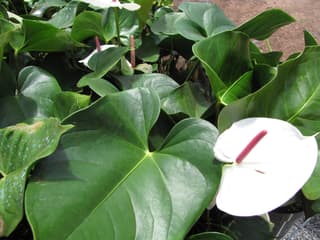
| Flamingo Flower | Medium | Partial shade | 5d | ⚠️ |
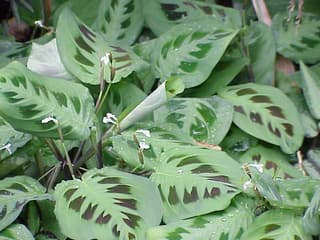
| Prayer Plant | Medium | Partial shade | 3d | ✓ |
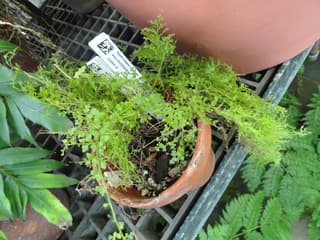
| Boston Fern | Medium | Partial shade | 3d | ✓ |
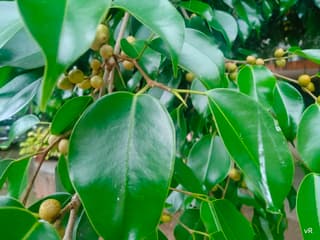
| Weeping Fig | Medium | Partial shade | 10d | ⚠️ |