Orchidaceae
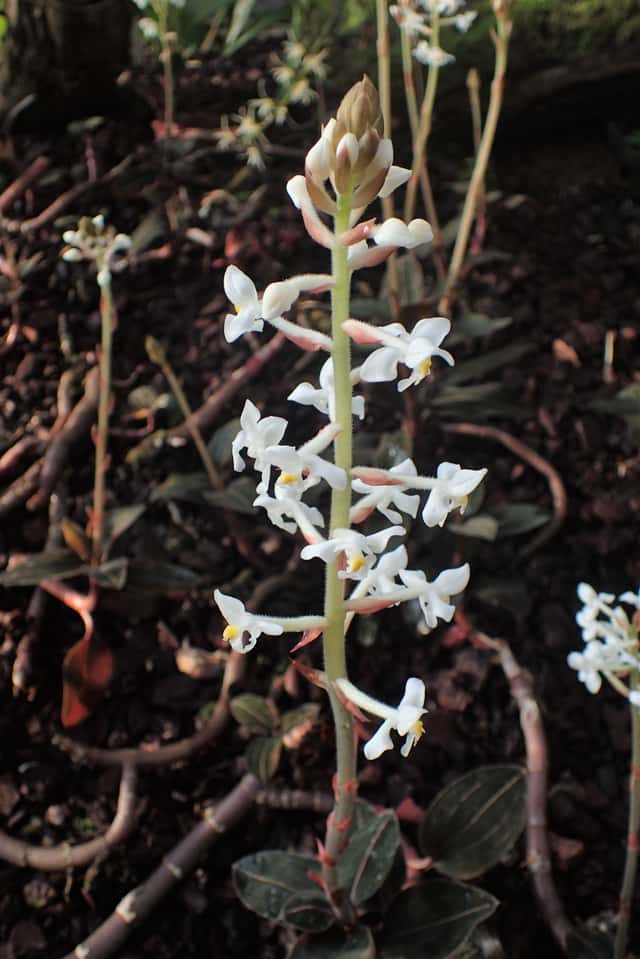
Jewel Orchid (Ludisia discolor)
Ludisia discolor
An easy-care terrestrial orchid that thrives in low to moderate indirect light with consistent moisture. Keep humidity between 50-70% and avoid direct sunlight. Water when the top inch of soil dries out. One of the easiest orchids to grow indoors, comparable to African violets in care requirements.
Every 7 days
Low light
12° - 27°C
50% - 70%
Categories
What is Jewel Orchid?
Jewel Orchid (Ludisia discolor) is a easy-care plant from the Orchidaceae family. Ludisia discolor, commonly known as the Jewel Orchid, is a terrestrial orchid prized for its stunning velvety foliage rather than its flowers. Native to the tropical forests of Southeast Asia, this orchid features deep green to nearly black leaves adorned with shimmering gold, red, or pink veins and...
Jewel Orchid grows up to 45cm, with spread of 50cm, watering every 7 days, 12°C – 27°C, 50–70% humidity. It is suitable for indoor environments and safe for pets.
Unlike many tropical plants, Jewel Orchid tolerates watering mistakes. Best for beginners. Unlike many popular species, Jewel Orchid is safe to keep around pets. Without adequate drainage, root rot can develop within 14 days.
How to Care for Jewel Orchid?
TLDR: Jewel Orchid needs Low light, watering every 7 days, and temperatures between 12-27°C with 50-70% humidity.
How Often Should You Water Jewel Orchid?
Water approximately once a week, allowing the top inch of soil to dry between waterings. Use lukewarm distilled or filtered water. Reduce watering in winter to every 2-3 weeks. Never let the plant sit in waterlogged soil as the rhizomes are prone to rot.
How Much Light Does Jewel Orchid Need?
Provide low to moderate indirect light. An east-facing window with gentle morning sun is ideal. Avoid direct sunlight, which will scorch the leaves and fade their striking coloration. This orchid naturally grows on the forest floor and tolerates shaded conditions well.
What Is the Best Soil for Jewel Orchid?
Use a well-draining orchid mix with peat moss or coco coir, perlite, and orchid bark. A slightly acidic to neutral pH (6.0-8.0) is ideal. Unlike epiphytic orchids, Ludisia discolor grows in soil and prefers a consistently moist but never waterlogged growing medium.
What Pot Should You Use for Jewel Orchid?
Use a wide, shallow pot (about 12-15cm deep) since the rhizomes spread horizontally. Terracotta or ceramic pots with drainage holes work well. The plant also thrives in terrariums due to its love of humidity.
Care Schedule
Fertilize
Every 14 days
Misting
Every 3 days
Repot
Every 730 days
What Is Jewel Orchid and Where Does It Come From?
Ludisia discolor, commonly known as the Jewel Orchid, is a terrestrial orchid prized for its stunning velvety foliage rather than its flowers. Native to the tropical forests of Southeast Asia, this orchid features deep green to nearly black leaves adorned with shimmering gold, red, or pink veins and burgundy undersides. Unlike most orchids, it grows in soil rather than on trees, spreading via creeping rhizomes to form dense, elegant clumps.
How to Propagate Jewel Orchid?
Stem cutting
Use clean, sharp scissors. Stem cuttings root easily in water or moist substrate. Change water weekly if rooting in water.
- 1 Cut a healthy rhizome section at least 8cm long with 2-3 leaves
- 2 Allow the cut end to dry for a few hours
- 3 Place in moist sphagnum moss or a well-draining orchid mix
- 4 Keep warm (20-25°C) and humid until new growth appears
Materials needed:
How Big Does Jewel Orchid Grow?
TLDR: Jewel Orchid can reach up to 45cm tall with Slow growth rate.
Max height
45cm
Spread
50cm
Growth rate
Slow
Foliage
Evergreen
Plant Uses
Ornamental
Great for decoration
Is your plant showing symptoms?
Click on the symptom to discover possible causes:
What Diseases Commonly Affect Jewel Orchid?
TLDR: Jewel Orchid is susceptible to 8 known diseases. Monitor regularly for early detection.
Root Rot
Root rot is a serious fungal disease that affects the root system of plants, causing them to decay and die. It is primarily caused by overwatering, poor drainage, or soil-borne fungi such as Pythium, Phytophthora, Rhizoctonia, and Fusarium. The disease thrives in waterlogged conditions where roots are deprived of oxygen, making them susceptible to fungal infection.
Powdery Mildew
Powdery mildew is a common fungal disease caused by various fungi species including Erysiphe, Podosphaera, Oïdium, and Leveillula. It affects over 10,000 plant species worldwide. The disease thrives in warm, dry climates with high humidity and appears as a distinctive white powdery coating on plant surfaces.
Leaf Spot
Leaf spot is a common fungal disease caused by various pathogens including Alternaria, Ascochyta, Colletotrichum, Septoria, and Venturia. It primarily affects leaves, causing discolored spots that can lead to premature leaf drop if left untreated.
Gray Mold (Botrytis Blight)
Gray mold, caused by the fungus Botrytis cinerea, is one of the most common fungal diseases in plants. It affects over 200 plant species, including ornamentals, vegetables, fruits, and houseplants. The disease thrives in cool, humid conditions with poor air circulation, causing grayish spots and soft rot on infected tissues.
Meaning & Symbolism
Elegance, beauty, and refinement. In some Asian cultures, orchids represent luxury and scholarly pursuit.
Fun Facts
Ludisia discolor is the only species in its genus, making it botanically unique among orchids
Unlike most orchids that grow on trees, the Jewel Orchid is terrestrial and grows in soil on the forest floor
It received the Royal Horticultural Society Award of Garden Merit for its outstanding garden performance
The plant is named for its jewel-like leaves, not its flowers — the velvety foliage with metallic veins is the main attraction
Frequently asked questions
How often should I water my Jewel Orchid?
Does the Jewel Orchid need high humidity?
Is the Jewel Orchid toxic to pets?
Why are my Jewel Orchid leaves losing color?
Compare with similar plants
| Attribute | Difficulty | Light | Watering | Pet Safe |
|---|---|---|---|---|
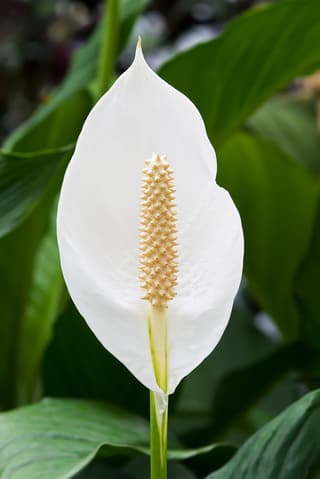
| Peace Lily | Easy | Low light | 4d | ⚠️ |
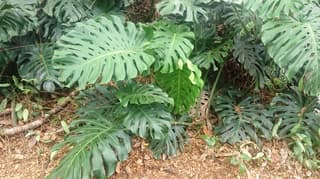
| Swiss Cheese Plant | Easy | Partial shade | 10d | ⚠️ |
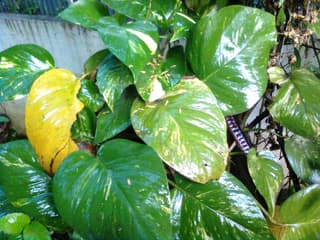
| Golden Pothos | Easy | Low light | 8d | ⚠️ |
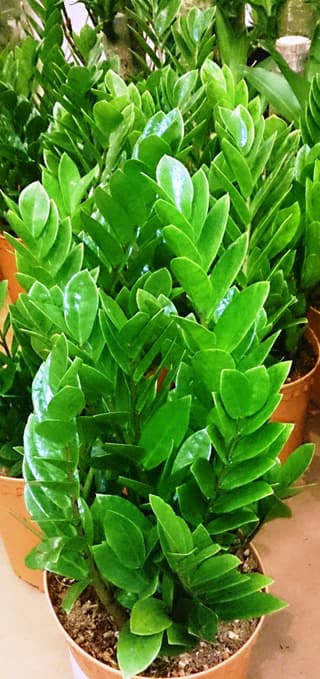
| ZZ Plant | Easy | Low light | 18d | ⚠️ |