Crassulaceae
Jelly Bean Plant: Full Sun Plant
Sedum pachyphyllum
An extremely resilient plant that thrives in direct sun and with little water. Ideal for beginners due to its drought tolerance and ease of propagation.
Every 14 days
Direct sun
-6° - 38°C
40% - 55%
Categories
What is Jelly Bean Plant?
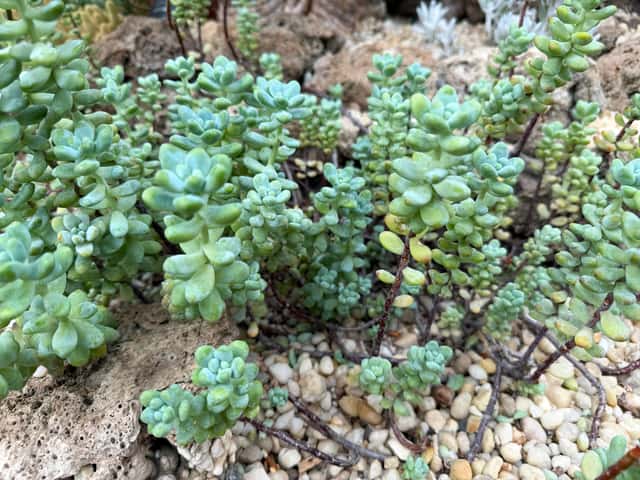
Jelly Bean Plant (Sedum pachyphyllum) is a easy-care plant from the Crassulaceae family. Sedum pachyphyllum is a charming perennial succulent native to Mexico. It is characterized by its short, cylindrical, fleshy leaves that grow on upright or slightly trailing stems. Its coloration is a pale bluish-green (glaucous), but what makes it special are the leaf tips, which turn bright red or...
Jelly Bean Plant grows up to 30cm, with spread of 92cm, watering every 14 days, -6°C – 38°C, 40–55% humidity. It is suitable for indoor environments and not safe for pets.
Unlike many tropical plants, Jelly Bean Plant tolerates watering mistakes. Best for beginners. Without precautions, ingestion can cause irritation in pets. Keep out of reach of cats and dogs. Without adequate drainage, root rot can develop within 28 days.
How to Care for Jelly Bean Plant?
TLDR: Jelly Bean Plant needs Direct sun, watering every 14 days, and temperatures between -6-38°C with 40-55% humidity.
How Often Should You Water Jelly Bean Plant?
Use the 'soak and dry' method: water thoroughly until water drains from the holes and only water again when the soil is 100% dry.
How Much Light Does Jelly Bean Plant Need?
To maintain the reddish tips and compact shape, the plant needs at least 6 hours of direct sun per day. In low-light locations, it may etiolate (become long and weak).
What Is the Best Soil for Jelly Bean Plant?
Use a mixture of 50% potting soil and 50% coarse sand or perlite. Fast drainage is vital to prevent root rot.
What Pot Should You Use for Jelly Bean Plant?
Clay or ceramic pots with drainage holes are ideal, as they allow the substrate to breathe and dry out more quickly.
Care Schedule
Fertilize
Every 30 days
What Is Jelly Bean Plant and Where Does It Come From?
Sedum pachyphyllum is a charming perennial succulent native to Mexico. It is characterized by its short, cylindrical, fleshy leaves that grow on upright or slightly trailing stems. Its coloration is a pale bluish-green (glaucous), but what makes it special are the leaf tips, which turn bright red or pink when the plant is exposed to full sun or moderate cold. It produces small, star-shaped yellow flowers during the spring.
How to Propagate Jelly Bean Plant?
Leaf propagation
- Do not water the leaves directly, just mist the soil lightly when dry.
- The mother leaf will naturally wither as the new plant grows.
- 1 Detach the leaf
Gently twist a healthy leaf from the stem until it comes off whole, without breaking the base.
- 2 Callous
Leave the leaf in a dry, shaded spot for 2 to 3 days so the wound can callous over.
- 3 Nursery
Place the leaf on a moist succulent substrate without burying it. Keep in indirect light.
Materials needed:
Stem cutting
- This method is faster than leaf propagation for obtaining an adult plant.
- Avoid watering immediately after planting to prevent stem rot.
- 1 Cut the stem
Cut a healthy stem about 5-10 cm long using sterilized scissors.
- 2 Cleaning
Remove the leaves from the bottom part of the cutting, leaving about 2 cm of bare stem.
- 3 Planting
After callousing for 2 days, insert the stem into dry substrate. Start watering lightly after a week.
Materials needed:
How Big Does Jelly Bean Plant Grow?
TLDR: Jelly Bean Plant can reach up to 30cm tall with Slow growth rate.
Max height
30cm
Spread
92cm
Growth rate
Slow
Foliage
Evergreen
Warning: Toxic Plant
This plant can be toxic if ingested. Keep out of reach of:
Plant Uses
Ornamental
Great for decoration
Is your plant showing symptoms?
Click on the symptom to discover possible causes:
What Diseases Commonly Affect Jelly Bean Plant?
TLDR: Jelly Bean Plant is susceptible to 12 known diseases. Monitor regularly for early detection.
Root Rot
Root rot is a serious fungal disease that affects the root system of plants, causing them to decay and die. It is primarily caused by overwatering, poor drainage, or soil-borne fungi such as Pythium, Phytophthora, Rhizoctonia, and Fusarium. The disease thrives in waterlogged conditions where roots are deprived of oxygen, making them susceptible to fungal infection.
Crown Rot
Crown rot is a serious fungal disease that attacks the crown (base) of the plant where the stem meets the soil. It is caused by various fungal pathogens including Phytophthora, Fusarium, and Rhizoctonia. The disease thrives in waterlogged conditions and can quickly spread to kill the entire plant if not addressed promptly.
Overwatering
Overwatering occurs when plants receive too much water, depriving roots of oxygen and causing root rot. This environmental stress is one of the most common causes of houseplant death, as waterlogged soil prevents roots from breathing and functioning properly.
Underwatering
Underwatering or drought stress is a physiological disorder that occurs when the amount of water a plant loses through transpiration exceeds the amount its roots can absorb from the soil. This leads to cellular dehydration and various visible symptoms that can compromise plant health and productivity.
Meaning & Symbolism
It symbolizes tenacity, patience, and the ability to store resources for difficult times.
Compare with similar plants
| Attribute | Difficulty | Light | Watering | Pet Safe |
|---|---|---|---|---|
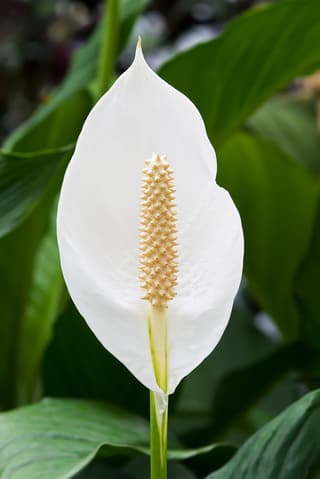
| Peace Lily | Easy | Low light | 4d | ⚠️ |
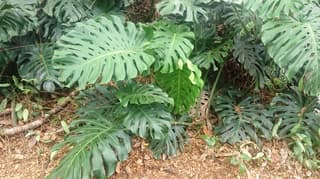
| Swiss Cheese Plant | Easy | Partial shade | 10d | ⚠️ |
| Golden Pothos | Easy | Low light | 8d | ⚠️ |
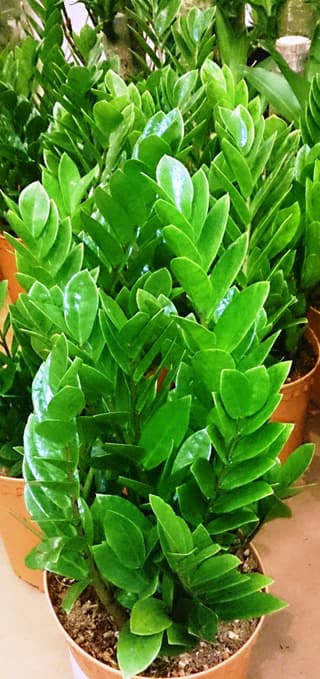
| ZZ Plant | Easy | Low light | 18d | ⚠️ |