Euphorbiaceae
Crown of Thorns (Euphorbia milii) - Complete Care Guide
Euphorbia milii
Place in full sun (6+ hours daily). Water every 2 weeks, letting soil dry completely between waterings. Use well-draining cactus mix. Keep above 10°C. Fertilize every 2 weeks during growing season with low-nitrogen fertilizer. Very drought tolerant — less is more with this plant.
Every 14 days
Direct sun
10° - 32°C
30% - 50%
Categories
What is Crown of Thorns?
Crown of Thorns (Euphorbia milii) is a easy-care plant from the Euphorbiaceae family. Euphorbia milii is a striking thorny succulent shrub native to Madagascar, prized for its colorful bracts that bloom nearly year-round. Despite its fierce thorns, it is one of the easiest flowering houseplants to grow, thriving on bright light and minimal water. The showy red, pink, white, or yellow...
Crown of Thorns grows up to 1.5m, with spread of 90cm, watering every 14 days, 10°C – 32°C, 30–50% humidity. It is suitable for indoor environments and not safe for pets.
Unlike many tropical plants, Crown of Thorns tolerates watering mistakes. Best for beginners. Without precautions, ingestion can cause irritation in pets. Keep out of reach of cats and dogs. Without adequate drainage, root rot can develop within 28 days.
How to Care for Crown of Thorns?
TLDR: Crown of Thorns needs Direct sun, watering every 14 days, and temperatures between 10-32°C with 30-50% humidity.
How Often Should You Water Crown of Thorns?
Water thoroughly every 2 weeks during growing season, allowing soil to dry completely between waterings. Reduce to once monthly in winter. Overwatering is the #1 killer — when in doubt, wait another few days.
How Much Light Does Crown of Thorns Need?
Needs full, direct sunlight — at least 6 hours daily. A south-facing window is ideal. More sun means more flowers. Supplement with grow lights if natural light is insufficient.
What Is the Best Soil for Crown of Thorns?
Use a well-draining cactus or succulent mix. You can make your own with equal parts potting soil, coarse sand, and perlite. Avoid rich or moisture-retaining soils, which encourage foliage over flowers.
What Pot Should You Use for Crown of Thorns?
Terracotta or unglazed clay pot with drainage holes. These materials wick moisture away from roots, preventing the overwatering that Crown of Thorns is most sensitive to.
Care Schedule
Fertilize
Every 14 days
Repot
Every 730 days
What Is Crown of Thorns and Where Does It Come From?
Euphorbia milii is a striking thorny succulent shrub native to Madagascar, prized for its colorful bracts that bloom nearly year-round. Despite its fierce thorns, it is one of the easiest flowering houseplants to grow, thriving on bright light and minimal water. The showy red, pink, white, or yellow bracts surround tiny true flowers, creating a vibrant display even in the driest conditions.
How to Propagate Crown of Thorns?
Stem cutting
Always wear gloves — the milky sap is irritating. Spring and early summer give the best success rate.
- 1 Cut a 3-6 inch stem tip using clean, sharp pruners
- 2 Rinse the cut end in cold water to stop the latex sap flow
- 3 Let the cutting dry for 2-3 days until a callus forms
- 4 Dip the callused end in rooting hormone with fungicide
- 5 Plant in a moist succulent mix and keep warm (21-27°C)
- 6 Water sparingly until roots develop in 5-8 weeks
Materials needed:
How Big Does Crown of Thorns Grow?
TLDR: Crown of Thorns can reach up to 1.5m tall with Slow growth rate.
Max height
1.5m
Spread
90cm
Growth rate
Slow
Foliage
Evergreen
Warning: Toxic Plant
This plant can be toxic if ingested. Keep out of reach of:
Plant Uses
Ornamental
Great for decoration
Is your plant showing symptoms?
Click on the symptom to discover possible causes:
What Diseases Commonly Affect Crown of Thorns?
TLDR: Crown of Thorns is susceptible to 9 known diseases. Monitor regularly for early detection.
Root Rot
Root rot is a serious fungal disease that affects the root system of plants, causing them to decay and die. It is primarily caused by overwatering, poor drainage, or soil-borne fungi such as Pythium, Phytophthora, Rhizoctonia, and Fusarium. The disease thrives in waterlogged conditions where roots are deprived of oxygen, making them susceptible to fungal infection.
Gray Mold (Botrytis Blight)
Gray mold, caused by the fungus Botrytis cinerea, is one of the most common fungal diseases in plants. It affects over 200 plant species, including ornamentals, vegetables, fruits, and houseplants. The disease thrives in cool, humid conditions with poor air circulation, causing grayish spots and soft rot on infected tissues.
Leaf Spot
Leaf spot is a common fungal disease caused by various pathogens including Alternaria, Ascochyta, Colletotrichum, Septoria, and Venturia. It primarily affects leaves, causing discolored spots that can lead to premature leaf drop if left untreated.
Mealybugs
Mealybugs are small, soft-bodied insects covered with a white, waxy, cottony material. They are common pests of houseplants and outdoor plants in mild climates. These sap-sucking insects feed on plant tissue, causing damage, stunted growth, and can lead to plant death if left untreated. They produce sticky honeydew which attracts sooty mold.
Meaning & Symbolism
Resilience and endurance; associated with the Crown of Thorns worn by Christ, symbolizing sacrifice and perseverance.
Fun Facts
Despite being called Crown of Thorns after the biblical reference, the plant is actually native to Madagascar, not the Middle East.
Euphorbia milii can bloom continuously year-round when given enough light, making it one of the longest-flowering houseplants.
The colorful "petals" are actually modified leaves called bracts — the true flowers are tiny and nearly invisible at the center.
Crown of Thorns is so drought-tolerant that it can survive weeks without water, storing moisture in its thick stems.
Frequently asked questions
How often should I water Crown of Thorns?
Why is my Crown of Thorns losing leaves?
Is Crown of Thorns toxic to pets?
How do I get my Crown of Thorns to bloom more?
Compare with similar plants
| Attribute | Difficulty | Light | Watering | Pet Safe |
|---|---|---|---|---|
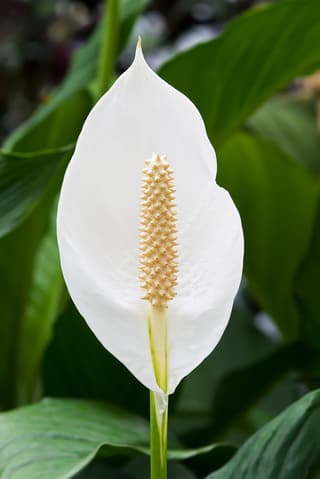
| Peace Lily | Easy | Low light | 4d | ⚠️ |
| Swiss Cheese Plant | Easy | Partial shade | 10d | ⚠️ |
| Golden Pothos | Easy | Low light | 8d | ⚠️ |
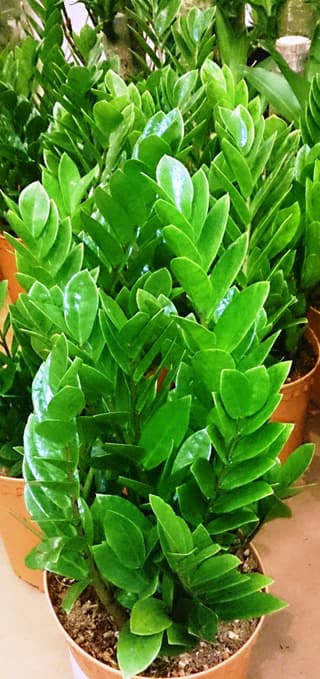
| ZZ Plant | Easy | Low light | 18d | ⚠️ |