Lythraceae
Crepe Myrtle: Full Sun Plant
Lagerstroemia indica
An easy-to-grow plant that requires full sun to bloom. It should be pruned annually in winter to stimulate new growth and maintain the desired shape.
Every 10 days
Direct sun
-20° - 38°C
30% - 50%
Categories
What is Crepe Myrtle?
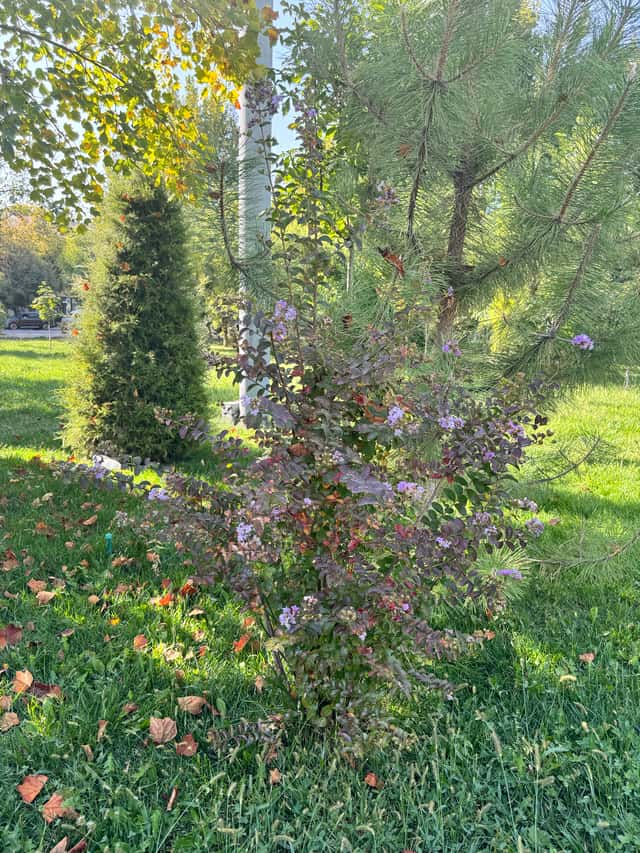
Crepe Myrtle (Lagerstroemia indica) is a easy-care plant from the Lythraceae family. Lagerstroemia indica, commonly known as Crepe Myrtle, is a small tree or large shrub native to Asia. It is widely cultivated in tropical and temperate climates due to its spectacular flowering that occurs in summer and fall. Its flowers have crinkled and delicate petals, resembling crepe paper. In a...
Crepe Myrtle grows up to 9.0m, with spread of 900cm, watering every 10 days, -20°C – 38°C, 30–50% humidity. It is not suitable for indoor environments and safe for pets.
Unlike many tropical plants, Crepe Myrtle tolerates watering mistakes. Best for beginners. Unlike many popular species, Crepe Myrtle is safe to keep around pets.
How to Care for Crepe Myrtle?
TLDR: Crepe Myrtle needs Direct sun, watering every 10 days, and temperatures between -20-38°C with 30-50% humidity.
How Often Should You Water Crepe Myrtle?
Keep the soil moist during the first year of planting. Once established, the plant is quite resistant to short periods of drought.
How Much Light Does Crepe Myrtle Need?
Crepe Myrtle needs direct sun all day. A lack of light drastically reduces flowering and encourages the appearance of fungi such as powdery mildew.
What Is the Best Soil for Crepe Myrtle?
It adapts to various soil types but prefers fertile, organic-rich soils with excellent drainage.
What Pot Should You Use for Crepe Myrtle?
It can be grown in large pots (minimum 50 liters) with drainage holes, but it reaches its full potential when planted directly in the ground.
Care Schedule
Fertilize
Every 30 days
What Is Crepe Myrtle and Where Does It Come From?
Lagerstroemia indica, commonly known as Crepe Myrtle, is a small tree or large shrub native to Asia. It is widely cultivated in tropical and temperate climates due to its spectacular flowering that occurs in summer and fall. Its flowers have crinkled and delicate petals, resembling crepe paper. In addition to the flowers, it stands out for its smooth, light-colored trunk that peels to reveal brown tones, providing ornamental interest even in winter when the plant loses its leaves.
How to Propagate Crepe Myrtle?
Stem Cuttings
- Keep the substrate always moist, but never waterlogged.
- Use clean and sharp pruning shears to prevent diseases.
- 1 Branch Selection
Cut a semi-hardwood branch approximately 6-8 inches (15-20 cm) long during the plant's dormancy period.
- 2 Preparation
Remove the leaves from the base and, if desired, dip the tip in rooting hormone to speed up the process.
- 3 Planting
Plant in a light substrate and maintain constant moisture in a location protected from strong direct sun until rooted.
Materials needed:
Seed Propagation
- Seeds do not require prior treatment, but light helps with germination.
- 1 Collection
Collect seeds from the dry capsules that form after the flowers fall.
- 2 Sowing
Sow in trays with germination substrate in early spring.
- 3 Care
Keep the substrate moist and in a well-lit place until the seedlings are strong enough for transplanting.
Materials needed:
How Big Does Crepe Myrtle Grow?
TLDR: Crepe Myrtle can reach up to 9.0m tall with Fast growth rate.
Max height
9.0m
Spread
9.0m
Growth rate
Fast
Foliage
Deciduous
Plant Uses
Ornamental
Great for decoration
Is your plant showing symptoms?
Click on the symptom to discover possible causes:
What Diseases Commonly Affect Crepe Myrtle?
TLDR: Crepe Myrtle is susceptible to 6 known diseases. Monitor regularly for early detection.
Powdery Mildew
Powdery mildew is a common fungal disease caused by various fungi species including Erysiphe, Podosphaera, Oïdium, and Leveillula. It affects over 10,000 plant species worldwide. The disease thrives in warm, dry climates with high humidity and appears as a distinctive white powdery coating on plant surfaces.
Cercospora Leaf Spot
Cercospora leaf spot is a common fungal disease caused by Cercospora species that affects many plant types, particularly beets, roses, and leafy vegetables. The disease thrives in warm, humid conditions and can cause significant defoliation, reducing plant vigor and yield. It spreads rapidly through water splash, wind, and contaminated tools.
Aphids
Aphids are small, soft-bodied, pear-shaped insects (1/16 to 1/8 inch long) that feed by sucking nutrient-rich sap from plants. They reproduce rapidly and can quickly weaken plants, causing distorted growth and transmitting plant viruses. Aphids come in various colors including green, black, red, yellow, brown, and gray. They secrete honeydew, a sticky substance that attracts ants and encourages sooty mold growth.
Sooty Mold
Sooty mold is a fungal disease that develops on surfaces coated with honeydew, a sticky sweet substance secreted by sap-sucking insects like aphids, scale insects, and whiteflies. While it does not directly infect plant tissue, it reduces photosynthetic capacity by blocking sunlight and diminishes the plant's aesthetic appearance.
Meaning & Symbolism
Symbolizes eloquence, lasting beauty, and the cyclical renewal of nature.
Compare with similar plants
| Attribute | Difficulty | Light | Watering | Pet Safe |
|---|---|---|---|---|
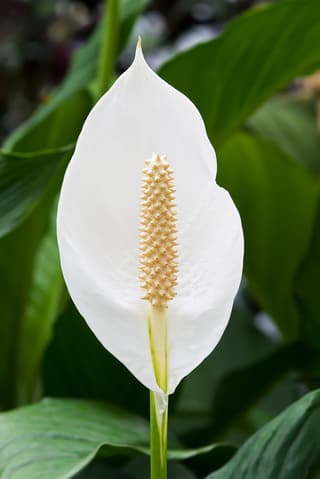
| Peace Lily | Easy | Low light | 4d | ⚠️ |
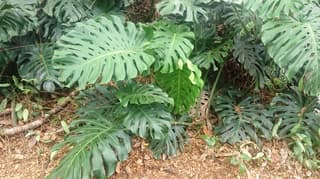
| Swiss Cheese Plant | Easy | Partial shade | 10d | ⚠️ |
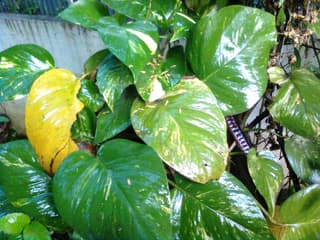
| Golden Pothos | Easy | Low light | 8d | ⚠️ |
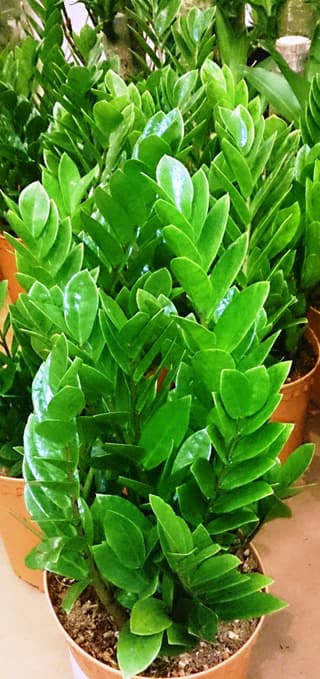
| ZZ Plant | Easy | Low light | 18d | ⚠️ |