Asparagaceae
Cast Iron Plant: Best for Low Light
Aspidistra elatior
An extremely low-maintenance plant that thrives on neglect. Water when soil is dry, place in low to moderate light, and fertilize sparingly once a year. Avoid direct sunlight which can scorch leaves.
Every 10 days
Low light
7° - 27°C
30% - 50%
Categories
What is Cast Iron Plant?
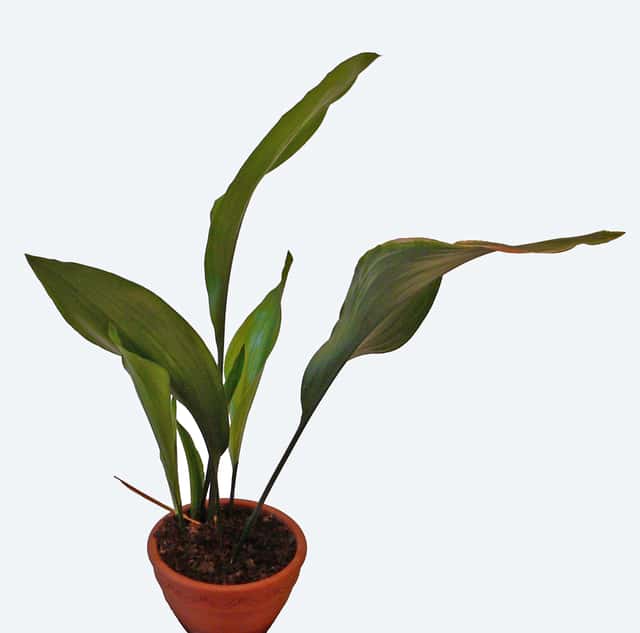
Cast Iron Plant (Aspidistra elatior) is a easy-care plant from the Asparagaceae family. The Cast Iron Plant is a classic, low-maintenance houseplant native to the shady forest floors of Japan. Known for its dark green, glossy leaves that can grow up to 60cm long, this remarkably resilient plant earns its name from its ability to tolerate neglect, low light, and varying temperatures. It...
Cast Iron Plant grows up to 90cm, with spread of 60cm, watering every 10 days, 7°C – 27°C, 30–50% humidity. It is suitable for indoor environments and safe for pets.
Unlike many tropical plants, Cast Iron Plant tolerates watering mistakes. Best for beginners. Unlike many popular species, Cast Iron Plant is safe to keep around pets. Without adequate drainage, root rot can develop within 20 days.
How to Care for Cast Iron Plant?
TLDR: Cast Iron Plant needs Low light, watering every 10 days, and temperatures between 7-27°C with 30-50% humidity.
How Often Should You Water Cast Iron Plant?
Water when the top inch of soil is dry, typically every 7-10 days in summer and every 10-14 days in winter. This drought-tolerant plant prefers to dry out slightly between waterings. Avoid overwatering to prevent root rot.
How Much Light Does Cast Iron Plant Need?
Thrives in low to moderate indirect light, making it perfect for darker corners. Avoid direct sunlight which can bleach and scorch the leaves. Can survive in very low light conditions though growth will be slower.
What Is the Best Soil for Cast Iron Plant?
Use well-draining, rich loamy soil with a slightly acidic pH (5.5-6.5). A mix of potting soil with perlite and peat moss works well. Good drainage is essential to prevent root rot.
What Pot Should You Use for Cast Iron Plant?
Use a sturdy pot with good drainage holes. Terracotta or ceramic pots work well as they allow soil to dry properly. The pot should be only slightly larger than the root ball as Cast Iron Plants prefer to be slightly root-bound.
Care Schedule
Fertilize
Every 365 days
Repot
Every 1095 days
What Is Cast Iron Plant and Where Does It Come From?
The Cast Iron Plant is a classic, low-maintenance houseplant native to the shady forest floors of Japan. Known for its dark green, glossy leaves that can grow up to 60cm long, this remarkably resilient plant earns its name from its ability to tolerate neglect, low light, and varying temperatures. It has been a popular Victorian parlor plant and remains an excellent choice for beginners or challenging growing conditions.
How to Propagate Cast Iron Plant?
Division
Division is the most successful propagation method for Cast Iron Plants. Best done during repotting in spring.
- 1 Wait until the plant is root-bound or has multiple crowns
- 2 Remove the plant from its pot in spring
- 3 Gently separate the rhizomes ensuring each division has at least 2-3 leaves
- 4 Plant divisions in fresh, well-draining potting mix
- 5 Water thoroughly and place in low light until established
Materials needed:
How Big Does Cast Iron Plant Grow?
TLDR: Cast Iron Plant can reach up to 90cm tall with Slow growth rate.
Max height
90cm
Spread
60cm
Growth rate
Slow
Foliage
Evergreen
Plant Uses
Ornamental
Great for decoration
Air Purifying
Improves air quality
Culinary Uses
- Leaves are traditionally used in Japan to separate food items in bento boxes
Is your plant showing symptoms?
Click on the symptom to discover possible causes:
What Diseases Commonly Affect Cast Iron Plant?
TLDR: Cast Iron Plant is susceptible to 11 known diseases. Monitor regularly for early detection.
Root Rot
Root rot is a serious fungal disease that affects the root system of plants, causing them to decay and die. It is primarily caused by overwatering, poor drainage, or soil-borne fungi such as Pythium, Phytophthora, Rhizoctonia, and Fusarium. The disease thrives in waterlogged conditions where roots are deprived of oxygen, making them susceptible to fungal infection.
Leaf Spot
Leaf spot is a common fungal disease caused by various pathogens including Alternaria, Ascochyta, Colletotrichum, Septoria, and Venturia. It primarily affects leaves, causing discolored spots that can lead to premature leaf drop if left untreated.
Fusarium Wilt
Fusarium wilt is a serious fungal disease caused by the soil-borne fungus Fusarium oxysporum. The fungus invades roots and blocks the water-conducting vessels (xylem) of the plant, causing progressive wilting and eventual death. Host-specific forms of the pathogen exist that attack different plant species.
Southern Blight
Southern blight is a devastating soilborne fungal disease caused by Athelia rolfsii (formerly Sclerotium rolfsii), affecting over 500 plant species including vegetables, ornamentals, and fruit crops. The fungus survives in soil through resting structures called sclerotia that resemble mustard seeds and can remain viable for years.
Meaning & Symbolism
Symbolizes resilience, endurance, and the ability to thrive in challenging conditions. Its longevity and hardiness represent steadfastness and perseverance.
Compare with similar plants
| Attribute | Difficulty | Light | Watering | Pet Safe |
|---|---|---|---|---|
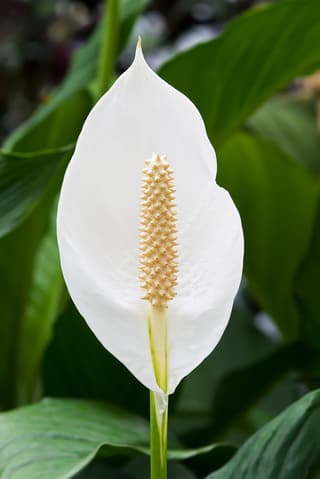
| Peace Lily | Easy | Low light | 4d | ⚠️ |
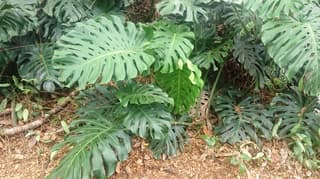
| Swiss Cheese Plant | Easy | Partial shade | 10d | ⚠️ |
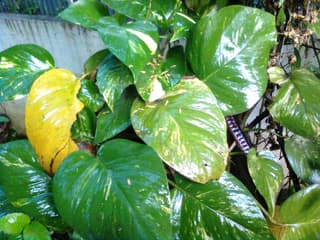
| Golden Pothos | Easy | Low light | 8d | ⚠️ |
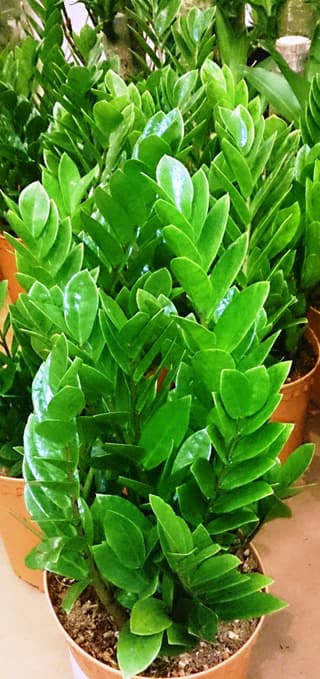
| ZZ Plant | Easy | Low light | 18d | ⚠️ |