Lauraceae
Camphor tree: Aromatic Plant
Cinnamomum camphora
Prefers locations with high light or full sun and well-drained soil. Requires regular watering but is sensitive to waterlogged roots.
Every 14 days
Direct sun
-6° - 38°C
40% - 70%
Categories
What is Camphor tree?
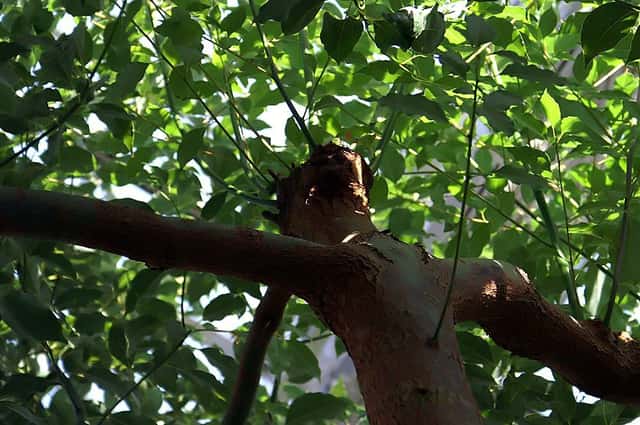
Camphor tree (Cinnamomum camphora) is a medium-care plant from the Lauraceae family. The Camphor tree is a majestic evergreen tree, native to East Asia, famous for its aromatic wood and the production of camphor. Its leaves are leathery, glossy, and release a characteristic fragrance when crushed. In spring, it produces small clusters of white or cream flowers, followed by small bla...
Camphor tree grows up to 15.0m, with spread of 2100cm, watering every 14 days, -6°C – 38°C, 40–70% humidity. It is not suitable for indoor environments and not safe for pets.
Without precautions, ingestion can cause irritation in pets. Keep out of reach of cats and dogs.
How to Care for Camphor tree?
TLDR: Camphor tree needs Direct sun, watering every 14 days, and temperatures between -6-38°C with 40-70% humidity.
How Often Should You Water Camphor tree?
Water whenever the top of the soil (2-3 cm) is dry to the touch. In winter, reduce the frequency.
How Much Light Does Camphor tree Need?
For vigorous growth, position the plant where it receives at least 6 hours of direct sunlight per day.
What Is the Best Soil for Camphor tree?
Use a mixture rich in organic matter, but with a good proportion of sand or perlite to ensure drainage.
What Pot Should You Use for Camphor tree?
Large ceramic or terracotta pots with excellent drainage to accommodate the expanding root system.
Care Schedule
Fertilize
Every 90 days
What Is Camphor tree and Where Does It Come From?
The Camphor tree is a majestic evergreen tree, native to East Asia, famous for its aromatic wood and the production of camphor. Its leaves are leathery, glossy, and release a characteristic fragrance when crushed. In spring, it produces small clusters of white or cream flowers, followed by small black fruits. Although it reaches large proportions in the wild, it can be grown in large pots or as a bonsai in its early years.
How to Propagate Camphor tree?
Sowing
- Fresh seeds have a significantly higher germination rate.
- Maintain constant moisture without waterlogging.
- 1 Seed Preparation
Harvest ripe fruits and remove the fleshy pulp to extract the seeds.
- 2 Sowing
Plant the seeds in a light substrate and keep it constantly moist.
- 3 Germination
Keep in a warm place with indirect light until seedlings emerge.
Materials needed:
Stem Cuttings
- Use a greenhouse or plastic cover to maintain high humidity around the cutting.
- Avoid intense direct sunlight during rooting.
- 1 Cutting
Take semi-hardwood cuttings approximately 10-15 cm long.
- 2 Treatment
Apply rooting hormone to the base of the cutting to stimulate growth.
- 3 Planting
Insert into a sand and peat substrate, maintaining high environmental humidity.
Materials needed:
How Big Does Camphor tree Grow?
TLDR: Camphor tree can reach up to 15.0m tall with Fast growth rate.
Max height
15.0m
Spread
21.0m
Growth rate
Fast
Foliage
Evergreen
Warning: Toxic Plant
This plant can be toxic if ingested. Keep out of reach of:
Plant Uses
Ornamental
Great for decoration
Medicinal
Medicinal properties
Aromatic
Pleasant fragrance
Medicinal Uses
- Relief of muscle and joint pain
- Antiseptic properties
- Use as a decongestant in balms
- Natural insect repellent
Is your plant showing symptoms?
Click on the symptom to discover possible causes:
What Diseases Commonly Affect Camphor tree?
TLDR: Camphor tree is susceptible to 7 known diseases. Monitor regularly for early detection.
Root Rot
Root rot is a serious fungal disease that affects the root system of plants, causing them to decay and die. It is primarily caused by overwatering, poor drainage, or soil-borne fungi such as Pythium, Phytophthora, Rhizoctonia, and Fusarium. The disease thrives in waterlogged conditions where roots are deprived of oxygen, making them susceptible to fungal infection.
Spider Mites
Spider mites are tiny arachnids (less than 1/20 inch long) related to spiders and ticks that feed on plant sap. They thrive in hot, dry conditions and can cause significant damage to ornamental and vegetable plants. During severe infestations, crop losses can reach 14% or higher as these pests disrupt vital plant processes including photosynthesis, carbon dioxide absorption, and transpiration.
Scale Insects
Scale insects are small sap-sucking pests that appear as brown, shell-like bumps on plant stems and leaves. There are over 25 species, divided into armored (hard) and unarmored (soft) scales. They feed by piercing plant tissue and extracting sap, which weakens the plant and can lead to yellowing, stunted growth, and even death if left untreated. They also excrete honeydew, which attracts ants and promotes sooty mold growth.
Anthracnose
Anthracnose is a fungal disease caused by fungi in the genus Colletotrichum that affects many plants, including vegetables, fruits, and trees. The disease thrives in cool, wet conditions, causing dark, sunken lesions on leaves, stems, flowers, and fruits.
Meaning & Symbolism
Symbolizes immortality, spiritual purification, and resilience in many Asian cultures.
Compare with similar plants
| Attribute | Difficulty | Light | Watering | Pet Safe |
|---|---|---|---|---|
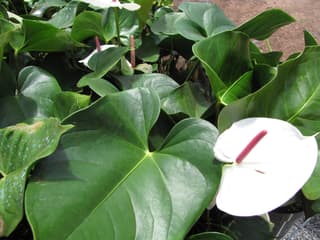
| Flamingo Flower | Medium | Partial shade | 5d | ⚠️ |
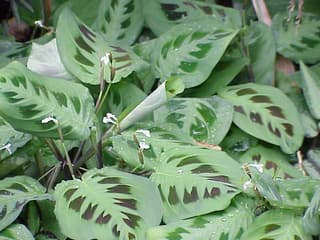
| Prayer Plant | Medium | Partial shade | 3d | ✓ |
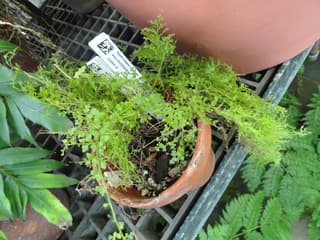
| Boston Fern | Medium | Partial shade | 3d | ✓ |
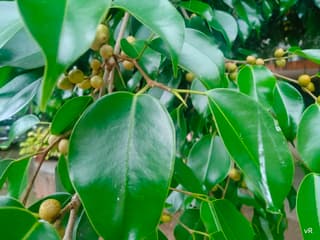
| Weeping Fig | Medium | Partial shade | 10d | ⚠️ |