Amaryllidaceae
Blue Griffin Lily: Best for Low Light
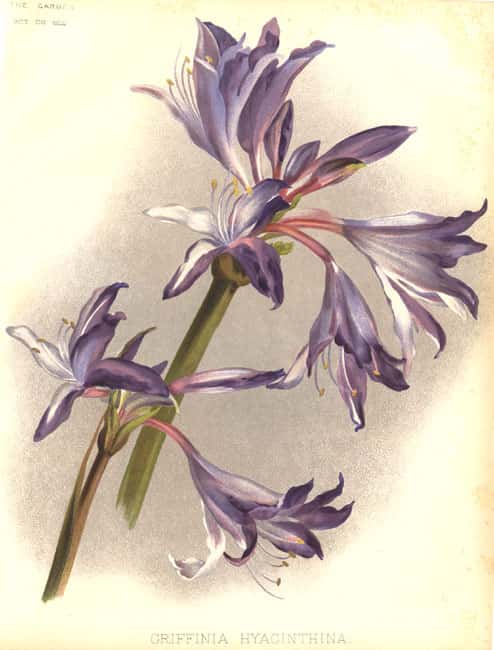
Griffinia hyacinthina
Requires soil rich in organic matter, constant moisture, and filtered light. Avoid direct sunlight and protect from intense cold.
Every 7 days
Low light
18° - 28°C
70% - 90%
Categories
What is Blue Griffin Lily?
Blue Griffin Lily (Griffinia hyacinthina) is a easy-care plant from the Amaryllidaceae family. Griffinia hyacinthina is a rare and stunning bulbous plant native to the Brazilian Atlantic Forest. It is known for its deep violet-blue flowers with white centers, which resemble hyacinths. Its leaves are broad, green, and glossy, often featuring small light spots. As an understory species, it is i...
Blue Griffin Lily grows up to 60cm, with spread of 40cm, watering every 7 days, 18°C – 28°C, 70–90% humidity. It is suitable for indoor environments and not safe for pets.
Unlike many tropical plants, Blue Griffin Lily tolerates watering mistakes. Best for beginners. Without precautions, ingestion can cause irritation in pets. Keep out of reach of cats and dogs. Without adequate drainage, root rot can develop within 14 days.
How to Care for Blue Griffin Lily?
TLDR: Blue Griffin Lily needs Low light, watering every 7 days, and temperatures between 18-28°C with 70-90% humidity.
How Often Should You Water Blue Griffin Lily?
Keep the soil evenly moist but never waterlogged. Reduce watering slightly after the flowering period.
How Much Light Does Blue Griffin Lily Need?
Prefers bright indirect light. Direct midday sun can burn its delicate leaves.
What Is the Best Soil for Blue Griffin Lily?
Use a humus-rich mixture with good drainage, simulating the tropical rainforest floor.
What Pot Should You Use for Blue Griffin Lily?
Ceramic or terracotta pots with drainage holes to maintain moisture without water accumulation.
Care Schedule
Fertilize
Every 60 days
Misting
Every 3 days
Rotate
Every 14 days
Repot
Every 730 days
What Is Blue Griffin Lily and Where Does It Come From?
Griffinia hyacinthina is a rare and stunning bulbous plant native to the Brazilian Atlantic Forest. It is known for its deep violet-blue flowers with white centers, which resemble hyacinths. Its leaves are broad, green, and glossy, often featuring small light spots. As an understory species, it is ideal for indoor environments with bright indirect light or shaded gardens.
How to Propagate Blue Griffin Lily?
Bulb division
- Ensure each division has its own roots.
- Keep the substrate moist after replanting.
- 1 Removal
Carefully remove the plant from the pot to avoid damaging the fragile roots.
- 2 Separation
Separate the side bulbs (offsets) that have formed around the main bulb.
- 3 Planting
Plant each offset in a new pot with substrate rich in organic matter.
Materials needed:
Sowing
- Seeds lose viability quickly; plant them while they are fresh.
- Use a mini-greenhouse to maintain high humidity.
- 1 Harvesting
Harvest the seeds immediately after the fruits ripen, when they have turned black.
- 2 Sowing
Sow in a light substrate and keep in a warm, humid location.
- 3 Germination
Be patient, as germination can be slow and irregular.
Materials needed:
How Big Does Blue Griffin Lily Grow?
TLDR: Blue Griffin Lily can reach up to 60cm tall with Slow growth rate.
Max height
60cm
Spread
40cm
Growth rate
Slow
Foliage
Evergreen
Warning: Toxic Plant
This plant can be toxic if ingested. Keep out of reach of:
Plant Uses
Ornamental
Great for decoration
Is your plant showing symptoms?
Click on the symptom to discover possible causes:
What Diseases Commonly Affect Blue Griffin Lily?
TLDR: Blue Griffin Lily is susceptible to 8 known diseases. Monitor regularly for early detection.
Root Rot
Root rot is a serious fungal disease that affects the root system of plants, causing them to decay and die. It is primarily caused by overwatering, poor drainage, or soil-borne fungi such as Pythium, Phytophthora, Rhizoctonia, and Fusarium. The disease thrives in waterlogged conditions where roots are deprived of oxygen, making them susceptible to fungal infection.
Gray Mold (Botrytis Blight)
Gray mold, caused by the fungus Botrytis cinerea, is one of the most common fungal diseases in plants. It affects over 200 plant species, including ornamentals, vegetables, fruits, and houseplants. The disease thrives in cool, humid conditions with poor air circulation, causing grayish spots and soft rot on infected tissues.
White Mold
White mold (Sclerotinia sclerotiorum) is a devastating fungal disease affecting over 400 plant species worldwide. The fungus produces black, seed-like structures (sclerotia) that can survive in soil for 5 or more years. The disease is favored by cool, moist weather (50-68°F/10-20°C), especially during flowering.
Leaf Spot
Leaf spot is a common fungal disease caused by various pathogens including Alternaria, Ascochyta, Colletotrichum, Septoria, and Venturia. It primarily affects leaves, causing discolored spots that can lead to premature leaf drop if left untreated.
Meaning & Symbolism
Represents rarity, the hidden beauty of Brazilian forests, and serenity.
Compare with similar plants
| Attribute | Difficulty | Light | Watering | Pet Safe |
|---|---|---|---|---|
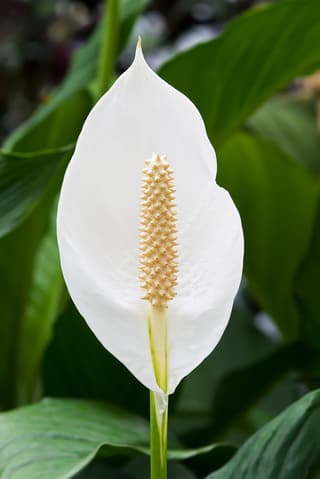
| Peace Lily | Easy | Low light | 4d | ⚠️ |
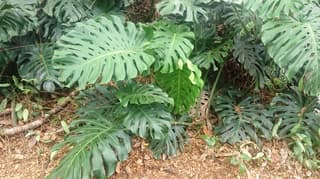
| Swiss Cheese Plant | Easy | Partial shade | 10d | ⚠️ |
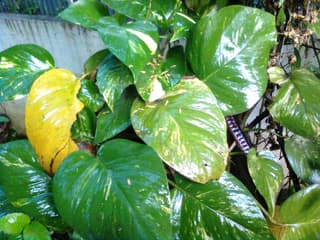
| Golden Pothos | Easy | Low light | 8d | ⚠️ |
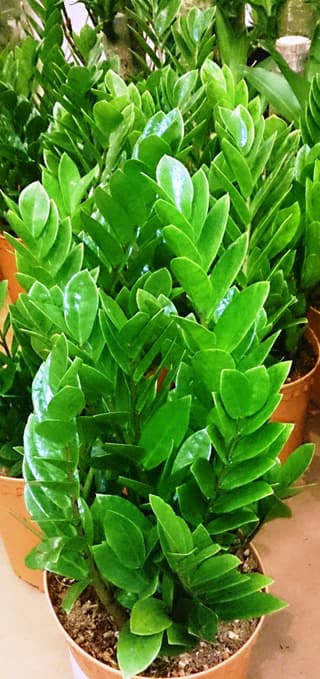
| ZZ Plant | Easy | Low light | 18d | ⚠️ |