Amaranthaceae
Bloodleaf: Ground Cover Plant
Iresine herbstii
Iresine thrives in warm, humid environments with bright light. The secret is never to let the soil dry out completely and to maintain high humidity.
Every 6 days
Bright indirect
13° - 32°C
60% - 80%
Categories
What is Bloodleaf?
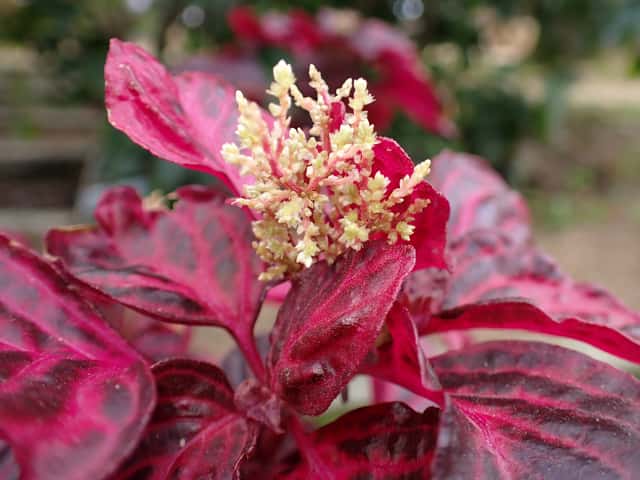
Bloodleaf (Iresine herbstii) is a easy-care plant from the Amaranthaceae family. Iresine herbstii is a stunning ornamental plant, famous for its oval and deeply colored leaves, ranging from crimson red to vibrant purple. Native to Brazil, it adds dramatic contrast to gardens and interiors. Its stems are also colored, creating a continuous visual effect. Although it produces smal...
Bloodleaf grows up to 61cm, with spread of 46cm, watering every 6 days, 13°C – 32°C, 60–80% humidity. It is suitable for indoor environments and safe for pets.
Unlike many tropical plants, Bloodleaf tolerates watering mistakes. Best for beginners. Unlike many popular species, Bloodleaf is safe to keep around pets. Without adequate drainage, root rot can develop within 12 days.
How to Care for Bloodleaf?
TLDR: Bloodleaf needs Bright indirect, watering every 6 days, and temperatures between 13-32°C with 60-80% humidity.
How Often Should You Water Bloodleaf?
Water whenever the soil surface begins to dry. If the leaves wilt, it is urgently asking for water.
How Much Light Does Bloodleaf Need?
Plenty of indirect light ensures vibrant colors. In very hot climates, avoid direct midday sun to prevent leaf burn.
What Is the Best Soil for Bloodleaf?
A mix of potting soil with worm castings and a bit of sand for drainage is ideal for maintaining fertility and moisture.
What Pot Should You Use for Bloodleaf?
Ceramic or plastic pots with drainage holes, which help maintain moisture without becoming waterlogged.
Care Schedule
Fertilize
Every 21 days
Misting
Every 3 days
Rotate
Every 30 days
Repot
Every 730 days
What Is Bloodleaf and Where Does It Come From?
Iresine herbstii is a stunning ornamental plant, famous for its oval and deeply colored leaves, ranging from crimson red to vibrant purple. Native to Brazil, it adds dramatic contrast to gardens and interiors. Its stems are also colored, creating a continuous visual effect. Although it produces small, greenish or whitish flowers, they are insignificant compared to the beauty of the foliage.
How to Propagate Bloodleaf?
Stem Cutting
- Change the water every two days if using the water method
- Keep the soil consistently moist for directly planted cuttings
- 1 Cutting the Stem
Cut a healthy stem piece about 4-6 inches (10-15 cm) long, ensuring there are at least two leaf nodes.
- 2 Preparation
Remove the leaves from the bottom part of the cutting to expose the nodes where roots will grow.
- 3 Rooting
Place the cutting in a glass of water or directly into moist soil and keep it in a bright spot, but away from direct sunlight.
Materials needed:
How Big Does Bloodleaf Grow?
TLDR: Bloodleaf can reach up to 61cm tall with Fast growth rate.
Max height
61cm
Spread
46cm
Growth rate
Fast
Foliage
Evergreen
Plant Uses
Ornamental
Great for decoration
Ground Cover
Soil coverage
Is your plant showing symptoms?
Click on the symptom to discover possible causes:
What Diseases Commonly Affect Bloodleaf?
TLDR: Bloodleaf is susceptible to 11 known diseases. Monitor regularly for early detection.
Root Rot
Root rot is a serious fungal disease that affects the root system of plants, causing them to decay and die. It is primarily caused by overwatering, poor drainage, or soil-borne fungi such as Pythium, Phytophthora, Rhizoctonia, and Fusarium. The disease thrives in waterlogged conditions where roots are deprived of oxygen, making them susceptible to fungal infection.
Powdery Mildew
Powdery mildew is a common fungal disease caused by various fungi species including Erysiphe, Podosphaera, Oïdium, and Leveillula. It affects over 10,000 plant species worldwide. The disease thrives in warm, dry climates with high humidity and appears as a distinctive white powdery coating on plant surfaces.
Leaf Spot
Leaf spot is a common fungal disease caused by various pathogens including Alternaria, Ascochyta, Colletotrichum, Septoria, and Venturia. It primarily affects leaves, causing discolored spots that can lead to premature leaf drop if left untreated.
Aphids
Aphids are small, soft-bodied, pear-shaped insects (1/16 to 1/8 inch long) that feed by sucking nutrient-rich sap from plants. They reproduce rapidly and can quickly weaken plants, causing distorted growth and transmitting plant viruses. Aphids come in various colors including green, black, red, yellow, brown, and gray. They secrete honeydew, a sticky substance that attracts ants and encourages sooty mold growth.
Meaning & Symbolism
It is often associated with passion, vivacity, and life force due to its intense red hue and vigorous growth.
Compare with similar plants
| Attribute | Difficulty | Light | Watering | Pet Safe |
|---|---|---|---|---|
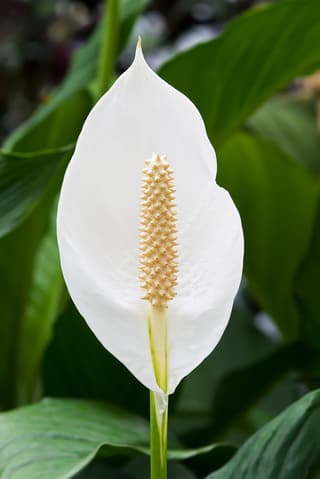
| Peace Lily | Easy | Low light | 4d | ⚠️ |
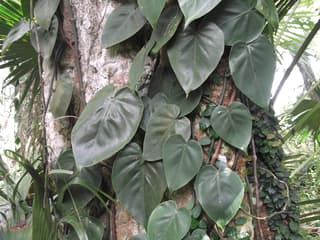
| Swiss Cheese Plant | Easy | Partial shade | 10d | ⚠️ |
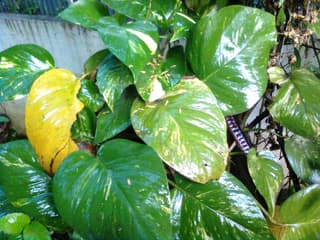
| Golden Pothos | Easy | Low light | 8d | ⚠️ |
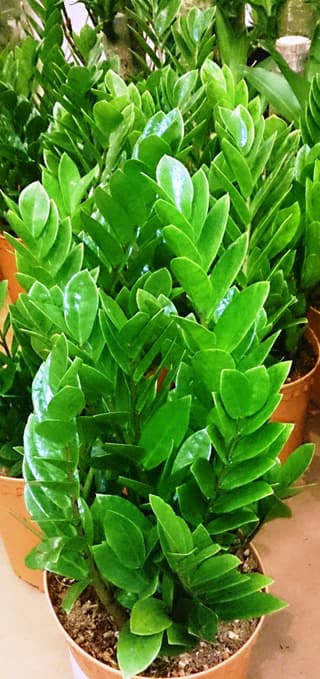
| ZZ Plant | Easy | Low light | 18d | ⚠️ |