Arecaceae
Bismarck Palm: Full Sun Plant
Bismarckia nobilis
Requires full sun and well-draining soil. Once established, it is extremely drought-tolerant and resistant to intense heat.
Every 14 days
Direct sun
-3° - 45°C
40% - 70%
Categories
What is Bismarck Palm?
Bismarck Palm (Bismarckia nobilis) is a hard-care plant from the Arecaceae family. Bismarckia nobilis, commonly known as the Bismarck Palm, is one of the most majestic and sculptural palms in the world. Native to Madagascar, it stands out for its massive fan-shaped leaves with a unique silvery-blue hue. It is a slow-to-moderate growing plant that becomes the focal point of any gar...
Bismarck Palm grows up to 18.0m, with spread of 490cm, watering every 14 days, -3°C – 45°C, 40–70% humidity. It is not suitable for indoor environments and safe for pets.
Unlike easy-care plants, Bismarck Palm demands constant attention to humidity and light. Not recommended for beginners. Unlike many popular species, Bismarck Palm is safe to keep around pets.
How to Care for Bismarck Palm?
TLDR: Bismarck Palm needs Direct sun, watering every 14 days, and temperatures between -3-45°C with 40-70% humidity.
How Often Should You Water Bismarck Palm?
Water young seedlings regularly. Mature plants are drought-tolerant but appreciate deep, occasional watering during prolonged dry spells.
How Much Light Does Bismarck Palm Need?
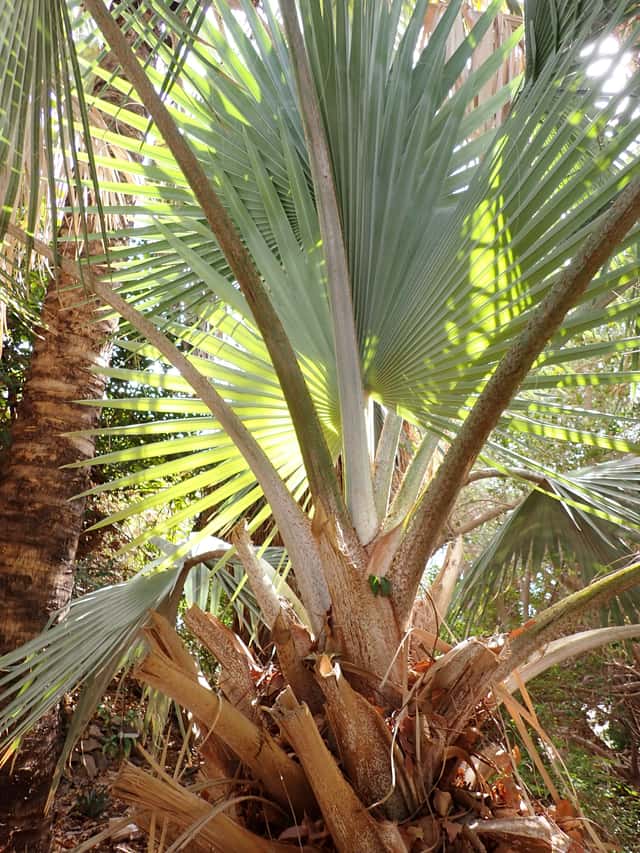
This palm requires full sun to develop its characteristic bluish color. In low-light conditions, the leaves tend to turn greener and the plant loses vigor.
What Is the Best Soil for Bismarck Palm?
Prefers sandy or slightly loamy soils, but drainage is the most critical factor. Avoid waterlogged soils.
What Pot Should You Use for Bismarck Palm?
Ideally planted directly in the ground. If kept in pots while young, use very large and deep containers to accommodate the sensitive roots.
Care Schedule
Fertilize
Every 90 days
What Is Bismarck Palm and Where Does It Come From?
Bismarckia nobilis, commonly known as the Bismarck Palm, is one of the most majestic and sculptural palms in the world. Native to Madagascar, it stands out for its massive fan-shaped leaves with a unique silvery-blue hue. It is a slow-to-moderate growing plant that becomes the focal point of any garden due to its imposing stature and dense foliage.
How to Propagate Bismarck Palm?
Seed Propagation
- Use bottom heat to speed up germination
- Avoid disturbing the roots during the first transplant
- Fresh seeds have a much higher success rate
- 1 Seed Cleaning
Completely remove the pulp from ripe fruits and wash the seeds under running water.
- 2 Scarification and Hydration
Soak the seeds in warm water for 48 to 72 hours, changing the water daily to soften the seed coat.
- 3 Sowing
Plant in deep pots with sandy substrate and keep in a warm (ideally 86°F/30°C) and humid location.
Materials needed:
How Big Does Bismarck Palm Grow?
TLDR: Bismarck Palm can reach up to 18.0m tall with Slow growth rate.
Max height
18.0m
Spread
4.9m
Growth rate
Slow
Foliage
Evergreen
Plant Uses
Ornamental
Great for decoration
Is your plant showing symptoms?
Click on the symptom to discover possible causes:
What Diseases Commonly Affect Bismarck Palm?
TLDR: Bismarck Palm is susceptible to 11 known diseases. Monitor regularly for early detection.
Root Rot
Root rot is a serious fungal disease that affects the root system of plants, causing them to decay and die. It is primarily caused by overwatering, poor drainage, or soil-borne fungi such as Pythium, Phytophthora, Rhizoctonia, and Fusarium. The disease thrives in waterlogged conditions where roots are deprived of oxygen, making them susceptible to fungal infection.
Leaf Spot
Leaf spot is a common fungal disease caused by various pathogens including Alternaria, Ascochyta, Colletotrichum, Septoria, and Venturia. It primarily affects leaves, causing discolored spots that can lead to premature leaf drop if left untreated.
Scale Insects
Scale insects are small sap-sucking pests that appear as brown, shell-like bumps on plant stems and leaves. There are over 25 species, divided into armored (hard) and unarmored (soft) scales. They feed by piercing plant tissue and extracting sap, which weakens the plant and can lead to yellowing, stunted growth, and even death if left untreated. They also excrete honeydew, which attracts ants and promotes sooty mold growth.
Overwatering
Overwatering occurs when plants receive too much water, depriving roots of oxygen and causing root rot. This environmental stress is one of the most common causes of houseplant death, as waterlogged soil prevents roots from breathing and functioning properly.
Meaning & Symbolism
Represents nobility, resilience, and protection.
Compare with similar plants
| Attribute | Difficulty | Light | Watering | Pet Safe |
|---|---|---|---|---|
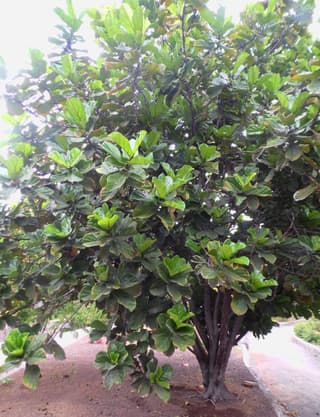
| Fiddle Leaf Fig | Hard | Bright indirect | 10d | ⚠️ |
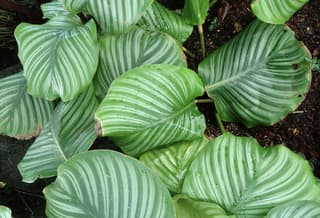
| Round-leaf Calathea | Hard | Partial shade | 7d | ✓ |
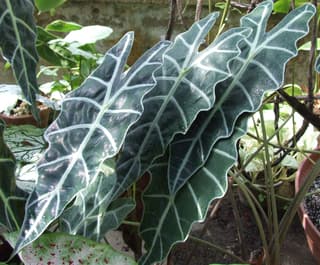
| African Mask Plant | Hard | Partial shade | 5d | ⚠️ |
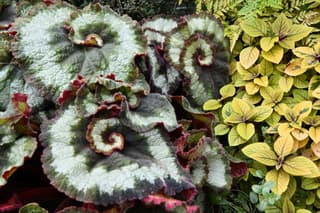
| Rex Begonia | Hard | Partial shade | 7d | ⚠️ |