Croton vs Rosemary
Complete comparison between Croton and Rosemary to help you choose the ideal plant.
Croton or Rosemary: Which to Choose?
Rosemary is easier to care for than Croton, winning 4 of 10 attributes. Croton needs watering every 6 days vs Rosemary every 10 days. Choose Rosemary for a low-maintenance option. Choose Croton if you prefer faster growth.
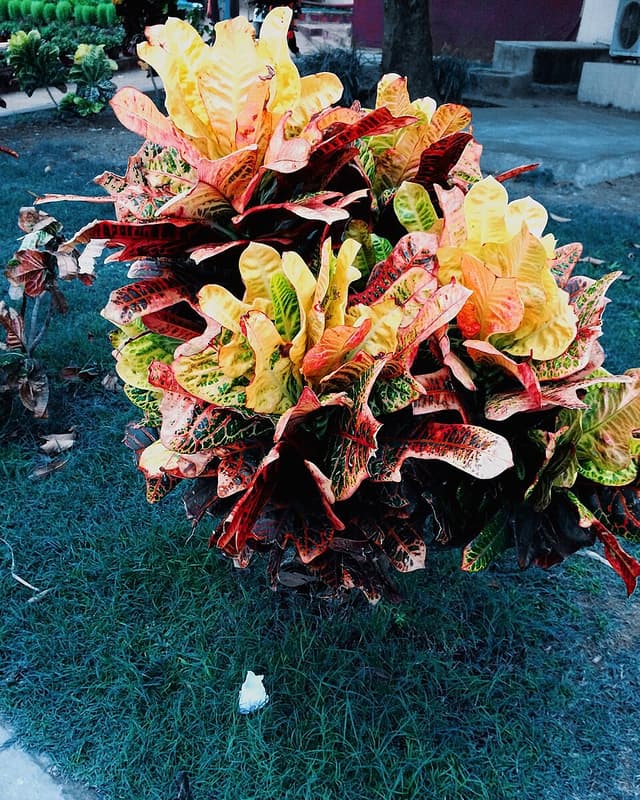
Croton
Croton variegatum
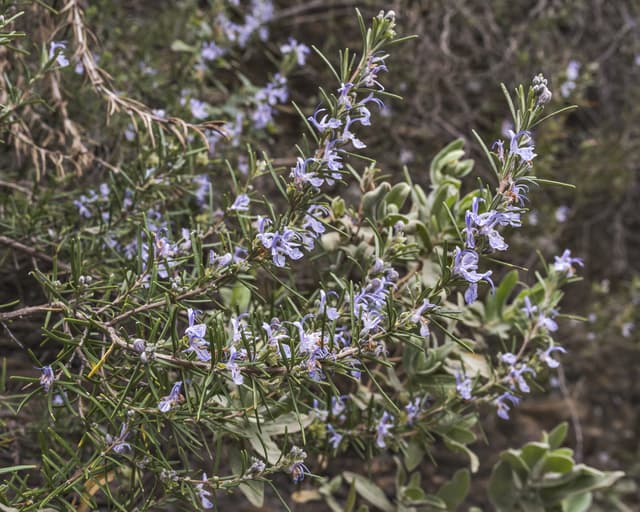
Rosemary
Salvia rosmarinus
Croton vs Rosemary: Which Is Easier to Care For?
| Attribute | Croton | Rosemary |
|---|---|---|
| Difficulty | Medium | Easy✓ |
| Light | Bright indirect | Direct sun |
| Watering | Every 6 days | Every 10 days✓ |
| Humidity | 40% - 60% | 20% - 50%✓ |
| Temperature | 15°C - 29°C | -6°C - 38°C |
| Height | 3.0m | 1.8m |
| Growth | Medium | Medium |
| Pet Safe | No | Yes✓ |
| Air Purifying | No | No |
| Indoor | Yes | Yes |
Should You Choose Croton or Rosemary?
Rosemary is the best choice for most people, especially beginners looking for a low-maintenance plant.
Compare Other Plants
What Other Plants Compare to These?







What Makes Croton a Good Choice?
Crotons require bright, indirect light to maintain their vibrant colors, consistent watering when the top inch of soil dries, high humidity (40-60%), and warm temperatures between 15-29°C. They are sensitive to cold drafts and sudden temperature changes, which can cause leaf drop.
View Croton page →What Makes Rosemary a Good Choice?
Rosemary thrives in full sun and well-drained soil. It is highly drought-tolerant once established and prefers to dry out between waterings.
View Rosemary page →